World Migratory Birds Day 2026
Admin
May 7, 2026
Every Bird Counts: Community Science, Habitat Quality, and the Future of Migratory Waterbirds
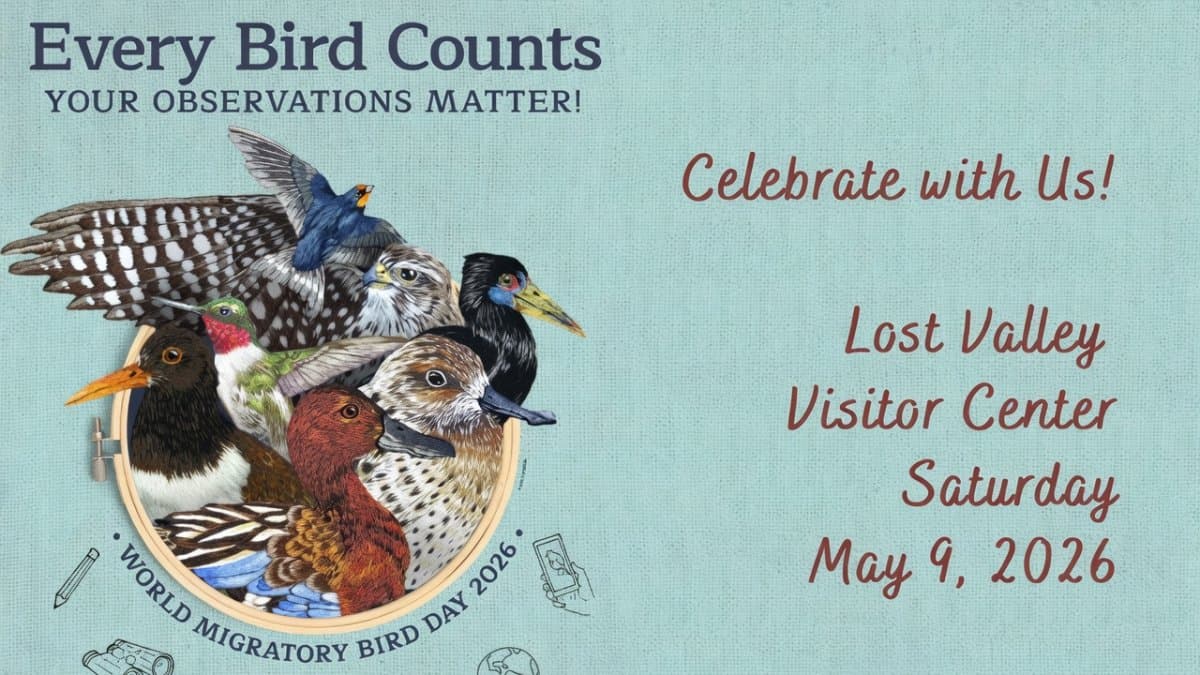
The theme for this year’s World Migratory Bird Day 2026, “Every Bird Counts, Your Observations Matter,” is a perfect encapsulation of the spirit of community science in avian conservation. Track migration patterns, population trends, habitat changes and inform evidence-based policy across flyways, from backyard sightings to systematic surveys.
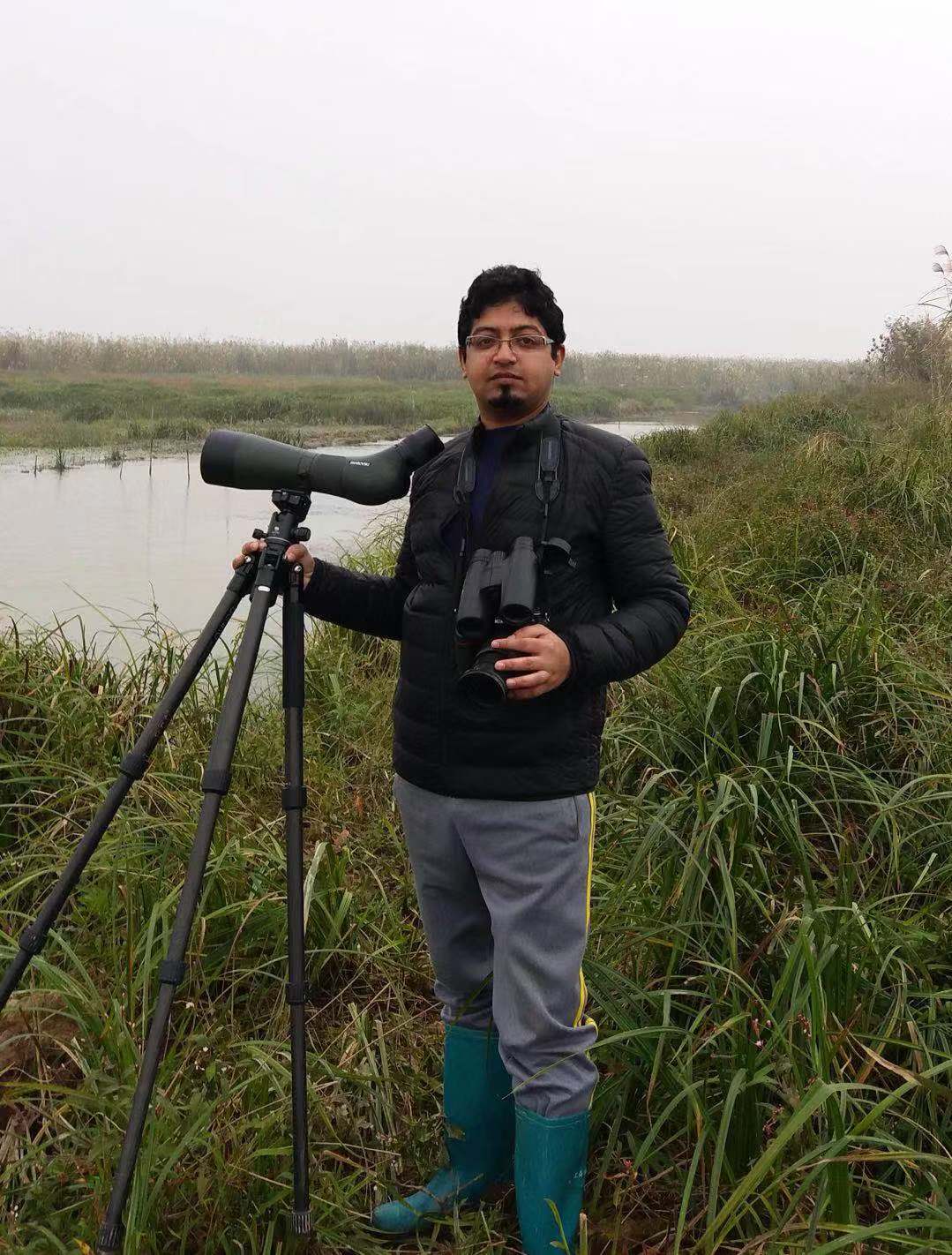
This theme really strikes a chord with me as I am very engaged in waterbird research. Participatory monitoring not only strengthens our connection to nature, but also builds the stewardship and international cooperation needed to protect birds that cross borders. This blog for the Society for Ecosystem Function Education brings together my experience of researching wintering waterbirds with the urgent conservation issues in Pakistan. I’ll explain why habitat quality, wildlife behaviors and community action are more important now than ever.
Understanding Habitat Quality Through a Social Lens
My article, “Habitat Quality and Social Behavioral Association Network in a Wintering Waterbirds Community” (https://doi.org/10.3390/su13116044), examined how hydrological management influences habitat suitability and species interactions at West Dongting Lake National Nature Reserve (WDLNNR), China—a critical site in the East Asian-Australasian Flyway.
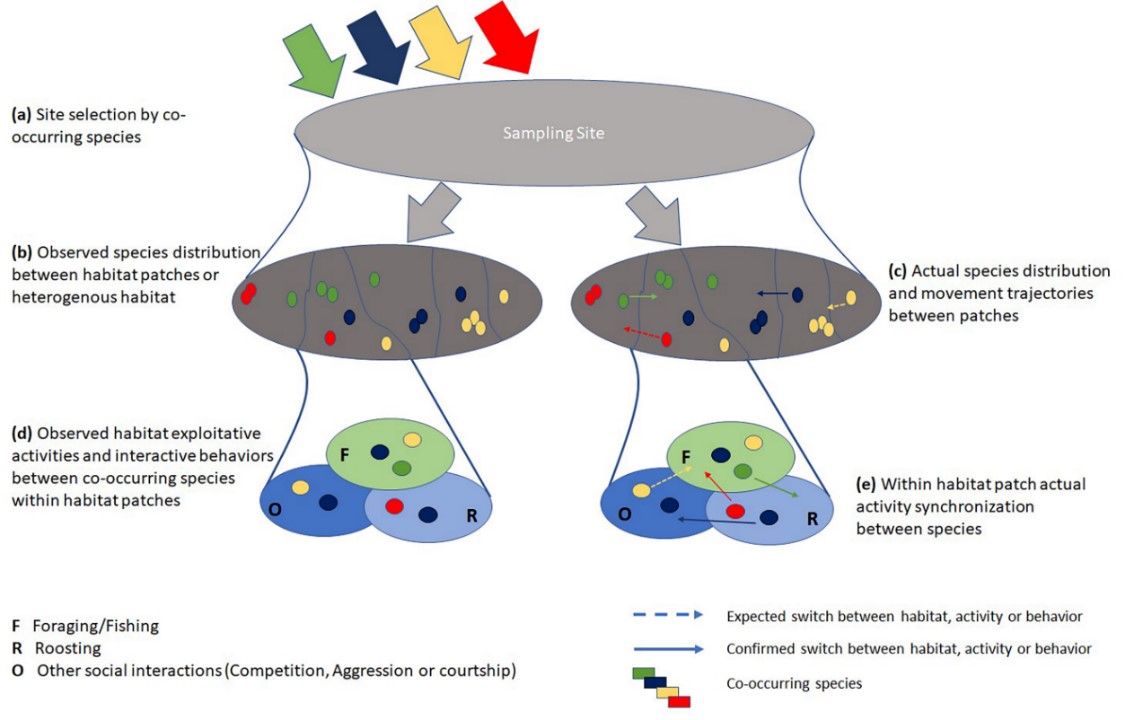
We used remote sensing (NDVI via Google Earth Engine and MODIS) to map habitats such as mudflats, shallow waters, grasslands and deep waters comparing managed (hydrologically controlled) and unmanaged sub-lakes. We then applied a Social Behavioral Association Network (SBAN) model, a tetrapartite approach combining habitat selection, overlap, species-habitat associations and behavioral interactions (foraging, roosting, aggression, competition).
Key findings were striking:
Managed lakes supported higher species richness and abundance. Mudflats in managed areas attracted all 14 study species, with shallow waters hosting massive flocks. Overall, managed sites showed significantly better habitat availability (p < 0.0001) and lower habitat transitions (p = 0.0113).
SBAN metrics revealed stronger community stability. ANOVA tests confirmed significant differences in network attributes between lakes (p = 0.0237) and habitats (p < 0.0001). Dominant species helped structure communities, while managed hydrology maintained mudflats and shallow waters—prime foraging and roosting zones—fostering more sympatric (co-existing) species in dynamic environments.
Social interactions matter. In mixed-species groups (MSGs), behaviors create non-trophic networks that indicate habitat quality. Keystone species and activity synchronization (measured via Species Interaction Preference - SIP and Behavior Interaction Preference - BIP) drive community persistence. High-quality habitats support richer, more connected networks.
These results demonstrate that proper hydrological management provides continuous, quality habitats even amid land-use changes and climate pressures.
The lesson is clear: ecosystem function depends on maintaining the right conditions for species to interact, forage, and rest successfully.
The Plight of Waterbirds in Pakistan
While my field research was in China, findings directly apply to Pakistan. In my article “The Plight of Waterbirds in Pakistan: Threats, Conservation, and Global Responsibilities” published in the Daily Destination in October 2024, I pointed out the immense challenges facing our wetlands and migratory species.
Pakistan is on major flyways, and also has important stopover and wintering sites such as Uchali Complex, Keenjhar Lake, Haleji Lake, Ras Koh Wildlife Sanctuary and the Indus Delta. These ecosystems support species such as ducks, geese, waders, Lesser Flamingos, Bar-headed Geese and Eurasian Spoonbills. But they find:
Habitat degradation from barrages, dams, agricultural runoff, industrial waste, and encroachment, which alter water flows, cause eutrophication, and reduce food availability.
Illegal hunting and unsustainable resource use, often driven by poverty and weak enforcement.
Climate change impacts: erratic rainfall, prolonged droughts, rising temperatures, and shifting migration patterns.
Pollution and weak governance: poor waste management, excessive fertilizers/pesticides, and insufficient integration of biodiversity goals into development plans.
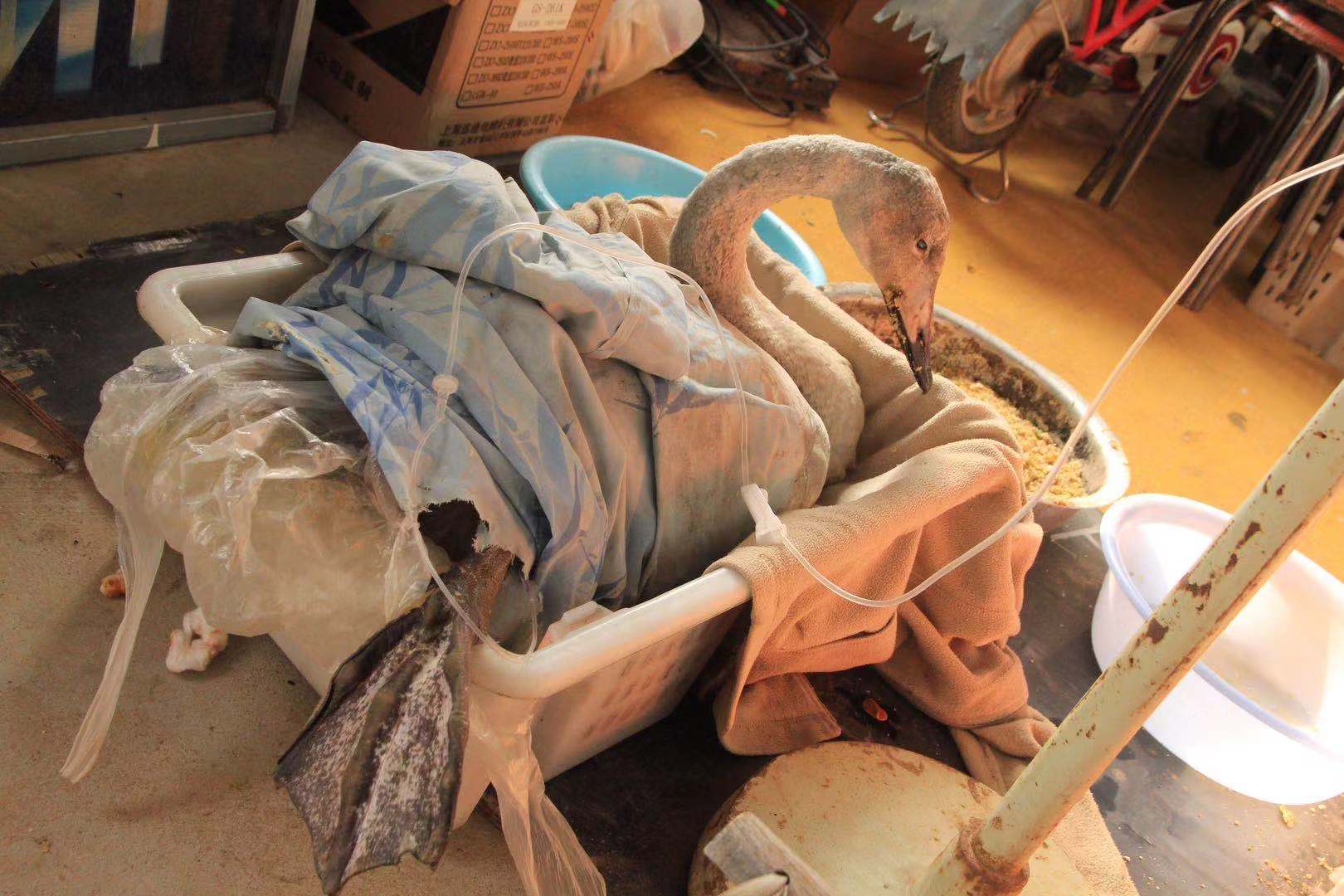
Despite commitments to the Ramsar Convention, CBD, CMS, AEWA, and the Paris Agreement, implementation lags due to funding shortages, coordination gaps, and limited technical capacity. Local communities, who depend on these wetlands, often lack viable alternatives, leading to continued pressure on resources.
Connecting Research to Action: Why Every Observation Matters
My work on SBAN is a case in point; it exemplifies a broader point: conservation success is not only about knowing where birds are, but also how they relate to their habitat and to each other. We need similar approaches in Pakistan that are based on science, i.e., mapping habitat quality, monitoring social behaviors in MSGs, and evaluating management interventions such as controlled hydrology or wetland restoration.
Community science is the connection. Under the theme of World Migratory Bird Day, every citizen scientist sighting helps:
Tracking population trends.
Identifying critical habitats needing protection.
Building evidence for policy (e.g., better water management in the Indus basin).
Fostering public stewardship that reduces illegal hunting and supports sustainable livelihoods.
Imagine nationwide participatory programs using simple apps or local networks to log observations, combined with camera traps, NDVI monitoring, and network analysis. This could reveal keystone habitats and species in Pakistani wetlands, much like at Dongting Lake.
International cooperation is equally vital. Pakistan has shown commitment through national strategies, but financial and technical support from wealthier nations—via “Green Technologies,” “Nature-Based Solutions,” and fulfillment of Paris pledges—is crucial. Precision farming, wetland restoration models, and cross-border flyway initiatives can reduce threats while building resilience.
A Call for Ecosystem Function Education and Collective Action
As educators and conservationists in the Society for Ecosystem Function Education, our role is to translate complex science—like SBAN metrics and habitat dynamics—into accessible knowledge that empowers communities, students, and policymakers.
We must advocate for:
Strengthened hydrological management and restoration of key wetlands.
Strict enforcement against illegal hunting and pollution.
Investment in community-based monitoring aligned with this year’s theme.
Integration of biodiversity into development, with genuine local participation.
Global partnerships that honor agreements and share best practices.
Every bird truly counts. A single observation can signal habitat decline or recovery. A stable social network in a high-quality wetland sustains entire communities. In Pakistan and across flyways, the future of migratory waterbirds depends on our collective ability to observe, understand, manage, and protect.
This World Migratory Bird Day, I urge readers to get involved—join a census, submit observations, support local wetland guardians, or simply spend time in nature and share what you see. Your data matters. Our actions today will determine whether future generations witness the spectacular journeys of these resilient travelers.
Let’s ensure every bird counts by making every observation and every management decision count.