Why Water Bugs Matter to Australia's Freshwater Ecosystems
Awais
June 13, 2026
Why Every Nature Lover Should Care About Water Bugs: Guardians of Australia's Freshwater Ecosystems
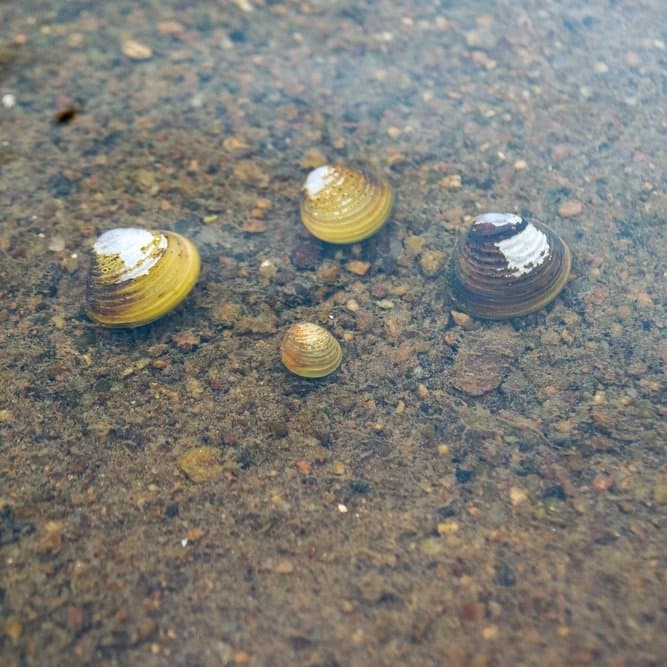
Flip a smooth stone in any Australian creek and chances are you'll disturb a tiny world most people never notice. These are water bugs — the worms, insects, crustaceans and other small creatures living in streams, rivers, ponds and wetlands across temperate Australia. Scientists call them macroinvertebrates, simply invertebrates big enough to spot without a microscope. They break down organic matter, filter water as they feed, and feed fish, frogs and birds in turn. Lose them, and the whole food web struggles.
What Are Macroinvertebrates?
If you're asking what are macroinvertebrates, picture nature's clean-up crew doubling as an early warning system. The group includes freshwater aquatic insects like mayflies, stoneflies and caddisflies, plus worms, snails and freshwater shrimp. Some live underwater their whole lives; others only as larvae before flying off as adults. What makes them so useful is how differently each species copes with pollution, low oxygen, sediment and heat. That variation is the whole point.
Why Water Bugs Matter
A creek doesn't need a lab test to show its health — its water bugs already do that job. Plenty of pollution-sensitive species usually means clean, oxygen-rich water. A handful of tough survivors and nothing else? That's often a sign of stress.
The SIGNAL Scoring System
One simple tool, the SIGNAL scoring system, grades each macroinvertebrate family by sensitivity and averages the scores from a sample. Higher numbers mean a healthier river. For decades this has let community groups check on local waterways with nothing more than a net, a tray and a bit of patience.
Threats to Water Bugs and Freshwater Ecosystems
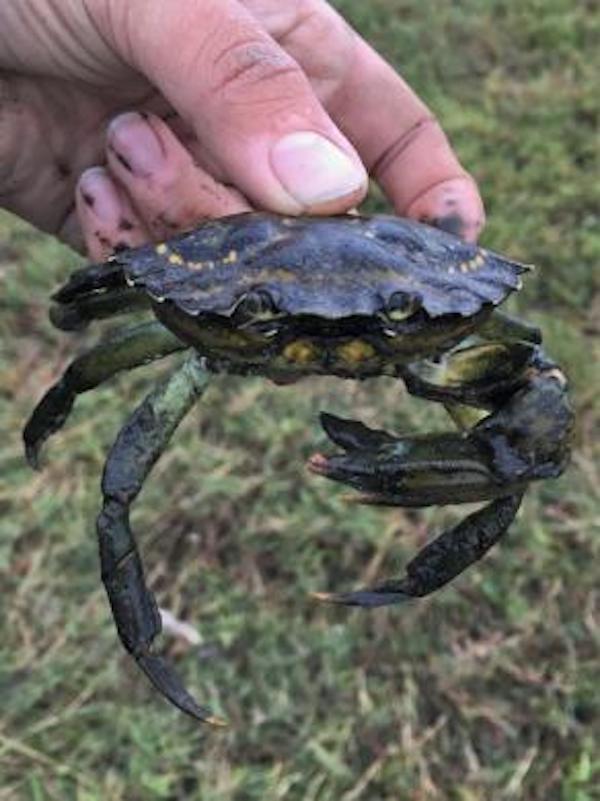
Urban growth brings sediment and chemical pollution that smothers sensitive habitat. In Victoria and New South Wales, farm runoff and drought made worse by climate change have hit sensitive species hard, especially in temporary wetlands where animals can't just move somewhere wetter. Introduced fish that prey heavily on macroinvertebrates don't help either, and old mining sites or intensive farms have left some catchments with heavy metals and excess nutrients — dead zones where only the toughest bugs survive.
Solutions That Work With Nature
Replanting native trees and shrubs along banks filters pollution and brings back shade and habitat. Constructed wetlands treat stormwater before it ever reaches a creek. In cities, rain gardens and permeable paving cut down on dirty runoff after storms. None of this is complicated — it just lets natural processes do the work.
Get Involved: Citizen Science
You don't need a science degree to help. Join a local Waterwatch group, grab a kick-net, disturb the streambed gently for about 30 seconds, then tip the catch into a white tray to see what you've found. Photograph it, note the habitat, and log your results on iNaturalist or your state's monitoring program — then return the animals and stones carefully.
Water bugs aren't glamorous, but few creatures tell you more about a waterway's health. Next time you're by a creek, flip a rock and look closely. What you find matters more than you'd think.
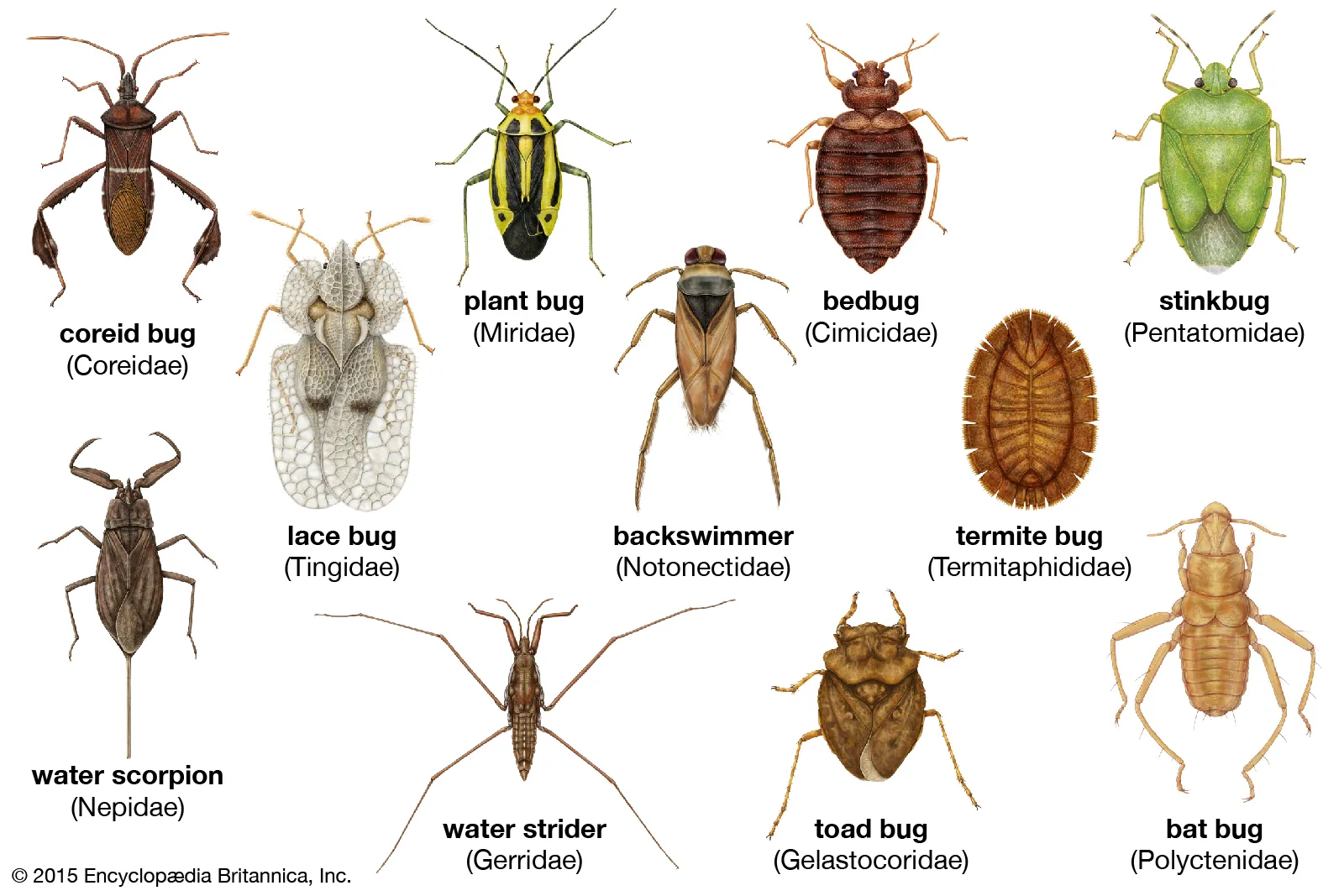
By connecting with these tiny creatures, we foster a deeper appreciation for healthy waterways. Next time you're by a creek, flip a rock (gently!) and marvel at the hidden world. Your observations matter.