Why Aquatic Microfauna Are the Invisible Foundation of Freshwater Ecosystems
Awais Rasool
May 15, 2026
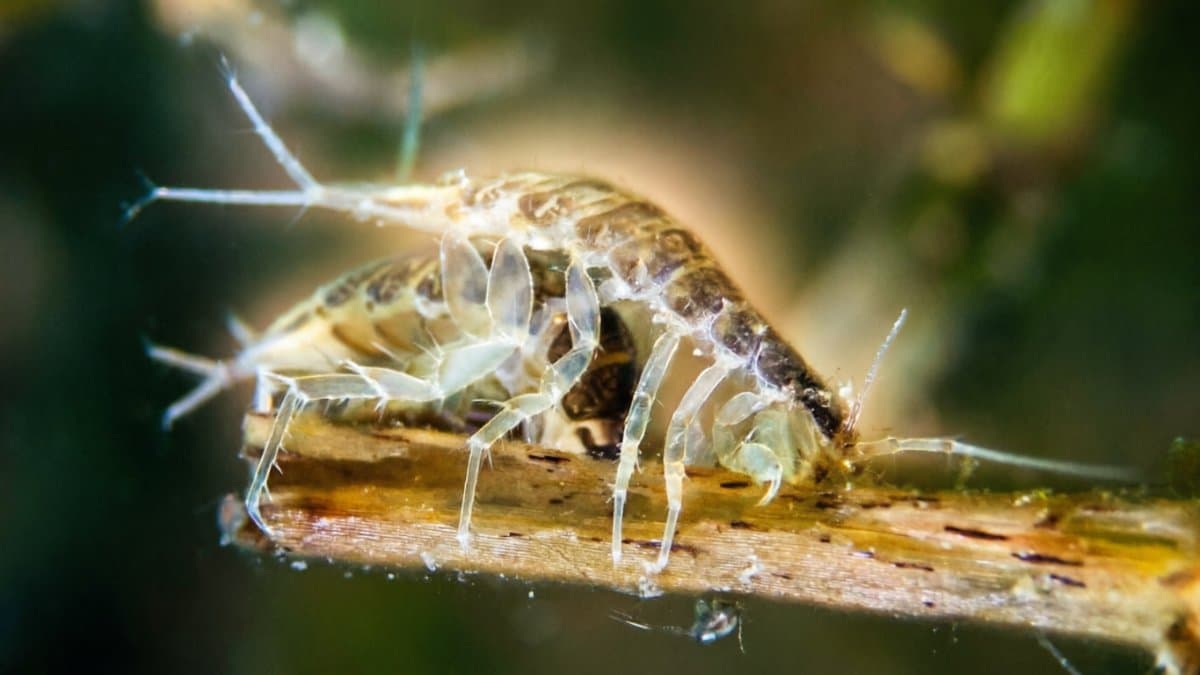
In freshwater ecology, the most important organisms are often the ones we cannot see with the naked eye. Aquatic microfauna — tiny invertebrates smaller than 2–3 mm — are the foundational pillars of lakes, wetlands, ponds, reservoirs, temporary waters, canals, and fish ponds.
These microscopic animals, mainly Rotifera (rotifers), Cladocera (water fleas like Daphnia), Copepoda (copepods), and Ostracoda (seed shrimps), act as the critical ecological bridge. They connect the base of the food web (bacteria, algae, protozoa, and detritus) to macroinvertebrates, fish, frogs, and birds.
As highlighted by Dr. Robert Walsh, an aquatic micro-invertebrate ecologist:
“The aquatic microfauna are arguably the most important link in the aquatic food web. As a group, they link all the components in the aquatic food web together.”
Without these tiny creatures, most freshwater ecosystems would collapse quickly.
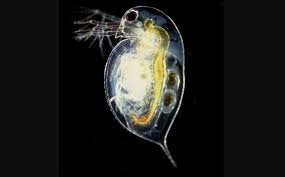
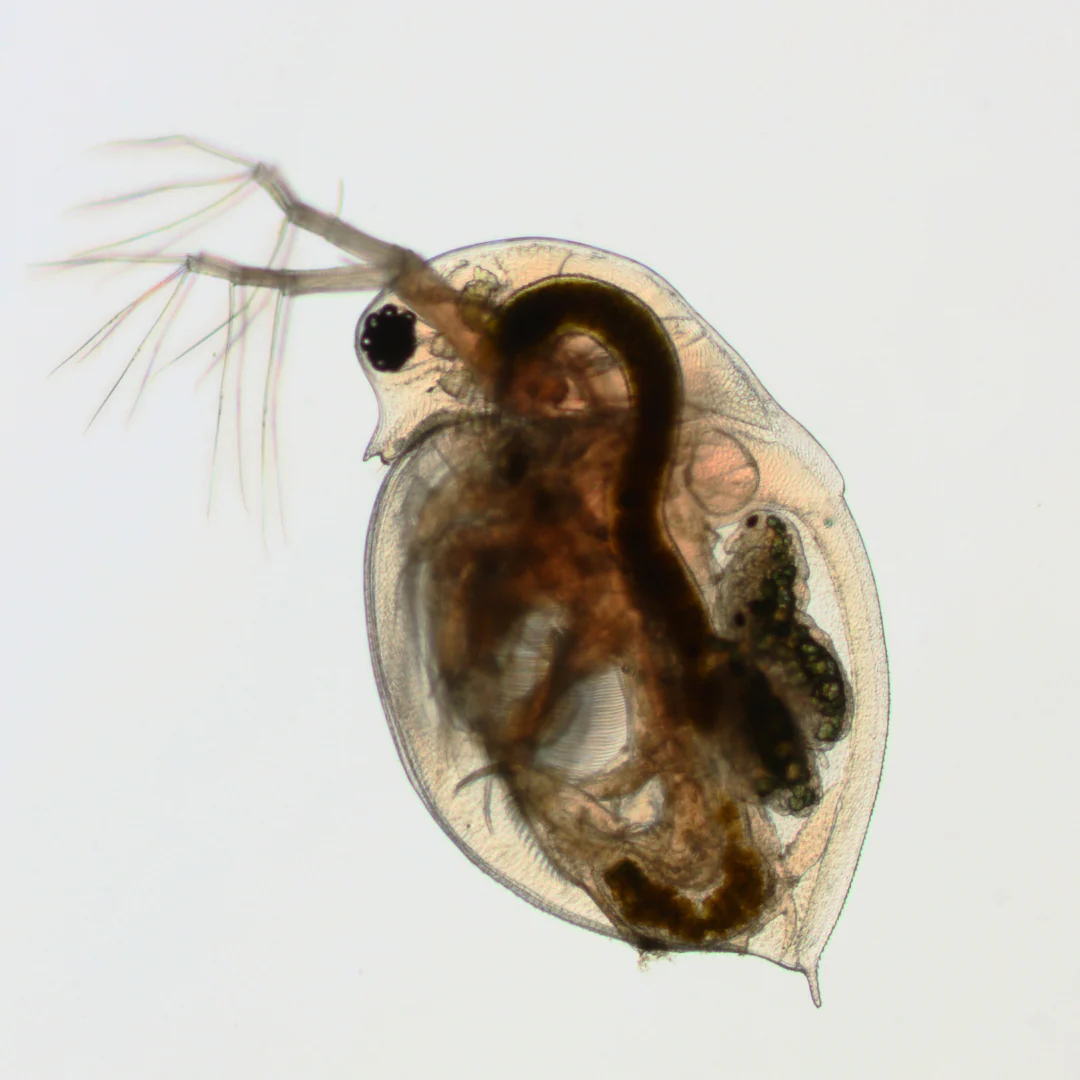
Image of a Daphnia (water flea) carrying eggs — a classic representative of Cladocera.
The Four Major Groups of Aquatic Microfauna
1. Rotifers
The most abundant multicellular organisms in freshwater. They have extremely short life cycles (3–5 days) and can reach densities of 500,000 individuals per litre in nutrient-rich waters. Excellent grazers of bacteria and small algae.
2. Cladocerans (Water Fleas)
Powerful filter-feeders. Species such as Daphnia, Ceriodaphnia, and Moina can filter thousands of algal and bacterial cells per day. They play a major role in maintaining water clarity.
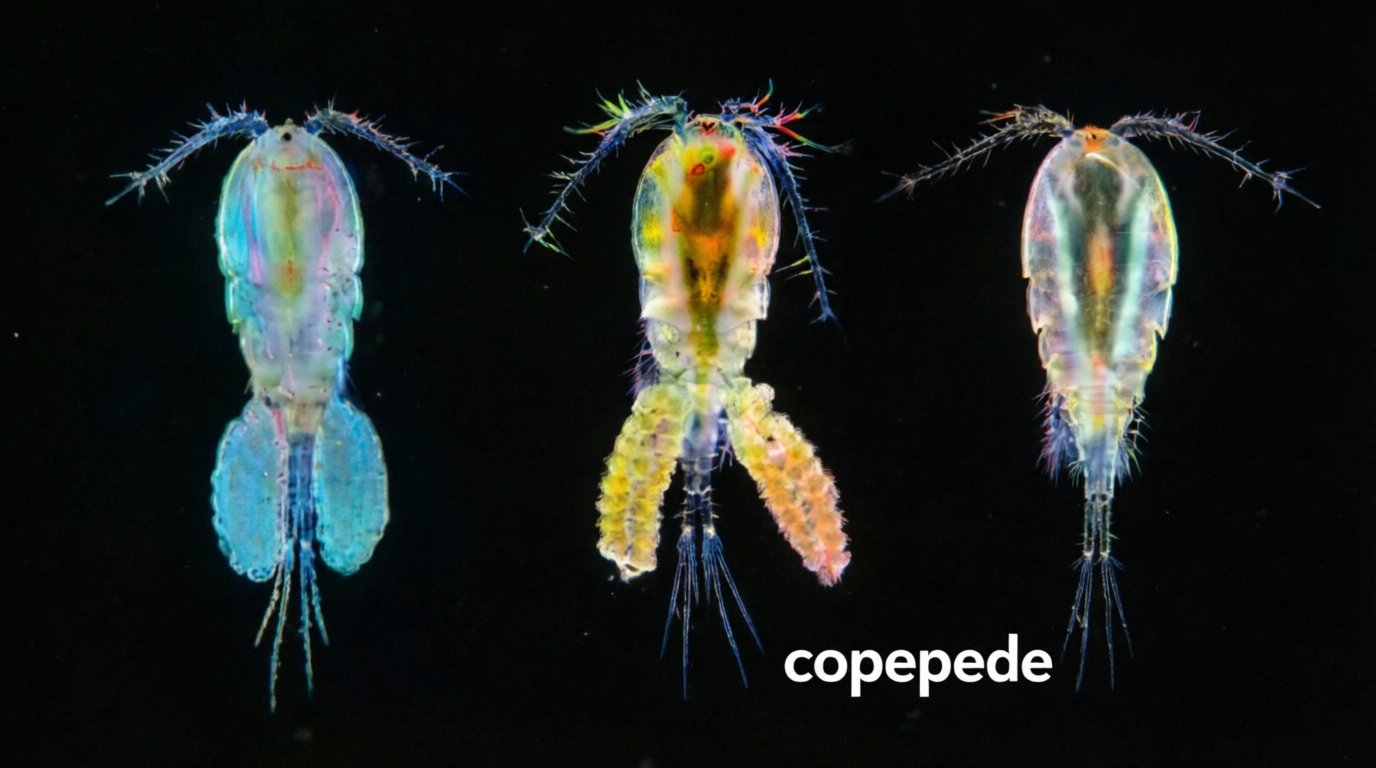
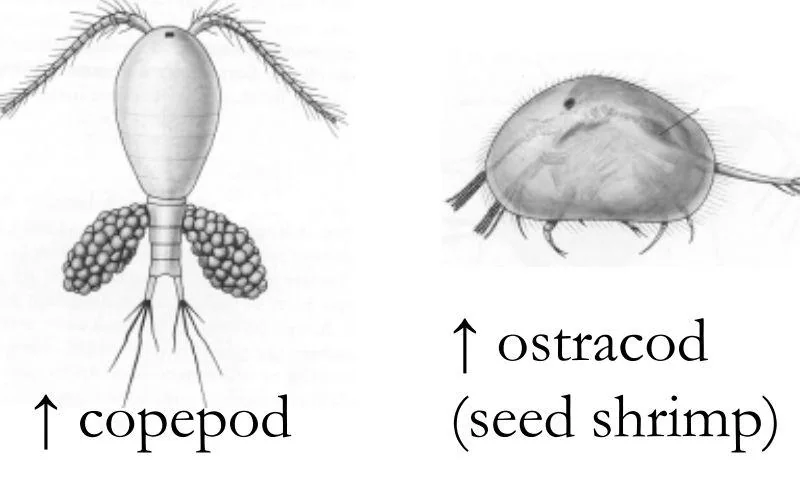
3. Copepods
Highly diverse group with herbivorous, omnivorous, and predatory species. Larger cyclopoids prey on mosquito larvae and even fish fry. They are one of the most common micro-invertebrates after rotifers.
4. Ostracods (Seed Shrimps)
Benthic animals enclosed in a bivalved shell. Some species are predatory and have been recorded consuming frog eggs with up to 90% mortality rates.
Why Microfauna Are So Important
Food Web Connectors: They convert bacteria, phytoplankton, and detritus into usable animal protein for higher organisms.
Grazers & Bloom Controllers: By consuming massive amounts of algae and bacteria, they help prevent harmful algal blooms and maintain water clarity.
Nutrient Cyclers: They link decomposition pathways and the bacterial cycle.
Bioindicators: Due to short generation times and sensitivity to pollution, they respond rapidly to changes in water quality.
Support for Fisheries & Biodiversity: Essential food for fish larvae, juvenile fish, and waterbirds.
In short:
No Aquatic Microfauna = No Fish = Collapsing Ecosystem
Relevance to Pakistan & Global Contexts
In Pakistan’s Indus River basin, canal systems, fish ponds, and temporary waters, microfauna face increasing pressure from pesticides, fertilizer runoff, and altered hydrology. Your student’s thesis showing absence of microfauna in some river/canal systems highlights a growing concern that needs urgent attention.
Similar patterns are seen worldwide. In Australia and many other countries, microfauna are still under-monitored compared to macroinvertebrates, despite their greater importance in standing waters.
Conclusion
Aquatic microfauna may be invisible, but their contribution to ecosystem function is enormous. They are nature’s water purifiers, food providers, and early warning systems. Protecting them means protecting entire freshwater ecosystems, fisheries, and water security.
Highly Recommended Resource:
The detailed guides, photographs, and ecological insights of Dr. Robert Walsh at www.australianwaterlife.com.au are excellent for anyone studying or working on freshwater systems.