When the Crocodile Stepped Aside: How Lacoste Turned a Logo into a Conservation Message
Swera Batool
September 21, 2026
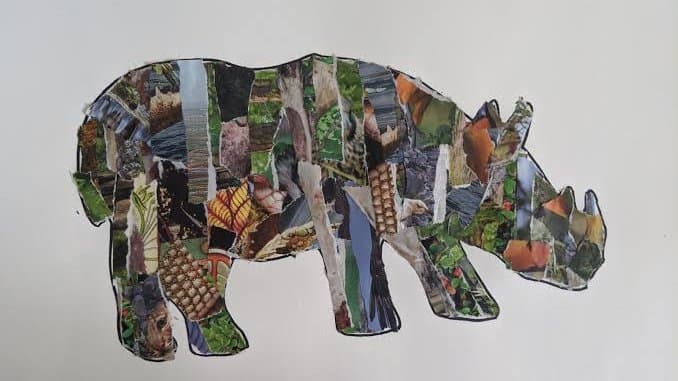
A familiar symbol can be so recognisable that people no longer recognise it. For decades the crocodile stitched onto a Lacoste polo shirt has been one of fashion’s most recognisable animal logos. But in 2018 something unusual happened: the crocodile shifted out of the way temporarily. Instead, the shirt bore animals that many people had never seen depicted before - species with an uncertain future in the wild.
It was more than a change in the fashion design. It was an attempt to take a well-known symbol of the world and direct attention to a relatively unknown problem: species threatened with extinction.
When a Famous Logo Made Space for Wildlife
Lacoste teamed up with the International Union for Conservation of Nature’s Save Our Species program in 2018. As part of the campaign, the brand produced ten limited edition polo designs that featured endangered species rather than its traditional crocodile logo. The campaign started during Paris Fashion Week. It was not merely the animals selected that were unusual. The number of shirts made per species was equal to the estimated number of individuals of that species remaining in the wild. That turned a simple clothing number into something much more meaningful. The shirts were not just limited numbers, they were not just a limited edition collection. It was some indication of how few of certain species still lived.
But now rarity was no longer a marketing concept. It became a conservation-message
Ten Species, Ten Stories
The 2018 campaign shone a spotlight on ten endangered species, such as the vaquita, Javan rhinoceros, Sumatran tiger, California condor, kakapo, saola and Burmese roofed turtle.
These animals are very different from each other. Some are mammals some are birds and some are reptiles. They occur in different parts of the world and have different conservation problems.
But they had one thing in common, they all needed attention and conservation action to survive.
So the campaign did one thing that pictures, scientific reports and population estimates sometimes don’t bring unfamiliar species into the visual world of people’s everyday lives.
Someone who may never bother to look up information on a saola or vaquita might suddenly see one on a shirt.
And that begs a question:

Why is that animal there?
Sometimes awareness starts small, with curiosity.
The Power of a Symbol
Wildlife conservation depends on scientific research, habitat protection, legislation, funding and action on the ground. “But people often have to know that a species exists before they care about it.” That’s where the communication comes in. The Lacoste campaign took something that people knew, the crocodile logo, and used it to introduce species that they knew much less well. The campaign didn't just add another conservation message next to the brand, it temporarily changed the brand’s most recognisable symbol. The contrast itself told the story. The crocodile was gone. Another species was. That little visual change alone was enough to invite a second look.
When Numbers Become Visible
Figures about conservation can often seem a long way away. We may read that a species has a small population left, but a number on a page can be hard to imagine. That idea was what the Lacoste campaign tried to make real. The limited number of shirts assigned to each species represented an estimate of the number of individuals remaining in the wild. Instead of simply saying a species was rare, the campaign associated rarity with something that people could see with their own eyes. A shirt might stand for a species. Its remaining wild population could be a number of shirts. And a missing crocodile could be viewed as creating room for wildlife that desperately needed some attention.
From Attention to Conservation
But awareness alone does not save a species. Even an endangered animal needs appropriate habitat, protection from threats, scientific monitoring and long-term conservation efforts. That is why the partnership was more than just unusual clothing. “The wider collaboration was about raising awareness while supporting conservation action,” said IUCN Save Our Species. The 2018 campaign was followed by opportunities to support projects focused on species spotlighted through the initiative. In 2019, the collaboration continued with a further ten threatened species. Again Lacoste replaced its crocodile badge with animal symbols and the profits from the campaign went to IUCN conservation work. That’s an important distinction.
A conservation message is more meaningful when attention can lead to action.

What Can a Logo Teach Us About Conservation?
The shirts themselves may not be the most interesting element of this narrative. That is the idea behind them. Conservation is not just national parks, research laboratories or wildlife departments. It is important to have the public understand too. We receive environmental messages through television, social media, photographs, advertising, education and even fashion.
A familiar object can be a surprising window onto an unfamiliar conservation problem.
One way to do this, as shown by the Lacoste campaign, is to take a symbol that millions of people already know and use it to introduce species that desperately need to be recognized.
Because an animal cannot tell people to notice that it is missing.
Humans have to notice it first.
Beyond the Logo
There’s something powerful about seeing an endangered species where you’d expect to see a crocodile. For a moment we are arrested by the absence of the familiar symbol.
And maybe that’s the larger lesson. Wildlife conservation is more than simply saving individual animals. It’s also about spreading the word about the species that live with us on this planet and helping those species stay a part of the natural world. And at last the crocodile came back to its old home. But for a moment other creatures filled that space and told their story.
Sometimes giving wildlife a voice is simply not about a complicated message.
Sometimes it’s just about making space for them to be seen.