What Is Biodiversity and Why Does It Matter for Ecosystem Function?
Dr. M. Awais Rasool
May 9, 2026
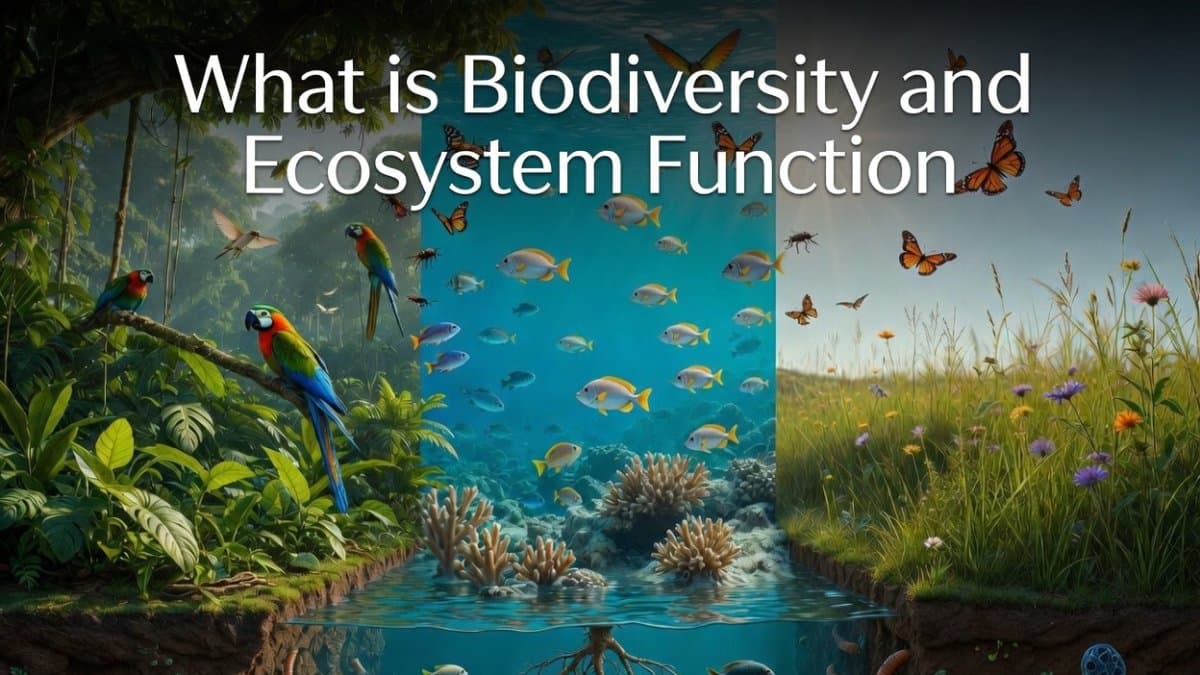
What Is Biodiversity and Why Does It Matter for Ecosystem Function?
A teaspoon of healthy soil can contain more living organisms than the number of humans on the planet, and a tropical rainforest can contain thousands of species living in complex interrelationships. But biodiversity is more than just a number of species – it is the engine that drives ecosystem function, providing the clean air, water, food and climate stability that we depend on day-to-day. In simple words "Biodiversity is the basis of life on Earth".
In this article we look at what biodiversity actually means, the different levels it exists at and how it drives essential ecosystem processes. Whether you are a student, gardener, policymaker or a person who simply loves nature, understanding this relationship is key to effective conservation in a changing world.
What Is Biodiversity? Breaking Down the Types
Biodiversity, short for biological diversity, is the variety of life on Earth at all levels. It is “the variability among living organisms from all sources including terrestrial, marine and other aquatic ecosystems and ecological complexes of which they are part” as defined by the Convention on Biological Diversity. This includes diversity within and between species, and of ecosystems.
Scientists generally differentiate three principal levels of biodiversity:
1. Diversity of Genes
This is the genetic variation within a species or population It determines how well a species can adapt to changes such as climate change, new predators or behaviours and diseases.
Example: Different salmon populations in the Pacific Northwest have genetic variations that allow some to survive warmer waters or specific parasites. on the other hand, low genetic diversity (e.g., in cheetahs or certain crops) makes populations vulnerable to extinction events.
2. Species Diversity
This measures the number of different species (richness) and their relative abundance (evenness) in an area. A rainforest has high species diversity; a monoculture cornfield, a mongo orchard or even a pure forest have very low.
Example: The Amazon might host over 10,000 tree species, while an intensive farm may rely on just one or two.
3. Ecosystem Diversity
This refers to the variety of habitats, communities, and ecological processes in a region—from coral reefs and wetlands to grasslands and forests.
US Examples: The Everglades (unique wetland system), old-growth forests of the Pacific Northwest, tallgrass prairies in the Midwest, and alpine ecosystems in the Rockies.
These levels are interconnected. Loss at one level (e.g., genetic) eventually affects others (species and ecosystem).
What Is Ecosystem Function?
Ecosystem function (or ecosystem functioning) refers to the processes and flows that occur within an ecosystem. These include:
Primary production: Converting sunlight into biomass via photosynthesis.
Nutrient cycling: Movement of carbon, nitrogen, phosphorus, and other elements.
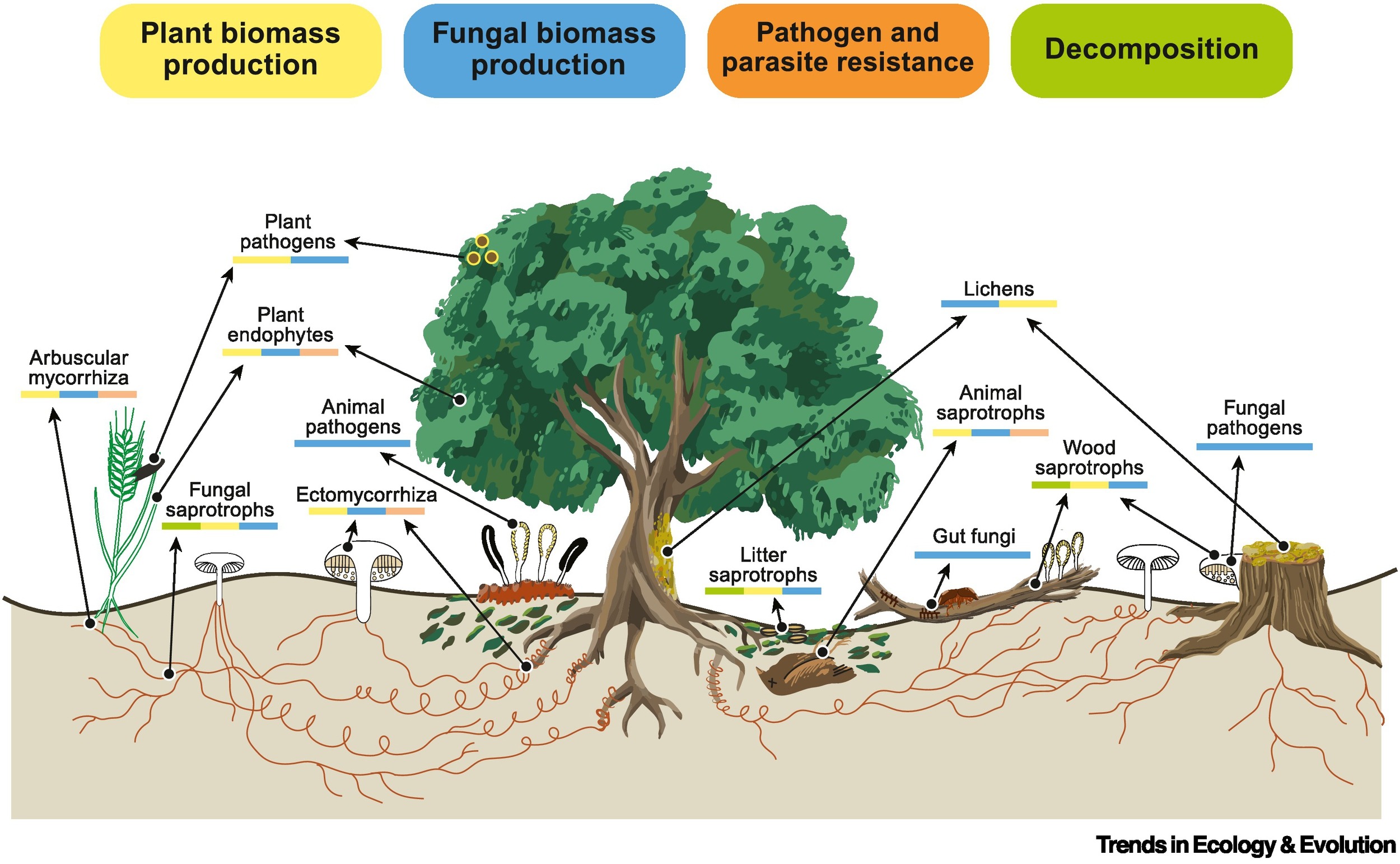
Decomposition: Breaking down organic matter and recycling nutrients.
Water regulation and purification.
Pollination and seed dispersal.
Climate regulation (e.g., carbon storage).
Soil formation and erosion control.
Ecosystem structure (the physical components and species present) enables these functions. Healthy, functioning ecosystems provide ecosystem services that sustain human life.
How Biodiversity Drives Ecosystem Function: The Science of BEF
Decades of research have revealed a generally positive relationship between biodiversity and ecosystem functioning (often called BEF research). More diversity tends to make things more productive, stable and resilient.”
Key processes
Complementarity : Different species use resources in complementary ways (eg one plant has deep roots, another shallow roots; one fixes nitrogen, another uses nitrogen). This results in more efficient use of resources and higher productivity overall.
Facilitation: One species increases the success of another (e.g., nurse plants shading or nitrogen fixers enriching the soil).
Redundancy and the Insurance Hypothesis Multiple species may provide similar functions. If they turn down work because of drought or disease, others “step in” and keep the function going. This provides a biological insurance policy against environmental variation.
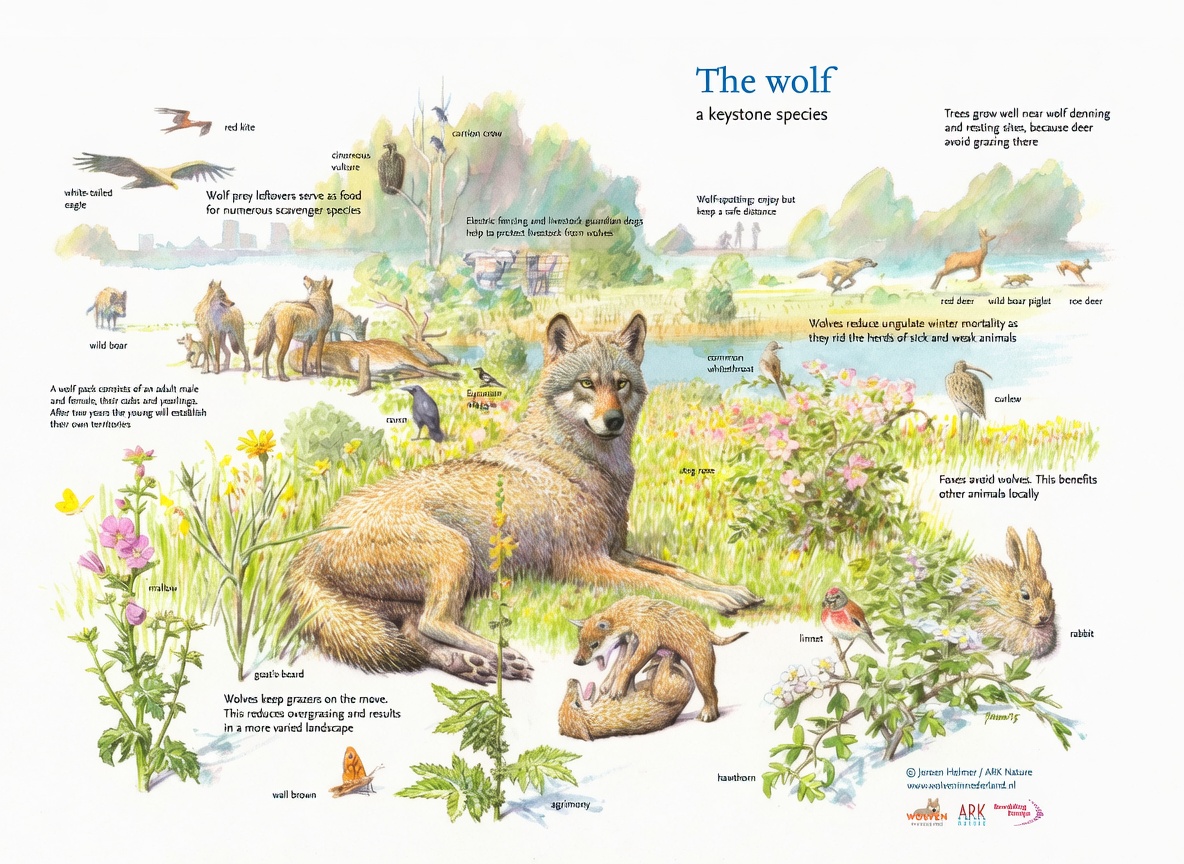
Selection Effect / Keystone Species: Some species have outsized impacts. Even if not the most abundant, their presence or absence dramatically affects the ecosystem.
Classic Experiments:
Cedar Creek Ecosystem Science Reserve (Minnesota, USA): Long-term plots showed more diverse grasslands are more productive and recover better from disturbances.
Jena Experiment (Germany): Over 15+ years, higher plant diversity improved nutrient cycling, carbon storage, and resistance to invasion.
Real-World Evidence and Examples
Forests: Diverse tree communities store more carbon and resist pests/drought better than monocultures.
Grasslands: Higher plant diversity increases biomass production and soil carbon.
Marine Systems: Coral reef diversity supports fisheries and coastal protection.
Agriculture: Polycultures and agroforestry outperform monocultures in resilience and long-term yields.
Keystone Species Examples:
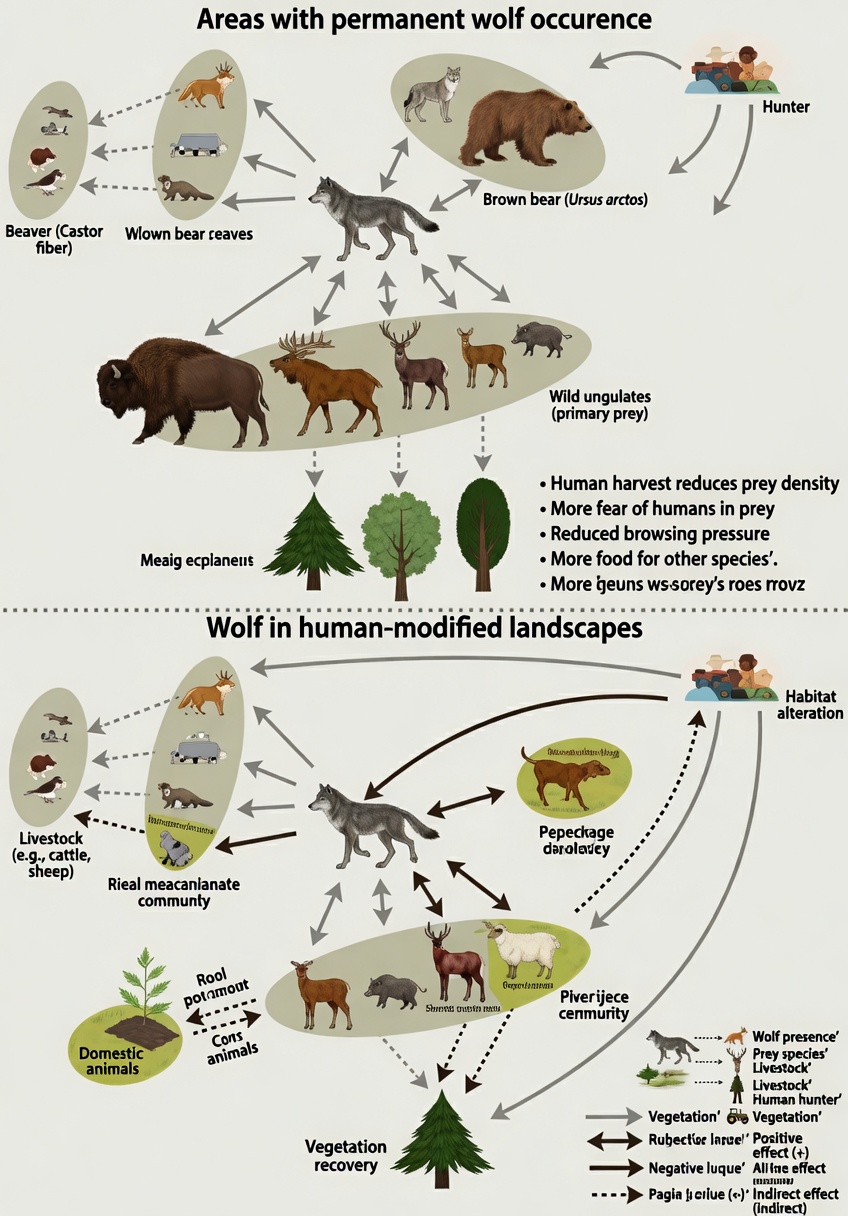
Gray wolves in Yellowstone: Their reintroduction reduced elk overgrazing, allowed vegetation recovery, stabilized rivers, and benefited many other species (trophic cascade).
Sea otters: Control sea urchin populations, preventing kelp forest collapse.
Why Biodiversity Loss Threatens Ecosystem Function
Biodiversity is falling fast. Around the world, some 1 million species are threatened with extinction. In the US, more than 1,600 species have been designated threatened or endangered, and studies indicate that thousands more may require protection. Habitat loss, climate change, invasive species, pollution and overexploitation are the main drivers.
Effects of loss include:
Reduced productivity and nutrient cycling
Decreased resistance to disturbances (fires, floods, diseases).
Less carbon sequestration = quicker climate change.
Impacts on food security (e.g. loss of pollinators)
Greater susceptibility to invasive species and disease outbreaks.
Simplified systems, such as large monocultures, are more likely to collapse.
Practical and Broader Implications
Biodiversity supports trillions of dollars in ecosystem services annually—clean water, flood control, medicines, and recreation. For individuals:
Plant native species in your garden.
Support pollinator-friendly practices.
Reduce consumption of products driving deforestation.
Advocate for protected areas and sustainable policies.
Conclusion
Biodiversity is not a luxury. It is the operating system of life on Earth. It increases productivity, provides insurance against change, and preserves the ecosystem functions that keep our planet habitable. One of the smartest things we can do for future generations is invest in protection and restoration of diversity.
Society for Ecosystem Function Education is joining in celebrating International Day for Biodiversity on 22nd May this year.
Start small: Educate yourself on local ecosystems, choose native plants, or support conservation organizations. Every bit helps.