What Do Parrotfish Eat? Complete Guide to Their Coral & Algae Diet
aiman
September 8, 2026
What Do Parrotfish Eat? A Complete Guide to Their Diet and Feeding Habits
Parrotfish have fascinated marine biologists and ocean enthusiasts for centuries, but one question stands out above the rest: what do parrotfish eat? The answer is more surprising and complex than you might expect. While many people assume parrotfish are simple herbivores, the truth reveals an extraordinary feeding strategy that makes these colorful fish essential architects of coral reef ecosystems.
If you've ever walked along a tropical beach and admired the soft white sand between your toes, you may have been literally walking on parrotfish poop. This remarkable fact alone demonstrates why understanding parrotfish diet matters—not just for curiosity, but for understanding how reefs function and why these fish deserve our protection.
In this guide, we'll explore exactly what parrotfish eat, how they manage this unusual diet, what eats parrotfish, and whether humans should consider parrotfish a food source.
What Do Parrot Fish Eat: The Basics
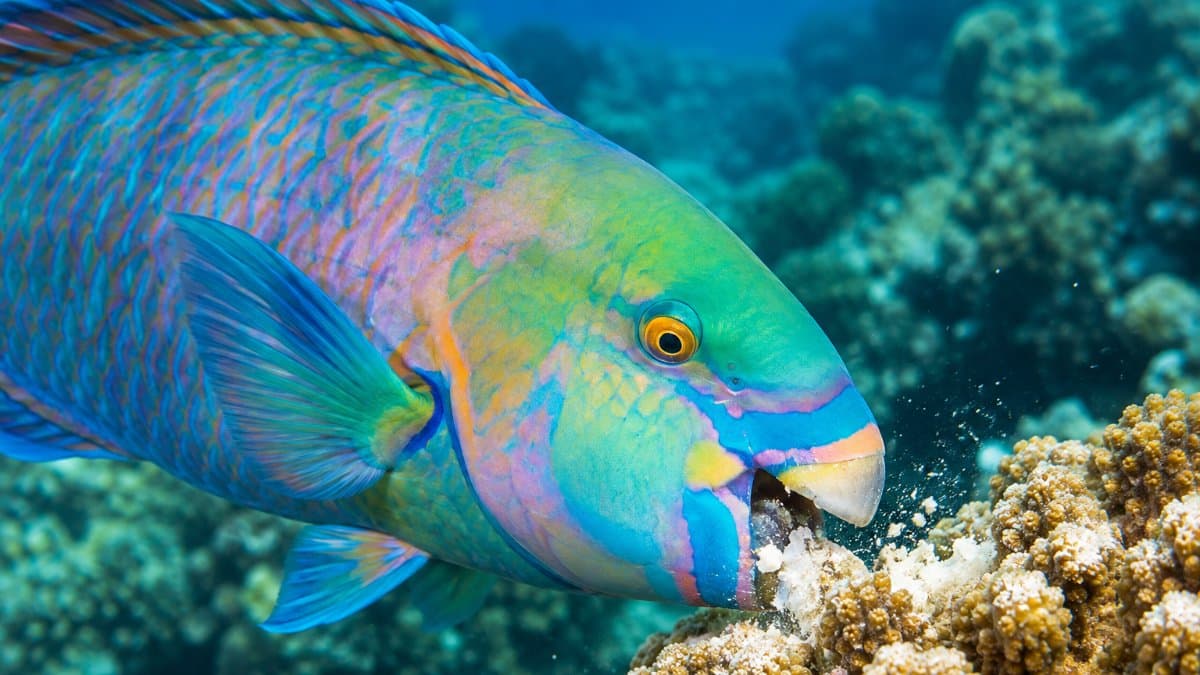
What do parrotfish actually eat? The primary diet of parrotfish centers on coral—but specifically, they consume the tissue coating the coral skeleton, not the rock-hard skeleton itself. This is an important distinction because it changes how we understand their feeding behavior.
Parrotfish are primarily herbivorous grazers that feed on the algae, zooxanthellae (symbiotic algae living inside coral tissue), and small organisms found on reef surfaces. Their diet varies depending on species and food availability, but generally includes:
Coral polyps and tissue - The soft parts of corals that contain valuable nutrition
Algae - A major component, especially for species that feed in shallow reef areas
Seaweed - Various types consumed depending on availability
Reef organisms - Small invertebrates and organisms living in reef crevices
Detritus - Organic matter and decaying reef material
This omnivorous grazing strategy means parrotfish serve multiple ecological functions simultaneously. They're not simply eating; they're actively managing reef health.
Why Parrotfish Eat Coral
The question isn't just what do parrotfish bite, but why they bite coral at all. The answer lies in nutrition and opportunity. Coral tissue contains valuable proteins, fats, and other nutrients that sustain parrotfish. Additionally, the zooxanthellae living within coral cells provide important dietary elements that parrotfish have adapted to exploit.
The relationship is more nuanced than simple predation. Some parrotfish species practice "farming"—they deliberately graze algae from reef surfaces to prevent algae from outcompeting corals. This behavior, though not intentional conservation, creates a beneficial outcome for reef ecosystems.
Algae and Plant Material
While many people focus on parrotfish eating coral, algae actually represents a substantial portion of their diet for many species. Parrotfish that inhabit shallow reefs with abundant macroalgae spend considerable time grazing on seaweed and other plant material. This herbivorous feeding is crucial for reef health because unchecked algae growth can smother corals and prevent coral larvae from settling and establishing new colonies.
The interplay between what do parrot fishes eat—coral, algae, or both—determines their specific ecological role. Species with stronger herbivorous tendencies provide more benefit to algae-stressed reefs, while those favoring coral feeding have different ecosystem impacts.
How Parrotfish Bite and Feed
Understanding the mechanics of parrotfish feeding requires appreciating one of the ocean's most specialized feeding structures. Parrotfish possess a unique anatomical adaptation that allows them to consume material most other fish cannot access.
Parrotfish have two distinct sets of teeth working together in remarkable coordination. The front teeth form a beak-like structure (pharyngeal teeth) that allows them to scrape and bite. The second set of teeth, located deep in their throat, consists of hard, grinding plates (pharyngeal jaws) that crush and process food into smaller particles.
This dual-tooth system is essential for understanding what parrotfish bite through—and why they're so efficient at it.
The Parrotfish Bite Force
The biting power of parrotfish deserves special attention. These fish can generate extraordinary force relative to their body size, allowing them to fracture solid coral branches and chunks of reef. A large parrotfish can bite through coral with the same efficiency that humans might bite through an apple.
The force comes not just from tooth strength but from massive jaw muscles and specialized bone structure. When parrotfish bite, they're not tentatively nibbling—they're taking substantial chunks of reef material. This single feeding behavior significantly shapes reef architecture and structure.
Digestion and Sand Production
Here's where parrotfish feeding becomes truly remarkable: what happens after they eat is just as important as what they consume. As parrotfish digest coral, their digestive system breaks down the calcium carbonate skeleton into fine particles. These particles are then excreted as sand.
This is why parrotfish are sometimes called "living sand factories." A single large parrotfish can produce hundreds of pounds of sand annually. Over time, this accumulation creates the white sand beaches found throughout the tropics. When you're relaxing on a tropical beach, much of that white sand actually represents parrotfish digestion.
This process demonstrates the interconnected nature of reef systems. What animals eat coral—and specifically, what parrotfish eat—directly influences beach formation, habitat structure, and ecosystem dynamics.
What Animals Eat Coral?
Parrotfish aren't the only creatures consuming coral. Understanding the broader context of coral-eating helps explain parrotfish ecology and their role in reef communities.
Several marine animals feed on coral, though parrotfish are among the most significant:
Butterflyfishes - Pick at individual coral polyps
Sea urchins - Graze on algae and occasionally coral
Crown-of-thorns starfish - Destructive predators of coral tissue
Nudibranchs - Specialized feeders on specific coral species
Damselfish - Graze algae with aggressive territorial behavior
Angelfish - Some species feed on coral polyps
Each creature plays a role in reef dynamics. However, parrotfish occupy a unique position because of their scale, efficiency, and ecological impact. The sheer amount of coral and algae parrotfish consume makes them keystone species—organisms whose impact far exceeds their abundance.
Parrotfish and Reef Ecosystems
This brings us to perhaps the most important aspect of parrotfish diet: ecological impact. How parrotfish consume coral and algae directly determines reef health and resilience.
In healthy reef ecosystems, parrotfish grazing maintains balance. They prevent algae from overgrowing corals, control filamentous algae that competes with coral larvae, and create habitat diversity through their feeding activities. In degraded reefs suffering from overfishing (where parrotfish have been removed) or pollution, the absence of parrotfish grazing creates conditions where algae dominates, preventing coral recovery.
Recent research emphasizes that protecting parrotfish populations is essential for reef conservation. The diet of parrotfish—their consumption of algae, coral tissue, and reef organisms—makes them among the ocean's most important creatures for maintaining reef health.
What Eats Parrotfish?
While parrotfish are formidable consumers themselves, they're not apex predators. Several creatures hunt parrotfish, placing them in the middle of reef food chains.
Understanding what eats parrotfish provides important context for their population dynamics and behavior. Predation pressure influences parrotfish feeding patterns, spatial distribution, and even schooling behavior.
Marine Predators
Several predators actively hunt parrotfish:
Large Reef Fish
Groupers - Ambush predators that hide in reef crevices and strike quickly
Snappers - Fast hunters that attack in coordinated groups
Jacks - Swift predators that herd parrotfish into confined spaces
Mackerel species - Open-water hunters that pursue parrotfish away from reef
Sharks and Rays
Reef sharks - Bull sharks, blacktips, and whitetips hunt parrotfish regularly
Rays - Some ray species feed on smaller parrotfish species
Sawfish - Though rare, they consume parrotfish when available
Invertebrate Predators
Octopuses - Hunt parrotfish at night when they're sleeping in crevices
Squid - Occasionally prey on smaller parrotfish species
Avian and Marine Mammal Predators
Sea eagles and fishing birds - Dive for parrotfish in shallow water
Dolphins and seals - Hunt parrotfish in some regions
This predation maintains ecosystem balance. Without natural predators, parrotfish populations would become so numerous that they'd overgraze reefs, causing different ecosystem problems. The food chain itself—what eats the parrotfish—is essential for reef stability.
Can You Eat Parrotfish?
This question shifts our focus from natural ecology to human dimensions. The answer is yes, technically—but with important considerations and caveats.
Parrotfish are consumed in some parts of the world, particularly in Hawaii, Fiji, parts of the Philippines, and other Pacific island communities. In these regions, parrotfish is a traditional food with cultural significance. Grilled, fried, or prepared in fish curries, parrotfish provides nutrition to local communities.
However, there are compelling reasons to reconsider parrotfish consumption:
Ecological Impact: Parrotfish are keystone species. Removing them from reef ecosystems can accelerate reef degradation and prevent recovery from other stressors like climate change and pollution.
Toxin Risk: Parrotfish occasionally accumulate ciguatoxin, a naturally occurring marine biotoxin that can cause ciguatera fish poisoning in humans. While this is relatively rare, it's a legitimate food safety concern.
Sustainability: Many reef regions have implemented restrictions on parrotfish fishing due to conservation concerns. These regulations exist because overfishing parrotfish demonstrably damages reef health.
Is Parrotfish Safe to Eat?
If you're considering eating parrotfish, several factors matter:
First, check local regulations. Many regions prohibit parrotfish fishing entirely. Violating these regulations is both illegal and harmful.
Second, understand the source. Parrotfish from degraded reefs where fishing pressure is high carries both higher toxin risk (from altered diets of stressed fish) and greater ecological impact.
Third, consider alternatives. Abundant fish species exist that don't play crucial reef roles. Choosing these alternatives allows parrotfish populations to recover.
If parrotfish are legal and available in your area from sustainably managed sources, cooking thoroughly and consuming in moderation reduces toxin risk. However, the ecological argument remains compelling.
Parrotfish Size and Growth
Before concluding, a word about parrotfish dimensions helps contextualize the animals we've been discussing.
How big can a parrot fish get? Most reef parrotfish species range from 12 to 24 inches (30 to 60 centimeters) in length, making them moderately-sized reef inhabitants. However, some species are considerably larger.
The largest parrotfish species can reach 3 to 4 feet (1 to 1.2 meters) in length, with some exceptional individuals surpassing these dimensions. Growth rates vary dramatically by species, water temperature, food availability, and overall health.
For comparison, how big do parrot cichlids get? Cichlids are freshwater fish often called "parrotfish" in the aquarium hobby, though they're unrelated to ocean parrotfish. These fish typically reach 6-12 inches, considerably smaller than their marine namesakes.
Size influences feeding ecology. Larger parrotfish consume more food and therefore have greater impact on reef ecosystems. Understanding size distribution within parrotfish populations helps scientists estimate cumulative feeding pressure and predict ecosystem effects.
Frequently Asked Questions
Q: Do parrotfish eat anything besides coral?
A: Yes, parrotfish have diverse diets including algae, seaweed, small reef organisms, and detritus. The balance varies by species and reef location. Many parrotfish consume more algae than coral.
Q: How do parrotfish digest coral?
A: Their digestive system breaks down coral skeletal material into fine particles excreted as sand. This process is remarkably efficient and continues throughout their lives.
Q: What happens if all parrotfish disappear from a reef?
A: Algae overgrows, coral larvae cannot settle, reef structure collapses, and the ecosystem shifts toward algae-dominated states. Parrotfish removal often precedes reef degradation.
Q: Can parrotfish bite through human skin?
A: While parrotfish rarely bite humans, they possess powerful bites capable of serious injury if provoked. Avoid hand-feeding or attempting to handle these fish.
Q: Are parrotfish endangered?
A: While not globally endangered, many parrotfish species face overfishing pressure and habitat loss. Some populations are declining significantly.
Q: How many types of parrotfish exist?
A: Approximately 90 parrotfish species have been identified, ranging across tropical and subtropical oceans. Diversity is highest in Indo-Pacific reefs.
Q: Why are parrotfish so colorful?
A: Colors serve multiple functions: species recognition, mate attraction, age indication, and sex signaling. Bright coloration indicates health and reproductive readiness.
Conclusion
So, what do parrotfish eat? The answer encompasses coral polyps, algae, seaweed, and small reef organisms—but more importantly, it represents a sophisticated ecological strategy that sustains reef ecosystems.
Parrotfish aren't simply consuming food; they're shaping reef architecture through their feeding behavior. Every bite creates habitat, prevents algae overgrowth, and generates the beaches we love. Understanding parrotfish diet ultimately means understanding how reefs function and why their protection matters for ocean health.
The next time you encounter parrotfish—whether on a reef dive, in an aquarium, or on a beach made of their digested meals—you'll appreciate these remarkable fish not as simple coral-eaters, but as essential ecosystem engineers whose diet and behavior connect all of reef ecology together.
Want to learn more about reef ecosystems? Explore our comprehensive guide to coral reef conservation, or discover which marine species deserve your protection efforts.