Tusks & Horns: The Story of Africa's Most Endangered Giants
Awais Rasool
April 8, 2026
Tusks & Horns: The Story of Africa's Most Endangered Giants
Africa is home to some of the most awe-inspiring creatures on Earth—but two stand above the rest. The African elephant and the rhinoceros are not just symbols of the continent's wild beauty. They are keystone species whose survival shapes entire ecosystems. And right now, both are under serious threat.
Welcome to Wild Africa | Edition 1 of our Biodiversity Ecosystem Function series, crafted to bring Africa's wildlife closer to families, educators, and young explorers everywhere. Originally shared as campfire stories by a lifelong conservationist, these insights are gathered here to help you understand why these animals matter—and what we can all do to protect them.
The African Elephant: Nature's Gentle Giant
Few creatures embody quiet strength quite like the African elephant. With those sweeping, fan-like ears built for cooling, a remarkably versatile trunk, and impressive ivory tusks, it's no wonder they've earned the title of the wild's gentle giants. The word "elephant" itself traces back to ancient Greek and Latin roots tied to ideas of immense size—reflecting just how deeply these animals have shaped human imagination across centuries.
An adult African elephant can weigh more than six metric tonnes. To sustain that extraordinary body, they spend up to eighteen hours a day grazing and browsing—consuming roughly 300 kilograms of vegetation and drinking around 200 litres of water daily. They are ecosystems in motion, shaping forests, clearing paths, and creating water holes that other species depend on.
The Poaching Crisis Threatening African Elephants
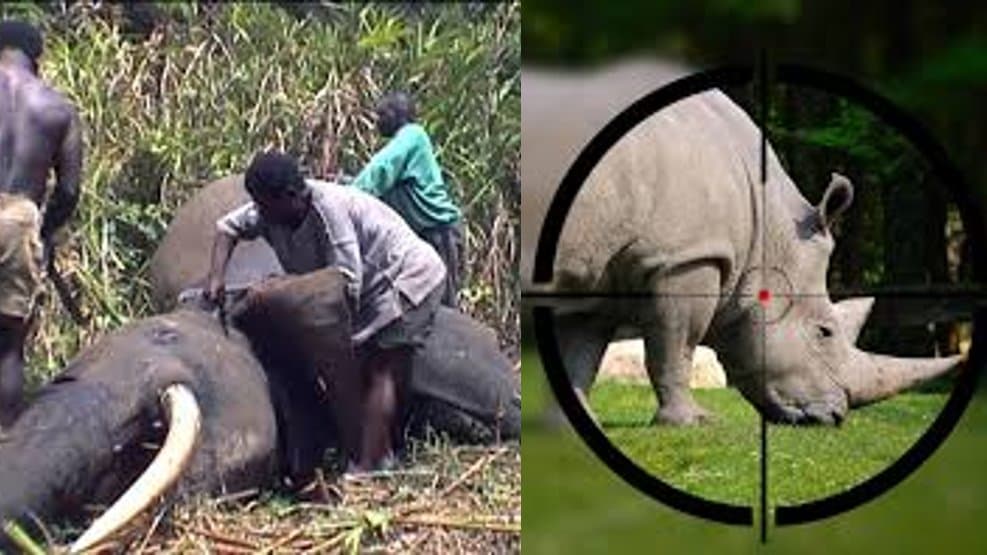
Behind this image of peaceful abundance lies a sobering reality. Poachers claim an African elephant's life approximately every ten minutes. The illegal ivory trade continues to fuel relentless demand, and East Africa has borne the heaviest burden—though the crisis touches ecosystems across the entire continent.
Protecting African elephants requires more than anti-poaching patrols. It demands a shift in global demand for ivory, stronger international law enforcement, and communities that see more value in a living elephant than a dead one.
African Elephant Ears, Trunks, and Tusks: Built for Survival
African elephant ears are much larger than those of their Asian cousins—and for good reason. In the scorching savannah heat, their ears act as giant radiators, pumping blood through a dense network of vessels to release body heat. The trunk, capable of lifting 350 kilograms yet delicate enough to pick a single berry, is one of nature's most sophisticated tools. Tusks serve as multipurpose instruments: digging for water, stripping bark, and occasionally as weapons during confrontations.
Understanding these adaptations isn't just fascinating—it's a reminder of how perfectly tuned African elephants are to their environment, and why habitat loss strikes so hard.
The Rhinoceros: Strength in Vulnerability
The rhinoceros gets its name from the Greek words for 'nose' and 'horn'—a fitting label for an animal whose most defining feature sits front and centre. Despite that formidable exterior, rhinos are biologically fragile creatures, highly dependent on specific habitats and food sources.
That iconic horn isn't bone at all. It's made of tightly packed keratin—the exact same protein found in human fingernails and hair. Simple biology. Yet this fact hasn't stopped illegal markets from driving a devastating poaching crisis built on myths of medicinal value.
The Rhino Horn Trade: A Crisis Fuelled by Myth
In South Africa alone, an average of three rhinos are lost to poachers every single day. Unproven claims about rhino horn's medicinal properties continue to sustain black-market demand—despite no scientific evidence supporting these beliefs. The illegal wildlife trade remains one of the most profitable criminal enterprises in the world, ranking alongside drug and arms trafficking.
Recent conservation efforts have helped slow the numbers in certain regions, but even a single life lost is a devastating blow. Protecting rhinos isn't just about enforcement—it's about changing mindsets across continents.
Why Wildlife Conservation Depends on All of Us
Wildlife conservation isn't a task reserved for rangers and researchers. Every purchase decision, every policy vote, and every conversation about endangered animals contributes to the broader picture. When communities benefit economically from healthy wildlife populations, they become their most effective guardians.
Teaching children to marvel at a tracking African elephant herd—or to understand the quiet dignity of a rhino—plants seeds of empathy. Those seeds grow into lifelong stewardship. That's why education is at the heart of every successful conservation programme.
Responsible Wildlife Tourism: Seeing Elephants the Right Way
Responsible wildlife tourism is one of the most powerful tools available for conservation funding. When travellers choose ethical safari operators—those that prioritise animal welfare, support local communities, and avoid exploitative practices—their spending goes directly toward protecting the species they came to see.
Look for operators accredited by the African Travel and Tourism Association (ATTA) or who work with established conservation NGOs. Avoid any experience that involves riding elephants, handling rhinos for photos, or venues that breed wildlife for commercial gain. The best wildlife encounter is one where the animal is entirely free—and unaware of your presence.
The Biggest Threats Facing African Elephants and Rhinos Today
Both species face a convergence of threats that compound one another:
⦁ Illegal poaching: driven by the ivory trade and demand for rhino horn in Asian markets
⦁ Habitat loss: farming, mining, and urban expansion destroy migratory corridors and watering grounds
⦁ Human-wildlife conflict: as habitats shrink, elephants increasingly raid crops, leading communities to view them as threats rather than assets
⦁ Climate change: shifting rainfall patterns dry up rivers and reduce vegetation, amplifying food and water stress on already-depleted populations
⦁ Disease: drought-weakened populations are more susceptible to outbreaks, further straining numbers
None of these threats exist in isolation. Addressing them requires coordinated action across governments, conservation organisations, local communities, and individual consumers worldwide.
Frequently Asked Questions
Q: Why is the African elephant endangered?
African elephants are classified as vulnerable to endangered depending on the subspecies. The primary drivers are illegal poaching for ivory and significant habitat loss due to agricultural expansion, deforestation, and human settlement. Climate change is an accelerating factor, reducing access to food and water.
Q: How does responsible wildlife tourism help conservation?
Ethical wildlife tourism generates revenue that funds anti-poaching patrols, habitat protection, and community development programmes. When local communities earn income from wildlife, they have a direct incentive to protect it. It also raises global awareness about the plight of endangered animals.
Q: What is rhino horn actually made of?
Rhino horn is composed entirely of keratin—the same structural protein found in human fingernails and hair. It has no proven medicinal properties. The persistent belief that it does is the primary driver of illegal poaching and the black-market rhino horn trade.
Q: What role do African elephant ears play in their survival?
African elephant ears serve as natural cooling systems. Blood vessels run close to the skin's surface, and the large surface area of the ears allows body heat to dissipate efficiently. In high-temperature environments, this thermoregulation is critical to survival.
Q: How can I support African elephant and rhino conservation?
You can donate to reputable conservation organisations, choose responsible wildlife tourism operators, avoid purchasing products made from ivory or rhino horn, and support policies that strengthen international wildlife trafficking laws. Sharing credible information about endangered animals also contributes to wider public awareness.
The Wild Needs More Than Our Attention—It Needs Our Action
The rumble of an African elephant herd and the steady presence of a rhino at dusk are not guaranteed sights. They are gifts—ones that could disappear within a generation if we don't act now.
Wildlife conservation is not a distant cause. It lives in every travel choice, every conversation you start, every child you inspire to care about the natural world. The next generation of conservationists is sitting in classrooms and around campfire stories right now—and they need us to model what stewardship looks like.
Stay tuned for the next chapter in our Biodiversity Ecosystem Function series, where we'll explore another remarkable species and the everyday choices that help keep it thriving.