Understanding Territorial Behavior in Cats
Amna Razzaq
May 6, 2026

Understanding Territorial Behavior in Cats
Cats may seem calm and independent, even indifferent at times, but underneath this quiet exterior is an extremely organized behavioral system based on territory. Their behavior is highly influenced by space, boundaries, and control of their environment, whether they are domesticated pets or free-ranging feral cats.Territoriality is one of the most important behavioral traits of cats. It determines how they move, interact, hunt and even respond to other animals. This understanding helps explain why cats do what they do, especially in outdoor and feral populations.
What is Territoriality in Cats?
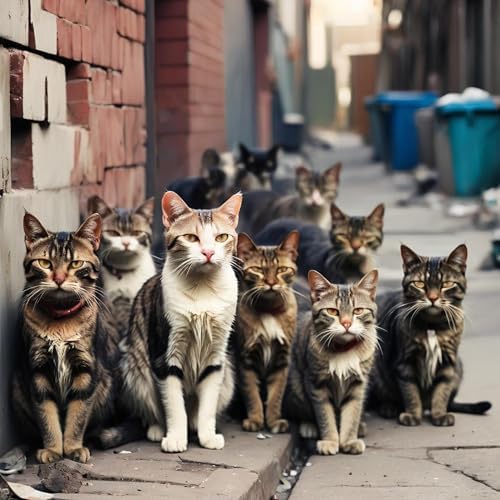
Territoriality is how animals defend, claim and use a specific area for survival. In cats, such space provides access to food, shelter, and mating opportunities. Domestic cats still have the instincts of their wild ancestors. In home settings too, they have “zones” including sleeping areas, feeding spots and favorite resting places. However, this is more obvious in outdoor and feral cats, because their survival depends on it.
How Cats Mark Their Territory
Cats do not rely on physical barriers like fences. Instead, they use chemical and behavioral signals to mark their territory.
Common marking behaviors include:
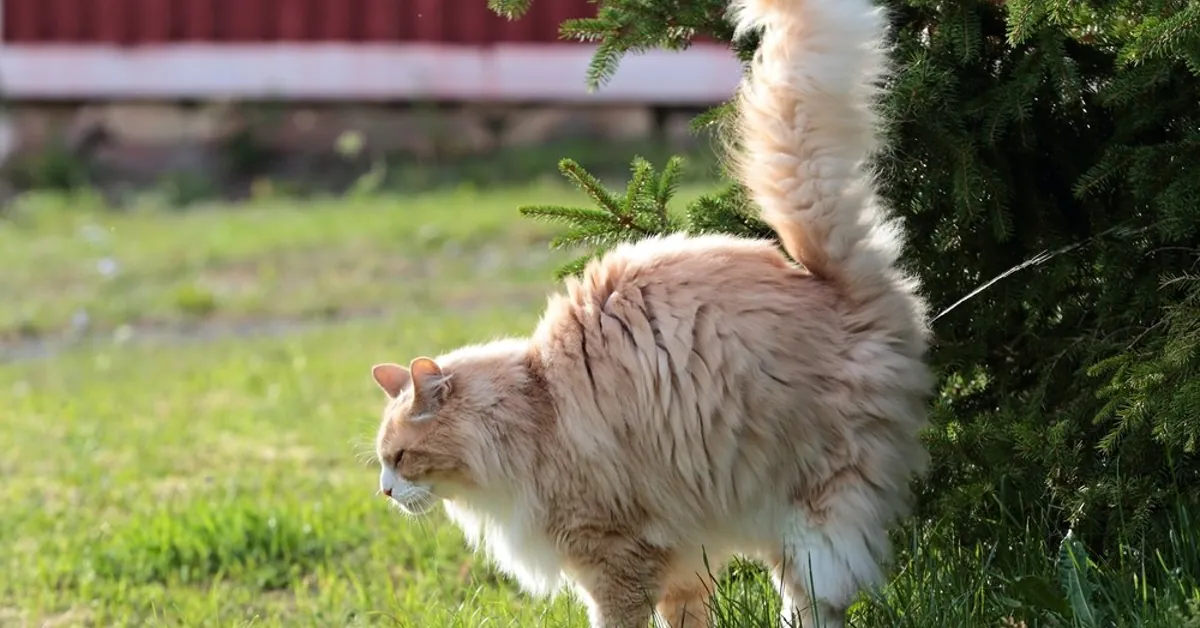
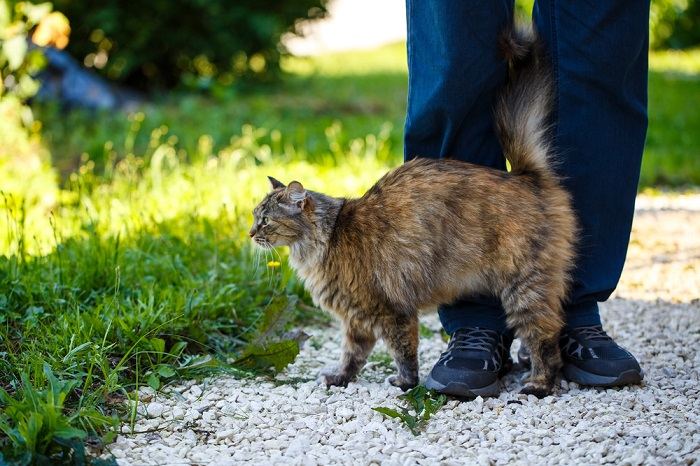
Scent marking through glands on their face and body
Urine spraying, especially in males
Scratching surfaces, which leaves both visual marks and scent signals
These markings act as communication tools. They tell other cats:
“This area is occupied”
“I was here recently”
This reduces direct conflict because other cats can detect these signals and avoid confrontation.
Territorial Structure in Feral Cats
Feral cats (cats living without human care) develop more complex territorial systems compared to house cats.
Male cats:
Control larger territories
Overlap with areas of multiple females
Focus on access to mates
Female cats:
Maintain smaller, stable territories
Centered around food and shelter
Less overlapping compared to males
This structure allows populations to exist without constant fighting, as each cat learns the boundaries and respects them to some extent.
Behavioral Patterns in Feral Cats
Feral cats are highly adapted to their environment. Their territorial behavior shapes their daily activities:
Activity timing:
More active during night or dawn/dusk
Helps avoid humans and predators
Movement:
Follow regular paths within territory
Rarely move randomly
Conflict avoidance:
Prefer warning signals over fighting
Fighting happens only when territory is threatened
This behavior conserves energy and reduces injury risk, which is critical for survival in the wild.
What Happens When Territories Overlap?
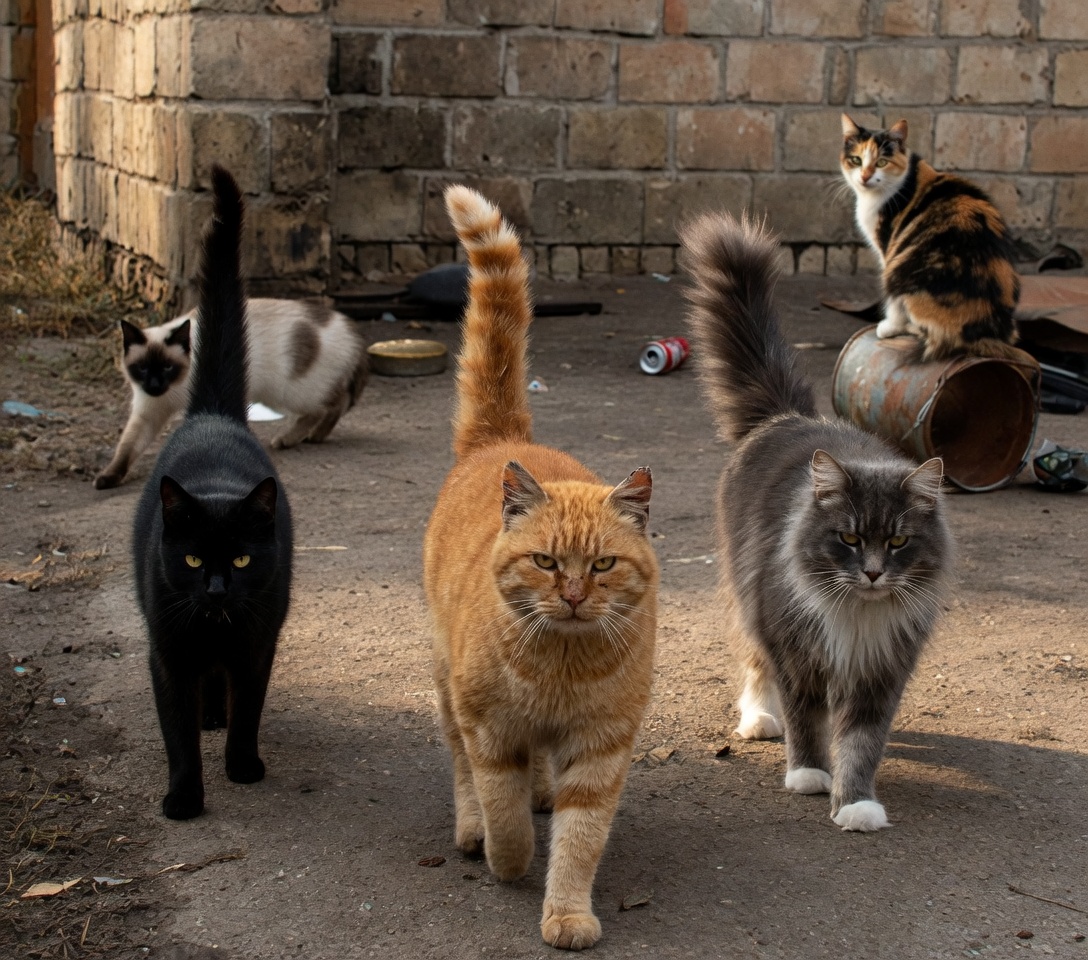
In areas with high cat populations, territories may overlap. This can lead to:
Increased stress
Competition for food
Aggressive encounters
But in many cases cats set up a hierarchy system where dominant cats are given priority access to resources and other cats alter their movement patterns to avoid conflict.
Territorial Behavior in Domestic Cats
Even indoor cats show territorial instincts, although in a more subtle way.
Examples include:
Guarding favorite sleeping spots
Hiding or avoiding unfamiliar animals
Reacting strongly to new pets
When a new cat is brought into a home, the existing cat may see it as an intrusion and territorial conflict can arise. That’s why the slow intros are so important, so cats can get used to each other, and set new boundaries.

Territorial Stress and Behavioral Changes
When a cat’s territory is disturbed, it may show signs of stress such as:
Excessive hiding
Increased aggression
Urine marking inside the house
Changes in eating behavior
In feral cats, loss of territory can mean loss of food and shelter, which directly affects survival.
The Role of Territoriality in Survival
Territorial behavior is not just about control it is a survival strategy.
By maintaining a defined space, cats:
Secure access to resources
Avoid unnecessary conflict
Reduce energy loss
Increase chances of reproduction
This system allows even solitary animals like cats to exist in shared environments without constant competition.
Human Interaction and Feral Cats
Human activity can strongly influence feral cat territories. Urban development, food availability, and shelter spaces all shape how these cats behave.
In some cases:
Feeding stations create territory clusters
Construction disrupts established zones
Increased human presence shifts activity patterns
Understanding these effects is important for managing feral cat populations in a humane and effective way.
Conclusion: A World Defined by Boundaries
Cats may appear to be independent and solitary, but their lives are carefully organized around territory. Territoriality is how they survive and interact with their environment, ranging from subtle scent markings to complex spatial organization.
Wild cats, for example, illustrate how these behaviours play out in the wild. This species demonstrates intelligence and adaptability through their ability to set boundaries, avoid conflict and adjust to changing surroundings.
Understanding territorial behavior helps us better understand the hidden world of cats, a world that is not defined by visible walls but invisible boundaries that dictate every move.