The Tiny Creatures We Overlook: Why Insects Are Essential to Biodiversity
Swera Batool
October 18, 2026
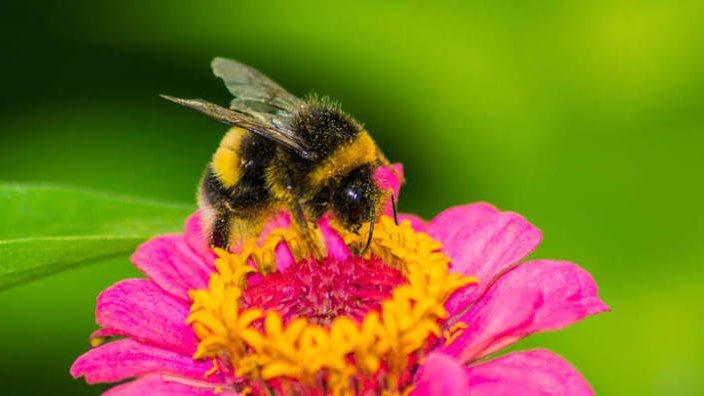
Some of the most important workers in nature are the easiest to miss. Insects are small but their reach extends to forests, grasslands, farms, freshwater habitats and even our own gardens. These small animals go often unnoticed but are vital to the functioning of ecosystems, recycling organic matter and pollinating flowers.
But insects are often seen as pests, rather than as vital parts of the natural world. Recognising their role in the ecology is a key step in protecting biodiversity and sustaining healthy ecosystems.
Beyond the Buzz: What Do Insects Actually Do?
Insects play many roles in the ecology that are important for the survival of other organisms. Their functions go much further than the familiar image of bees visiting flowers or butterflies moving between plants.
Beetles, butterflies, moths, flies and other insects aid pollination. These insects help many plants to reproduce and produce seeds and fruits by carrying pollen from flower to flower. These processes help natural vegetation and contribute to the production of food. Other insects help break down dead plants, animals and waste. Many beetles and fly larvae and other invertebrates aid in decomposition, recycling nutrients back to the environment. Without these natural recycling processes, ecosystems would face difficulties in maintaining their nutrient cycles.
Birds, bats, amphibians, reptiles, fish and many other animals also feed on insects. Their abundance and diversity help support food webs, linking organisms across habitats.

Nature's Hidden Connections
But the ecological importance of insects is even more interesting when we consider their relationships with other animals. Birds use ants to help get rid of parasites in their feathers . Some mammals have been seen to use insects in completely unexpected ways . Insects also may be involved in shelter, sanitation and other ecological interactions.
These connections show that biodiversity is more than just a bunch of different species living in one area. It is a web of relationships where organisms affect each other’s survival.
When one group goes down, the effects may spill over to other groups. For example, fewer insects can affect animals that eat them, plants that need them to pollinate, and ecosystems that rely on their work to break down organic matter. This is why protecting biodiversity means paying attention to small and less familiar organisms, not just large or charismatic wildlife.
Why Are Insects Facing Growing Challenges?
There are many environmental pressures on insect populations . Loss of habitat is a major concern because the conversion of natural landscapes to buildings, roads, and intensively managed agricultural land can eliminate food sources, nesting areas, and suitable breeding habitats. Pesticide exposure can injure non-target insects, and the effects will vary with the chemical, dose, exposure route and species. Pesticides can be used to manage agricultural pests, but their impact on beneficial insects needs to be carefully examined.
Climate change makes the situation more complicated. Temperature, rainfall and seasonality can affect insect development, distribution, reproduction and timing of insect and flowering plant interactions. For some species artificial lighting and pollution of the environment may add to pressures. " Nocturnal insects, for instance, may be attracted to man-made lights, which could alter their usual behavior and make them vulnerable to additional risks.
These pressures are not the same for every insect species. Some species may decline, some may move, and some species that can adapt may increase under changing conditions. Understanding these differences is important for effective conservation.
Why Insect Conservation Matters for Everyone
Insect conservation is not only for scientists and wildlife lovers. It matters to farmers, to gardeners, to communities, to all of us who depend on healthy ecosystems. Pollination by insects is essential for the reproduction of many flowering plants and the production of many crops. Predatory and parasitic insects can aid in controlling populations of agricultural pests. Decomposer insects are important in nutrient cycling and organic matter breakdown.
These functions are part of ecological processes that we humans too often take for granted.
It is not necessary to welcome every insect into every circumstance in order to protect them. Certain animals can spread illness or harm crops. Rather, conservation entails managing dangerous pests and comprehending the ecological responsibilities of many species without needlessly harming beneficial organisms and the surrounding ecosystem. Both agricultural demands and biodiversity preservation can be supported by a well-rounded strategy.

Simple Ways to Help Insects Thrive
Meaningful conservation can begin with small changes in homes, gardens, schools, and local communities.
1. Cultivate a range of blooming plants. When suitable for the area, native plants can give native insects food and a place to live. Selecting plants that bloom at different periods of the year could assist supply resources for a longer period of time.
2. Cut back on needless pesticide use. When feasible, use non-chemical pest control techniques; when chemical treatments are required, adhere to safety instructions and pesticide warnings. The danger of damaging non-target organisms can be decreased by avoiding pointless applications.
3. Make outdoor lights more conducive to wildlife. At nite, turn off lights that aren't essential, only use lights when necessary, and think about shielded, less distracting illumination. These actions can lessen the amount of artificial light that nocturnal animals are exposed to.
4. Preserve natural areas. When properly managed, native flowering plants, vegetated field margins, hedgerows, and unaltered habitat patches can offer insects resources and refuge.
5. Before removing, learn. Not all insects in a garden are dangerous. People can make better decisions about pest control and conservation by observing insects, identifying species where feasible, and comprehending their behavior.
Insect observations can also be organized by community organizations and schools using basic field notes and photos. These kinds of activities help people learn about the diversity of life around them and promote ecological consciousness.