The Sparrow That Stayed: How house sparrows are resisting the unprecedented urbanization.
Muqadas Mukhtar
June 24, 2026
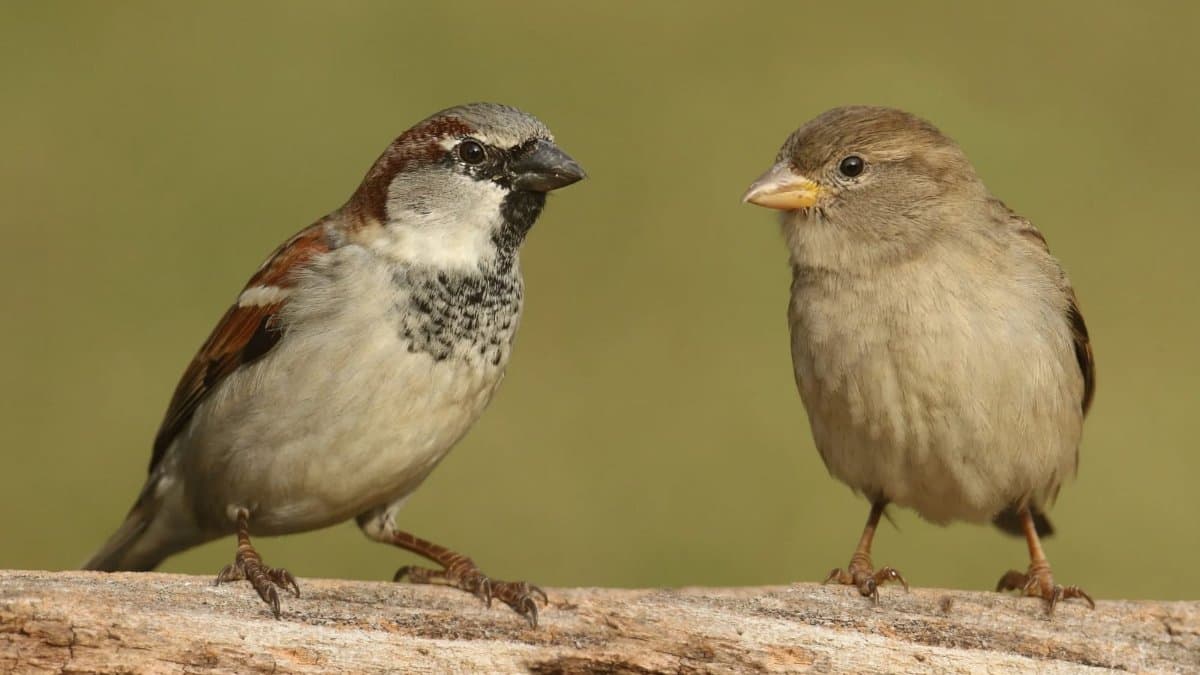
The House Sparrow (Passer domesticus) is one bird that embodies the odd and complex urban-wildlife connection. That bird outside your window, on your veranda, or the one that has been there since before you were born—you don’t even need to ask yourself, “How is that bird doing?
This one is quite a bit more interesting than it sounds. But in certain areas of Europe, the House Sparrow has been reduced so severely in the last few decades that it is considered a conservation threat in urban areas such as London. In Punjab, however, it is a different story, as I spent a year studying nesting birds for my thesis here. So, has the house sparrow won, or is it a passive loser who does not have to worry about urbanization?
The Most Common Bird in My Entire Study
The house sparrow was by far the most common of all the 12 species I found in 300 house sparrow nests. These birds made more individual bird sightings and egg observations than any other species recorded, including House Crow (second most), with 172 and 137 records, respectively. The sparrow would be the bird that symbolized the common birds of Punjab, Pakistan.
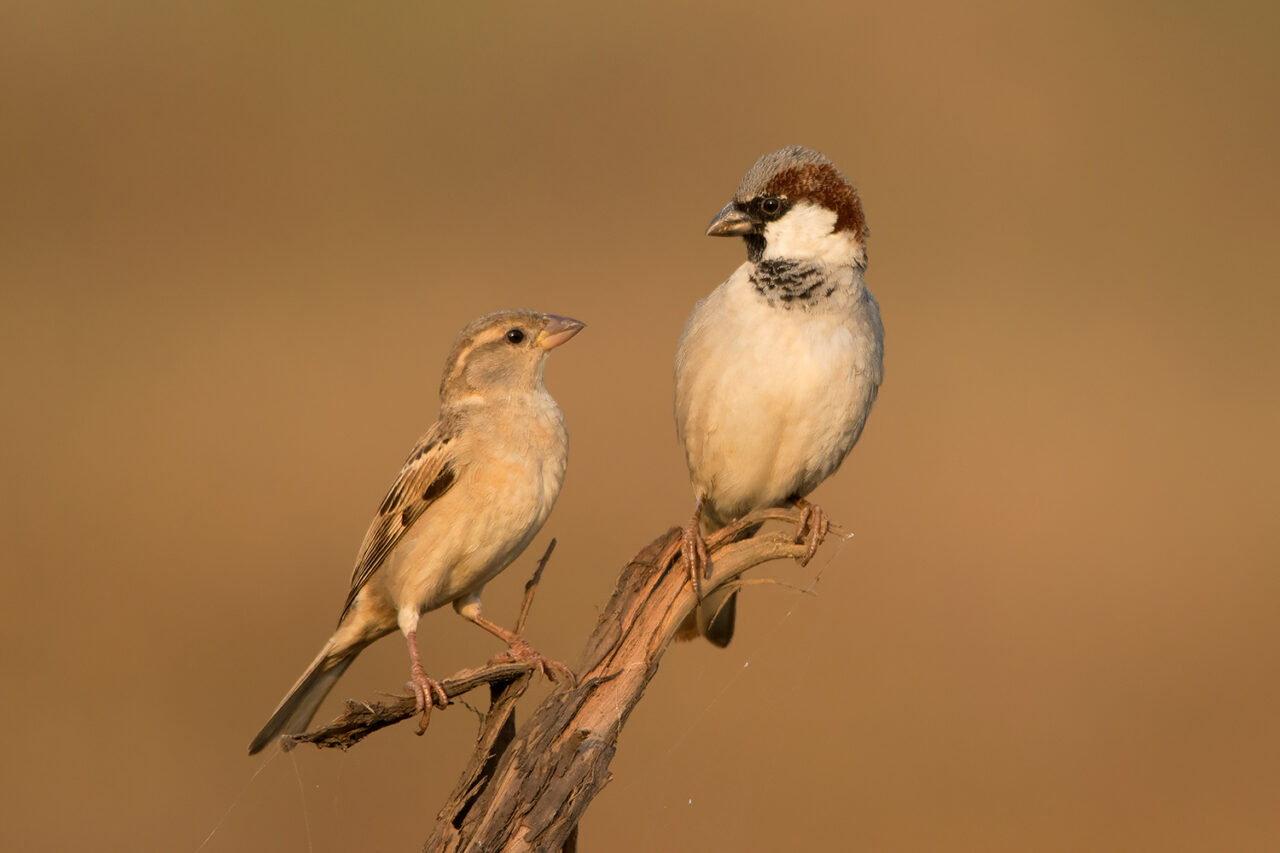
That’s abundance enough; it's a sort of answer. House Sparrows were not uncommon, nor were they particularly lacking in either habitat; in fact, they were quite plentiful. I discovered their nests in roof spaces, cracks in walls, street light fixtures, and thick shrubs in both the inner city and the countryside. A bird that has clearly learned to live among man and in a city that is still actively developing and changing.
What House Sparrow Nests Are Made Of
Now the fun really begins. House sparrows remained very faithful to natural nesting substrates, being considered one of the more “urban” species in the whole study area. In the entire data sample, their nests consisted mainly of grasses, twigs, feathers, plant fibers, and other plant-based materials, not the plastic and synthetic garbage you would anticipate from a bird so much a part of the urban environment.
This pattern is evident when considering anthropogenic (artificial) material use by all 12 species studied.
Figure: The proportion of anthropogenic (plastic, cloth, synthetic) material in nests, by species. House Sparrows (Passer domesticus) have a wide range but a low median compared to other species such as Rock Pigeons (Columba livia) and House Crows (Corvus splendens).

House sparrows were compared with other species that had much higher and more consistent use of plastic, cloth, or synthetic thread in their nests, such as rock pigeons or house crows. By contrast, the median percentage of anthropogenic material was low in sparrows, although there was a wide range, with some individual nests presenting unusually high levels of artificial material. The spread implies flexibility, not a rule, since the majority of sparrows are following tradition, but a few are definitely trying out the materials around them.
Plant Material Still Dominates, Even in the City
This discovery is also true of the population level. Overall material composition from urban sites to rural sites throughout the entire study showed that plant-based material was still the major component, with 78% of materials in urban nests and 86% of materials in rural nests, on average.
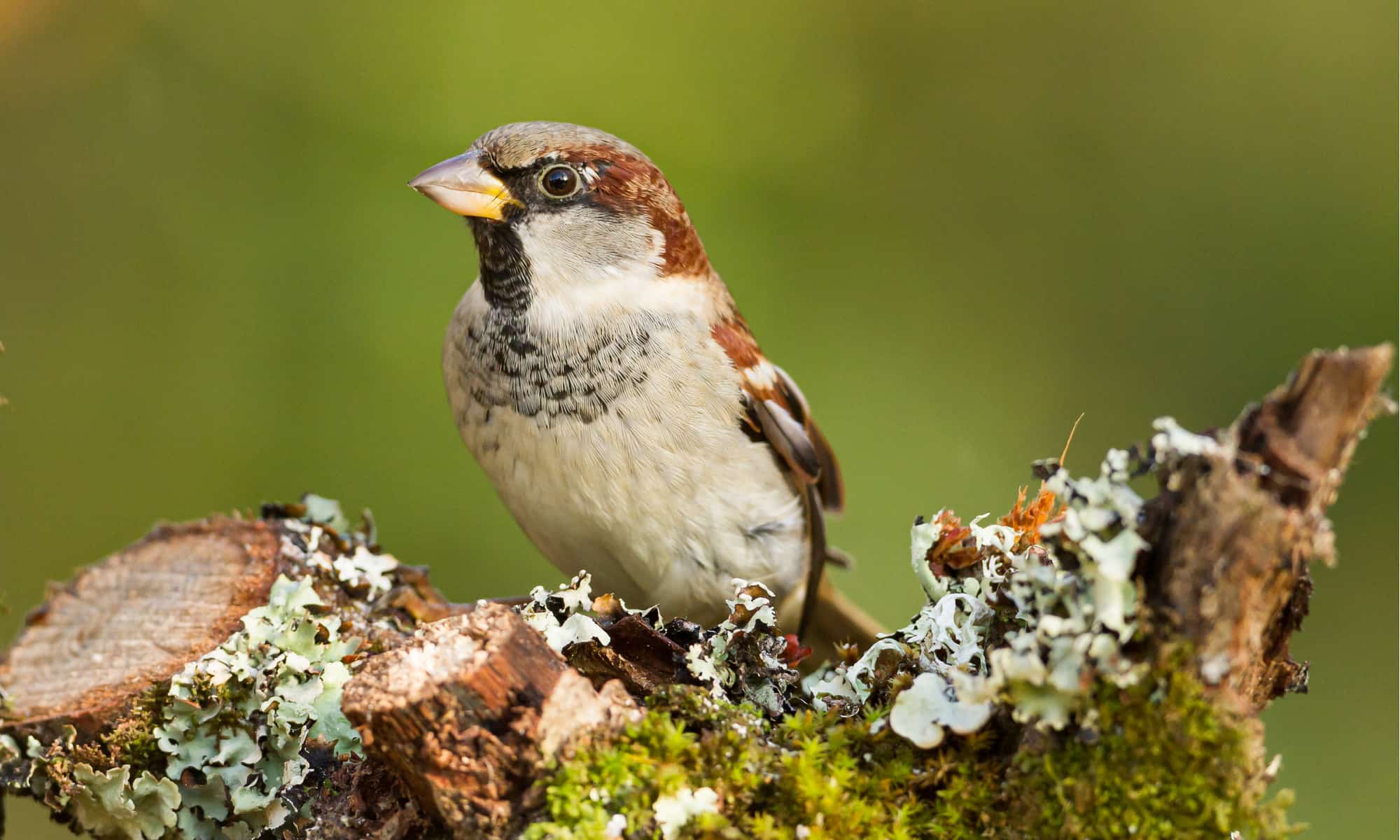
For House Sparrows, this is very important because it was the House Sparrows that were responsible for a lot of that plant-based dominance. In the thick of the urban heart of Punjab, among piles of plastic garbage, construction dirt, and concrete, sparrows primarily continued to build the way sparrows have built: out of grass, straw, feathers, and twigs from whatever green spaces are still available in the concrete jungle.
So how are they coping? The Occupancy Numbers Say Yes
The choice of material is only one part of the story. The bigger question is whether sparrows are actually successfully breeding in the city. And here the data is reassuring. Across the entire study, nest occupancy in the summer breeding season was indistinguishable statistically between urban and rural habitats (χ² = 0.1515, p = 0.697). In other words, birds were just as likely to be actively nesting in the city as in the countryside.
Figure: Percentage of occupied and unoccupied nests in rural and urban habitat in summer. Occupancy was high and similar in the two habitat types.

This finding has direct implications for the situation of house sparrows, as they represented such a large proportion of the total nests recorded. They are found in the city and reproduce there actively at rates comparable to those in rural areas. There is no sign here of the kind of urban sparrow decline that has rattled researchers in European cities.
Winners or losers, then?
What I discovered in my research demonstrates that house sparrows are unquestionably beneficiaries of urbanization, at least temporarily and at least in a city that has not yet experienced extreme urbanization. “In both urban and rural environments, they are proliferating well and in good numbers. And despite a shifting landscape of buildings and waste everywhere, they have been able to mostly carry on constructing nests in the traditional manner.
But I’d be wary of calling this a permanent victory. Their reliance on plant-based material means that their success is quietly dependent on something Punjab still has but won’t necessarily keep: patches of greenery, garden plants, roadside grass, and scattered vegetation within the urban fabric. As the city expands, the green cover continues to diminish, and sparrows may one day find themselves facing the same material compromises that are currently evident in species such as the house crow and the rock pigeon, trading in plastic and synthetic fiber for the grass and feathers they presently favor.
That is, the success of the House Sparrow in Pakistan is no proof that urbanization is benign. It’s a sign that the city as it is still has enough nature in it for an adaptable bird to make a living. Whether it will be in ten or twenty years depends entirely on the choices being made now: how much green space gets paved over, how waste gets managed, and how much room is left for a bird that has, for now, made the city its home.