The Plastic You Cannot See: How Microplastics Are Reaching Wildlife Beyond the Oceans
Swera Batool
November 8, 2026
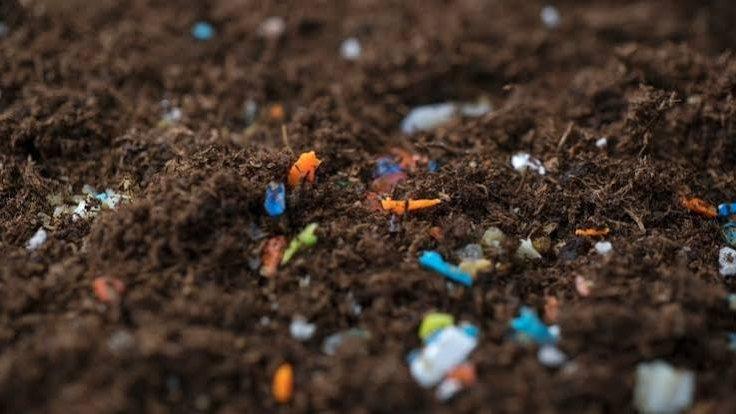
Plastic pollution is often imagined as floating bottles, discarded shopping bags and littered beaches. We know these pictures. But these are only the tip of the iceberg in terms of environmental issues. Bigger plastic materials can break down into tiny particles called microplastics. Typically, they are smaller than five millimetres, and can enter soil, freshwater, agricultural fields and other natural environments.
Their tiny size makes them hard to see but wildlife can be exposed to them through ingestion of food, water and their surrounding environments .
And perhaps most alarmingly, plastic pollution is no longer just an ocean story. It’s becoming a concern for animals that live on land and in the soil, and even in places we might not expect to find it.
When Plastic Enters the Ground Beneath Our Feet
Soil is one of the most important foundations of terrestrial ecosystems. It sustains plant growth, stores nutrients, provides habitat for countless organisms and helps to maintain ecological processes. Agricultural activities and human waste, however, can also add microplastics to soil. Potential sources are plastic mulch materials, wastewater-derived products, irrigation and the degradation of larger plastic waste.
Once in the soil, these particles can affect microorganisms, alter some soil properties and interact with organisms that live underground. A review of microplastics in agricultural soils (2026) discussed their potential effects on soil microbial communities, nutrient cycling and earthworm health. It also pointed out that these effects depend on the properties of the particles and the environmental conditions. This implies that plastic pollution may be more than just a cosmetic problem for a landscape. It can potentially disrupt the biological processes that keep the soil alive.
Earthworms: Small Engineers Facing a New Threat
Earthworms don't get the same attention as larger wildlife, but they have important ecological roles. They mix organic matter, create channels and affect soil structure as they move through the soil. Their feeding and burrowing activities also help cycle nutrients and move organic matter around. However, these organisms may also be exposed to microplastics during feeding.
A meta-analysis of 102 research papers from 2026 found that exposure to microplastics was linked to lower survival and growth of earthworms, greater oxidative stress, and changes in the diversity of bacteria in their gut. They also found that biodegradable plastics were not necessarily less ecologically hazardous than conventional plastics.
This is important because it challenges the notion that simply swapping out conventional plastics for biodegradable alternatives will solve environmental problems. The effects depend on the material, conditions of exposure and the organism involved.

Birds Are Encountering Plastic on Land Too
When people discuss plastic ingestion in wildlife, seabirds tend to get the most attention. Plastic particles may also be ingested by birds on land while they forage. Ground-foraging birds may ingest soil or food mixed with particles. Other species might come across them through insects, seeds and other feeding resources. In 2026, a study published in the Journal of Hazardous Materials: Plastics tested 113 land birds of nine species. Microplastics were found in 65% of sampled birds. The researchers also found that exposure varied according to feeding strategies, with ground-foraging omnivores having particularly high ingestion. This research contributes an important dimension to our understanding of plastic pollution.
“Birds don’t have to live near the sea to be exposed to plastic. Their feeding habits and the environments they use can expose them to particles from terrestrial habitats.
When Aquatic Pollution Travels onto Land
The most interesting ecological connection is between freshwater and terrestrial ecosystems.
Many aquatic insects spend part of their life cycle as aquatic larvae. When they become adults, they move into the surrounding terrestrial environment and may be eaten by spiders, birds and other predators. This provides a potential pathway for substances accumulated in aquatic environments to enter terrestrial food webs.
In September 2026, a study published through the US Geological Survey looked at the movement of microplastics through emerging aquatic insects and riparian spiders in a wastewater-impacted river system in Canada. The researchers explored whether aquatic insects can move microplastics from water to adjacent terrestrial food webs, including through their association with spiders. This is a reminder that ecosystems are not closed systems. Rivers, wetlands, forests and surrounding landscapes are connected by the movement of organisms and materials.
Why the Problem Is Difficult to Manage
“The problem with microplastics is they’re everyplace, they don’t go away, and they’re difficult to see without special tools.” When compared to large plastic waste, small particles can be invisible in soil, water and biological samples. Their effects also depend on particle size, shape, polymer type, concentration and exposure duration.
Researchers are still looking at how these particles affect wildlife over extended periods of time and whether changes seen in individual organisms have broader population-level effects.
It's crucial to remember that not all animals exposed to microplastics will be affected in the same way. The physiology, eating patterns, and environmental needs of various species vary.
Developing successful conservation initiatives requires an understanding of these distinctions.
Can We Reduce the Plastic Reaching Wildlife?
Preventing needless plastic trash from entering the environment is the first step in reducing plastic pollution. Reducing the quantity of plastic that can decompose into smaller particles can be achieved by using fewer disposable plastic products, disposing of garbage properly, preventing littering, and enhancing waste collection. Attention should also be paid to agricultural techniques. Plastic particle introduction into farmland can be reduced by managing plastic mulching materials, irrigation sources, and wastewater-derived products responsibly.
Monitoring the environment and conducting research are equally vital. Under realistic environmental conditions, scientists need to know which creatures are exposed to microplastics, where they aggregate, and what biological impacts they have.
Protecting animals when they are in danger is simply one aspect of conservation. It also entails recognizing environmental stressors before their effects worsen.
The Pollution We Cannot Always See
It is simple to identify a plastic bottle as rubbish when it is found next to a road. It is far more difficult to detect a tiny plastic particle that is moved through a food web or incorporated into the soil. However, they both contribute to the same environmental issue.
Microplastics serve as a reminder that pollution does not go away just because it gets smaller or less noticeable. It can travel through habitats, interact with living things, and pose ecological problems that scientists are still trying to figure out. Perhaps the next time we examine plastic pollution, we should go beyond the ocean's surface and take into account the tiny organisms that sustain entire ecosystems, the soil beneath our feet, and the birds that are looking for food.