The Incredible Diversity of Mammals in the Americas
Amna Razzaq
May 15, 2026
The Incredible Diversity of Mammals in the Americas
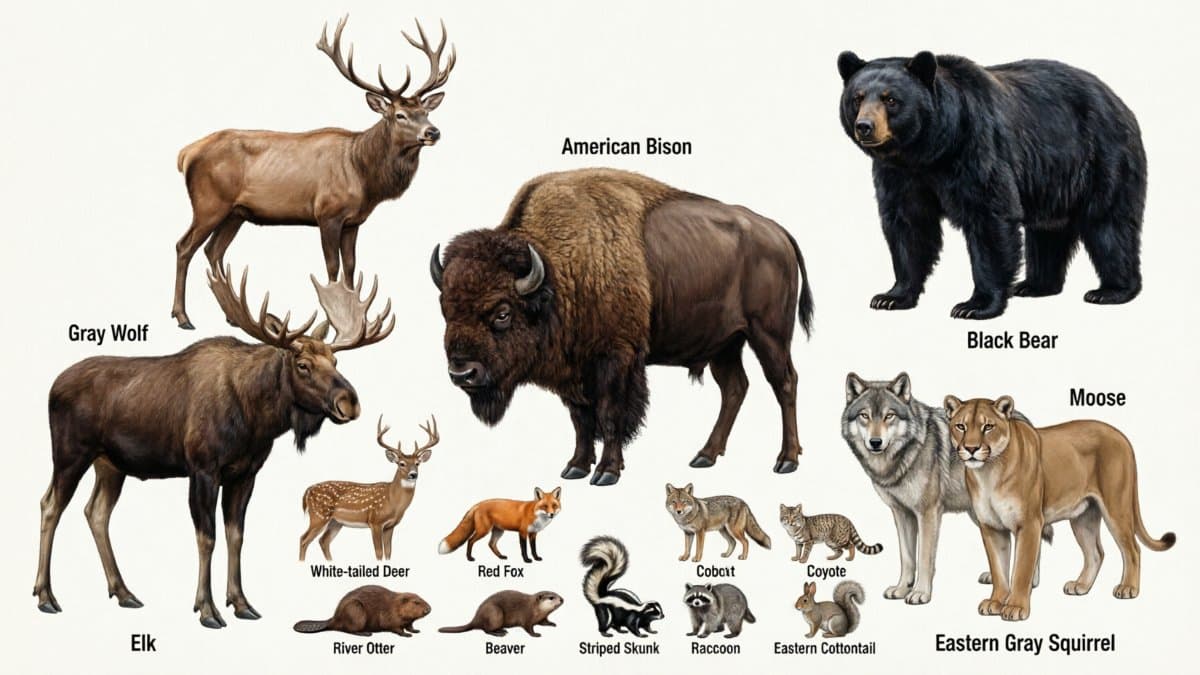
Welcome to Series 2! After exploring survival strategies in our first post, we now celebrate the astonishing diversity of mammals across the Americas—from the frozen north to the steamy Amazon rainforest. The continent hosts over 1,400 mammal species, showcasing everything from massive giants to tiny specialists, land dwellers to ocean masters.
Let’s meet some of the most remarkable ones in detail.
1. Iconic Giants of the Land
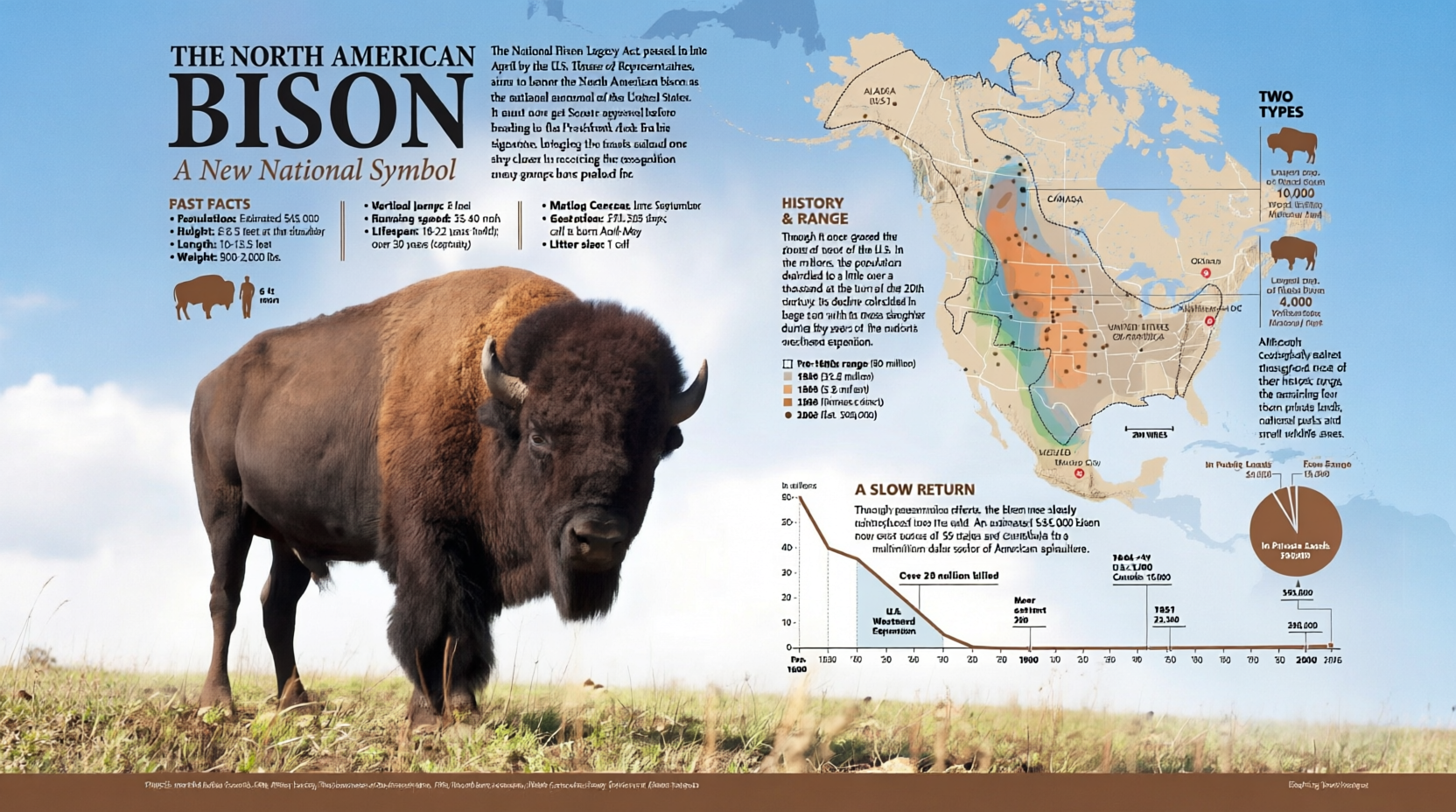
American Bison (Bison bison)
The largest land mammal in North America. Males can weigh up to 2,000 lbs (900 kg) and stand 6 feet tall at the shoulder. Once nearly driven to extinction, conservation efforts have brought numbers back to around 500,000. Bison are true ecosystem engineers—their heavy grazing prevents woody plants from taking over prairies, and their wallows (dust baths) create vital micro-habitats for insects, birds, and plants.
Jaguar (Panthera onca) The third-largest big cat in the world and the top predator of the Neotropics, jaguars are the strongest biters out of all the big cats. They can crush turtle shells and jaguar skulls. They are good swimmers and climbers and hunt any time of day. Their lovely rosette patterns are perfect camouflage in thick forests.
2. Species That Are Unique & Special
Virginia Opossum (Didelphis virginiana) . The only marsupial in North America. Females carry the underdeveloped young in a pouch for about 2 months. When threatened, they “play possum,” falling into a coma-like state with an open mouth and foul-smelling fluid. They have amazing immunity to snake venom and rabies as well.
Nine-banded Armadillo (Dasypus novemcinctus). This armored mammal is moving north into the USA. It always produces identical quadruplets (same sex). It has bony armor to protect it from predators. It can stay underwater crossing rivers for up to 6 minutes without breathing.

3. Masters of the Ocean
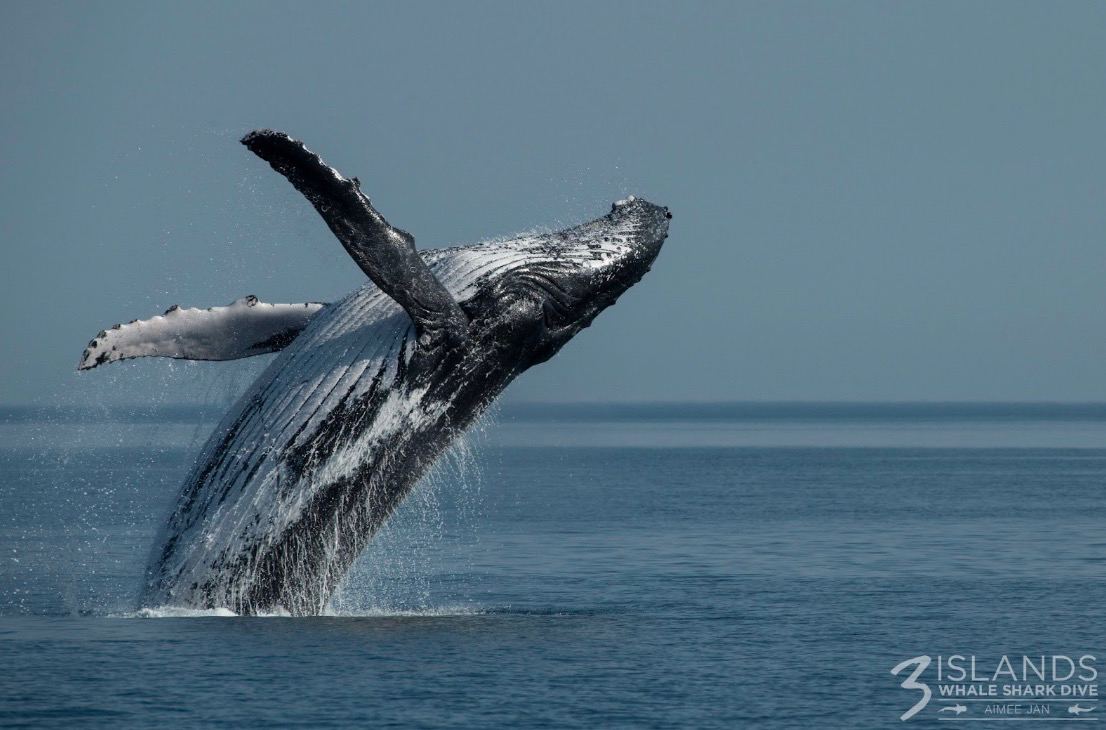
Humpback Whale (Megaptera novaeangliae)
These majestic giants can grow up to 60 feet (18 m) long and weigh 40 tons. They undertake one of the longest migrations on Earth — up to 5,000 miles between feeding and breeding grounds. Famous for their acrobatic breaches and complex, ever-changing songs used for communication and mating.
Sea Otter (Enhydra lutris)
The smallest marine mammal in North America and a keystone species. They use rocks as tools to crack open clams and sea urchins. With the densest fur of any animal (up to 1 million hairs per square inch), they stay warm without blubber. Their appetite for sea urchins helps protect kelp forests.
4. Fascinating South American Endemics
Giant Anteater (Myrmecophaga tridactyla)
One of the most bizarre mammals alive. It has no teeth and uses a 2-foot (60 cm) sticky tongue to lap up 30,000 ants and termites daily. Its powerful front claws can destroy termite mounds and defend against jaguars. It walks on its knuckles to keep its claws sharp.
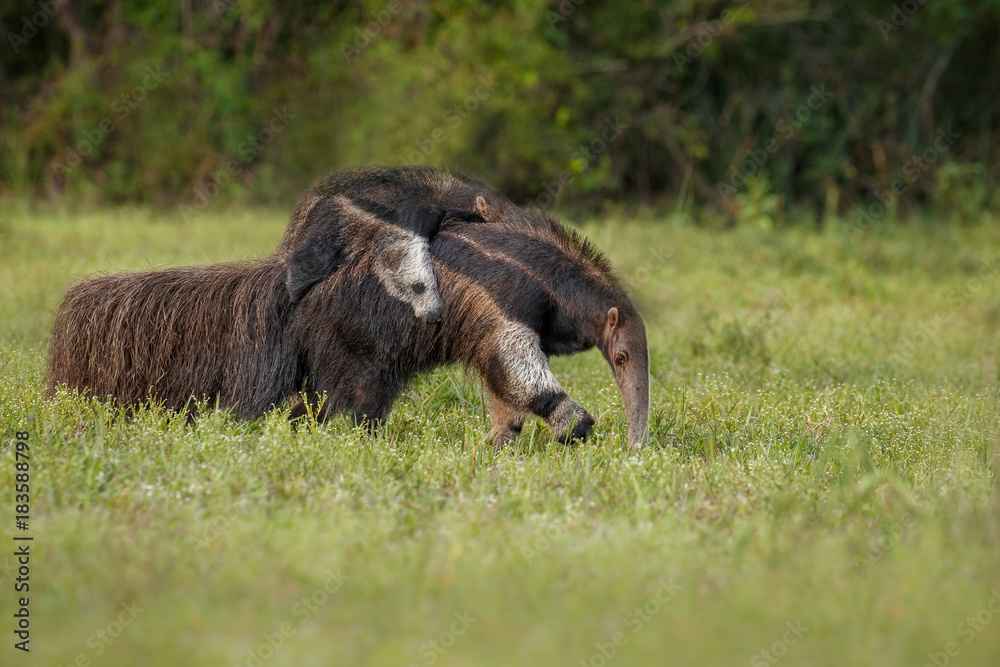
An amazing giant anteater walking in its natural habitat. Wildlife in South America. Beautiful and very rare animals. Myrmecophaga tridactyla. Stock Photo | Adobe Stock
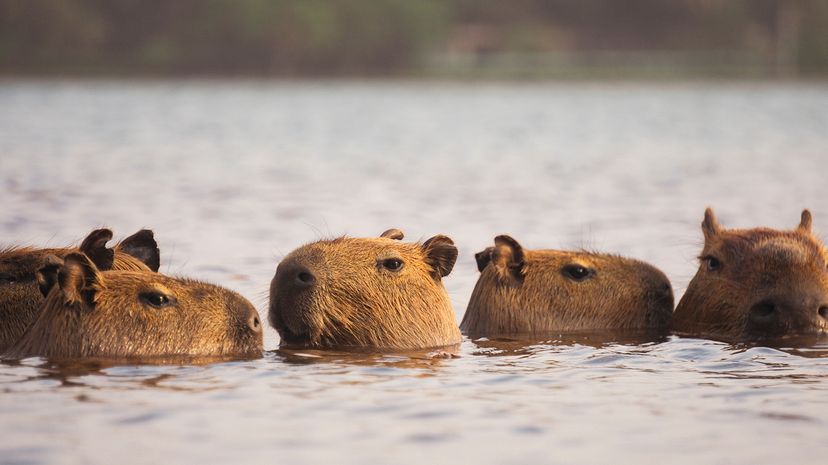
Capybara (Hydrochoerus hydrochaeris)
The world’s largest rodent, weighing up to 150 lbs (66 kg). Extremely social and peaceful, they live in groups and are famous for their “Zen” attitude—happily sharing space with birds, turtles, and even caimans. They are excellent swimmers with webbed feet.

Why This Diversity Matters
Mammals in the Americas maintain ecological balance as
Top predators (Jaguar, Puma)
Seed dispersers (Bats, Monkeys)
Habitat creators (Beavers, Bison)
Grazers and prey
Threats: Habitat destruction, climate change, and illegal wildlife trade put many species at risk. Protecting them means protecting entire ecosystems.