The Beginner's Guide to Planting Succulents
Aiman
August 27, 2026
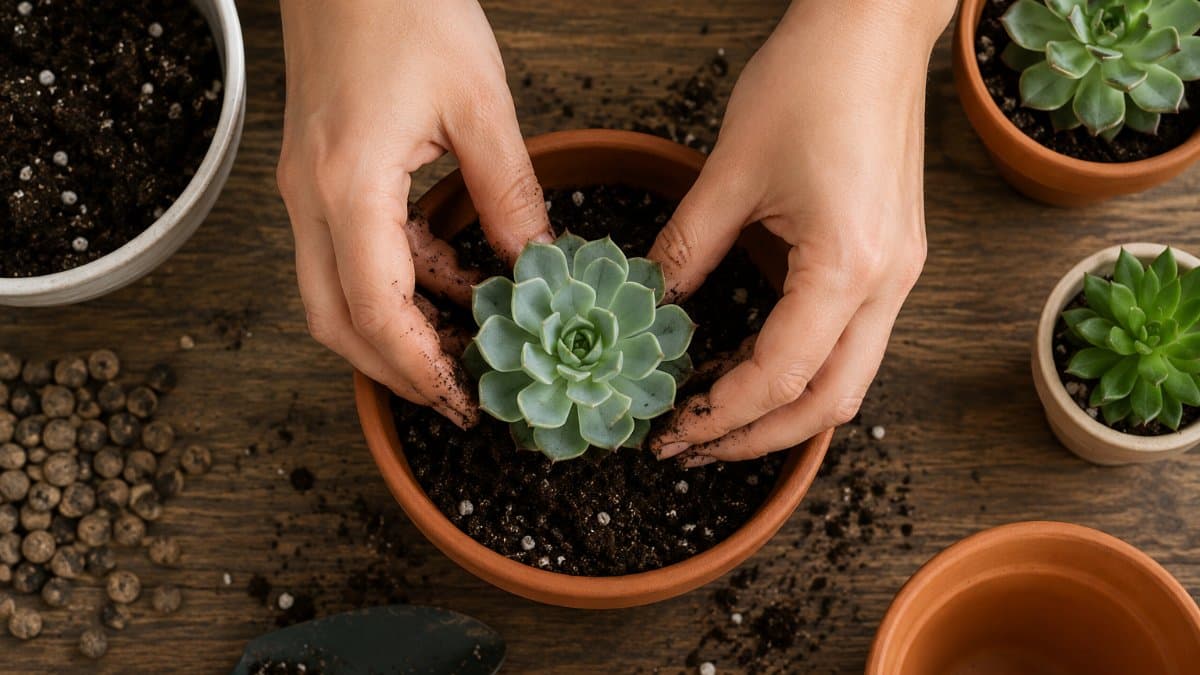
How to Plant Succulents: A Simple Step-by-Step Guide
Succulents have a reputation for being nearly impossible to kill — and once you know how to plant them correctly, that reputation holds up. Whether you're working with a fresh nursery start, a handful of cuttings from a friend's plant, or a container garden on your windowsill, learning how to plant succulents the right way sets you up for years of low-maintenance greenery. This guide walks through everything from choosing soil to planting cuttings to keeping your succulents happy indoors.
What You Need Before You Start
Before you dig in, gather a few basics. You don't need much: a pot or container with drainage, a well-draining soil mix, your succulent (or cuttings), and a small trowel or spoon for smaller pots. If you're serious about learning how to grow succulent plants long-term, it's worth investing a little extra thought into your soil and container now, since both are harder to fix once the plant is established.
Choosing the Right Soil and Pot
Regular potting soil holds too much moisture for succulents and is one of the most common reasons beginners lose their plants to root rot. Instead, use a cactus or succulent-specific soil mix, or make your own by combining regular potting soil with coarse sand or perlite. The goal is soil that drains quickly and doesn't stay soggy.
Your pot matters just as much as the soil. Always choose a container with at least one drainage hole. If you love a particular pot that lacks one, you can plant the succulent in a plastic nursery pot with drainage and set that inside the decorative pot, rather than planting directly into it.
Ideal Growing Conditions
Most succulents want bright light — ideally several hours of direct or strong indirect sunlight a day — and don't tolerate constantly damp soil. Outdoors, a spot with morning sun and some afternoon shade works well in hot climates, while full sun is fine in milder ones. Indoors, a south- or west-facing window is usually your best bet. Getting the light right is one of the biggest factors in successfully learning how to grow succulent plants that stay compact and colorful rather than stretched out.
Step-by-Step: How to Plant a Succulent
Here's the core process for how to plant a succulent, whether it's a nursery start or a rooted cutting:
Prepare your pot. Add a layer of well-draining succulent soil, filling the pot about two-thirds full.
Loosen the roots. Gently remove the succulent from its nursery container and loosen the root ball slightly with your fingers.
Position the plant. Place it in the center of the pot so the base sits just at soil level — not buried, and not perched above it.
Fill in around it. Add soil around the roots, pressing gently to remove large air pockets, without packing it down hard.
Wait before watering. If any roots were disturbed or trimmed, wait a few days before the first watering to let any small wounds dry out.
Water thoroughly, then let it dry. Water until it drains from the bottom, then don't water again until the soil is completely dry.
Planting Succulents in Containers
If you're planting succulents in containers rather than a garden bed, a few extra details help. Choose a container roughly one to two inches wider than the plant's current root ball — oversized pots hold excess moisture the roots can't use fast enough. When planting multiple succulents in containers together, leave enough space between plants for them to fill out, and group varieties with similar light and water needs so no single plant is over- or under-served.
How to Plant Succulent Cuttings
Growing succulents from cuttings — sometimes called clippings — is one of the most rewarding ways to expand a collection for free. Here's how to plant succulent cuttings successfully:
Take a clean cutting. Use a sharp, clean tool to snip a stem or remove a healthy leaf.
Let it callus. Set the cutting aside in a dry spot out of direct sun for two to five days, until the cut end forms a dry, callused surface. Planting too soon is the most common reason cuttings rot instead of rooting.
Place on or in soil. Lay leaf cuttings on top of dry succulent soil; for stem cuttings, insert the callused end shallowly into the soil so it stands upright.
Mist lightly. Instead of a full watering, mist the soil lightly every few days until roots appear, usually within two to six weeks.
Transition to normal watering. Once roots are established and new growth appears, begin watering as you would a mature plant.
Caring for Succulents Indoors
Caring for a succulent plant indoors comes with a few adjustments compared to outdoor growing. Indoor light is almost always weaker than direct sun, even near a window, so watch for stretching or "leggy" growth as a sign your plant needs more light — a spot closer to a south-facing window or a grow light can help. Indoor succulents also dry out more slowly than outdoor ones, so they typically need watering less often, sometimes just every two to three weeks depending on the season and your home's humidity. Always check that the soil is fully dry before watering again.
Ongoing Succulent Care
Once planted, caring for succulent plants is mostly about restraint. Overwatering, not underwatering, is the leading cause of succulent problems. Water deeply but infrequently, letting the soil dry out completely between waterings, and reduce watering further in winter when growth slows. Rotate potted succulents occasionally so they grow evenly instead of leaning toward the light source. Repot every couple of years, or sooner if roots begin crowding the container, using fresh well-draining soil each time.
Common Mistakes to Avoid
Watering on a schedule instead of by soil dryness — check the soil, don't just water weekly out of habit.
Using regular potting soil — it retains too much moisture for succulent roots.
Skipping the callusing step for cuttings — planting a fresh cut directly in soil often leads to rot.
Choosing a pot with no drainage — even careful watering can't compensate for trapped moisture.
Ignoring stretching or fading color — these are early signs of insufficient light, not a cosmetic quirk.
Frequently Asked Questions
Do succulents need drainage holes in their pots? Yes. Without drainage, excess water has nowhere to go, which is one of the fastest ways to cause root rot, even with careful watering habits.
How long does it take for a succulent cutting to root? Most cuttings begin rooting within two to six weeks, depending on the species, light, and temperature. Leaf cuttings can take longer than stem cuttings.
Can I plant succulents directly in the ground? In warm, dry climates with well-draining soil, yes. In wetter or colder climates, container planting gives you more control over drainage and lets you move plants indoors when needed.
Why is my succulent stretching or leaning? This usually means it isn't getting enough light. Move it closer to a bright window or add a grow light, and it should return to a more compact shape over time (though existing stretched growth won't reverse).
How often should I water succulents indoors versus outdoors? Indoor succulents typically need water every two to three weeks; outdoor succulents in warm weather may need it slightly more often. In both cases, water only when the soil is fully dry.
Final Thoughts
Learning how to plant succulents really comes down to a few core habits: well-draining soil, a pot with drainage, patience with cuttings, and watering based on dryness rather than a calendar. Get those right, and whether you're filling a container garden or rooting a windowsill full of cuttings, your succulents should reward you with years of easy growth.