No Microfauna = No Fish: The Trophic Cascade in Inland Waters
Awais Rasool
May 15, 2026
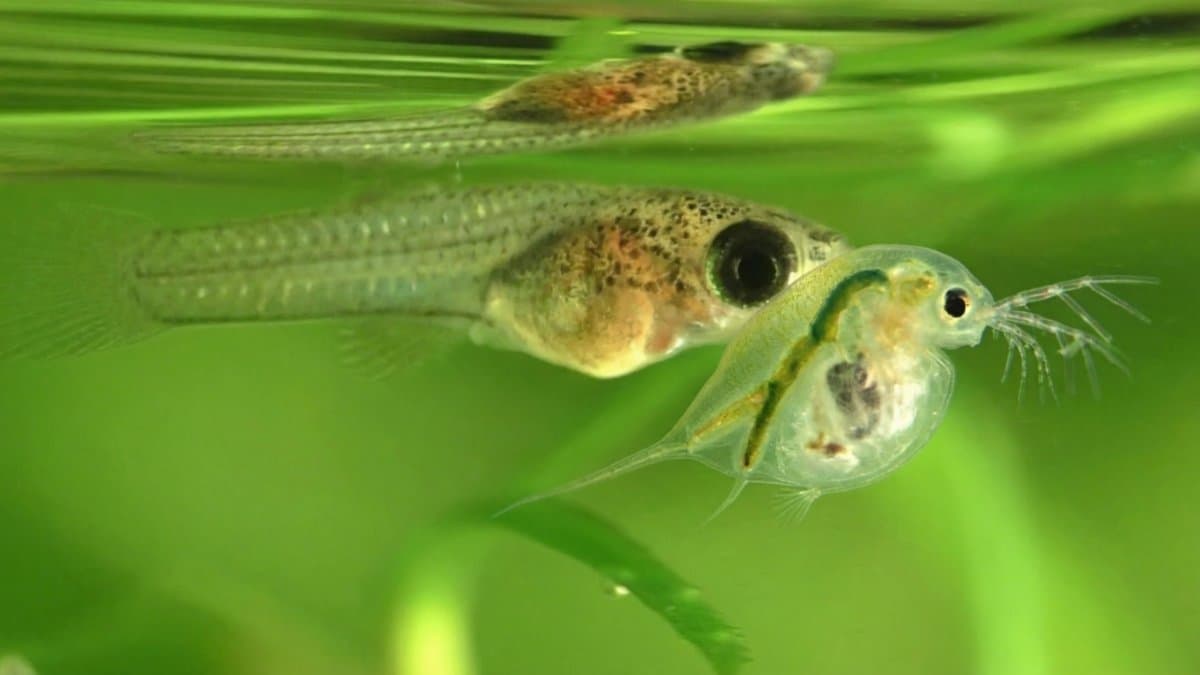
A simple but powerful ecological truth: No Aquatic Microfauna = No Fish.
Aquatic microfauna are not just small animals living in water — they are the central hub of the freshwater food web. These organisms (< 2–3 mm), including rotifers, cladocerans (like Daphnia), copepods, and ostracods, transfer energy from the microbial world (bacteria, algae, protozoa, detritus) to higher-level consumers such as macroinvertebrates, fish larvae, juvenile fish, frogs, and waterbirds.
Removing or severely reducing microfauna triggers a trophic cascade — a chain reaction that can destabilize the entire aquatic ecosystem. This concept is strongly emphasized in the work of Dr. Robert Walsh, who has spent years studying these overlooked organisms.
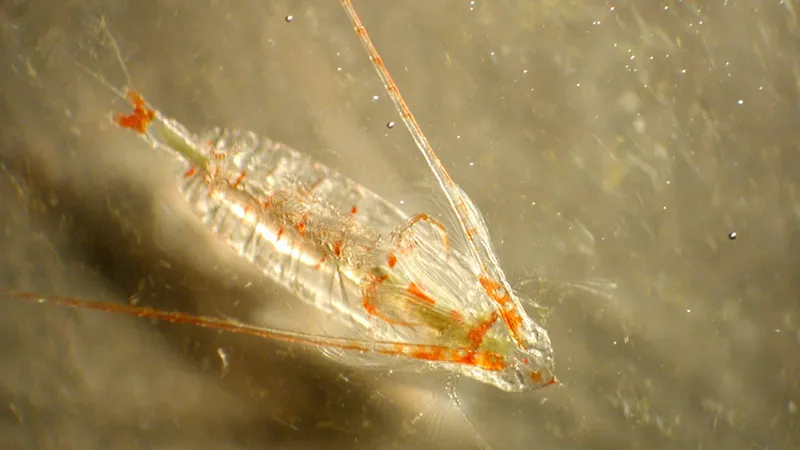
The Central Position in the Food Web
Microfauna operate at multiple trophic levels:
As Primary Consumers / Grazers: Most cladocerans and many copepods and rotifers feed on bacteria, phytoplankton, protozoa, and detritus. A single Daphnia can filter and consume thousands of cells per day.
As Predators: Larger cyclopoid copepods actively hunt rotifers, smaller crustaceans, mosquito larvae, and even early-stage fish fry.
As Prey: They form a critical food source for macroinvertebrates, small fish species, larval and juvenile fish, and young waterbirds.
This dual role makes them the “larder” of freshwater ecosystems — converting microscopic production into nutritious animal biomass that supports larger life forms.
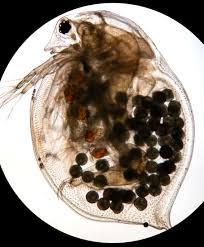
Daphnia carrying eggs — an important prey item for juvenile fish.
The Fish Fry Connection — A Critical Link
One of the most striking examples is the relationship between microfauna and fish recruitment:
Many cyclopoid copepods prey on 1–2 day old fish larvae.
Studies show that in some cases, micro-crustaceans can cause up to 90% mortality in carp fry and other fish larvae.
Conversely, when microfauna are abundant, they serve as the primary food source for fish larvae and juveniles, significantly improving survival rates.
Dr. Robert Walsh notes in his documents that microcrustaceans eat 1–2-day-old fish larvae, while in turn serving as essential prey for larval, juvenile, and small fish species (such as rainbowfish, gudgeon, smelt, and galaxiids).
Without sufficient microfauna, fish larvae often starve or suffer high predation pressure from other sources, leading to poor fish recruitment and declining populations.
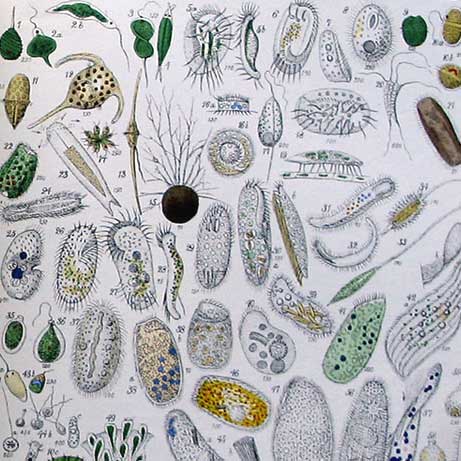
Broader Trophic Cascade Effects
The impact goes far beyond fish:
Amphibians: Predatory ostracods can consume frog eggs with mortality rates up to 90%.
Insect Control: Certain copepods are effective natural predators of mosquito larvae.
Waterbirds: Young ducks, geese, and swans rely heavily on micro-crustaceans for protein-rich diets.
Water Quality: Reduced grazing by microfauna leads to uncontrolled algal blooms, reduced water clarity, and oxygen depletion.
In short, microfauna maintain balance across the entire ecosystem. Their decline creates a domino effect — fewer grazers → algal blooms → poorer water quality → less food for fish and birds.
Relevance to Pakistan’s Freshwater Systems
In Pakistan, many river, canal, and fish pond systems show very low microfauna diversity. Factors such as:
Heavy pesticide and fertilizer use
High water flow in canals (which displaces these passive swimmers)
Pollution and turbidity
…all contribute to this decline. My student’s thesis findings — absence of microfauna in several river and canal sites — perfectly illustrate this problem. Without restoring healthy microfauna populations, sustainable fisheries and healthy wetlands will remain difficult to achieve.
Conclusion
The message is clear and scientifically grounded:
Aquatic microfauna are the invisible foundation and the critical link that sustains fish populations and overall freshwater biodiversity.
Protecting them through better monitoring, reduced pesticide runoff, and habitat conservation (especially in standing and temporary waters) is one of the most effective ways to support healthy aquatic ecosystems.
Recommended Expert Resource:
For deeper understanding, species identification, and practical guidance, explore the extensive work and beautiful photographs of Dr. Robert Walsh at:
www.australianwaterlife.com.au
His documents provide excellent scientific references and real-world insights into microfauna ecology.