Miniature Ponds & Urban Wetlands: Why Biodiversity Needs Them
Admin
February 27, 2026
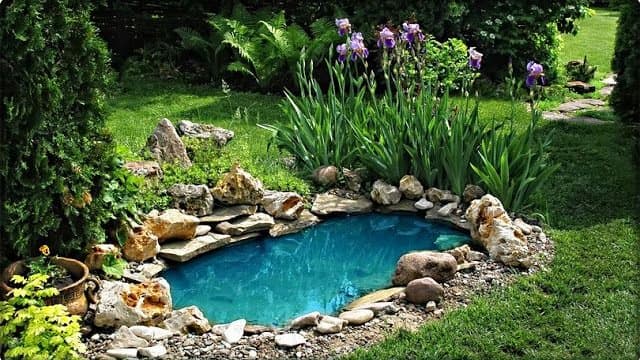
Miniature Ponds and Urban Wetlands: Nature's Blueprint for Biodiversity
The world is facing climate disruption at an alarming scale. Floods swallow entire districts, smog chokes city air, and heatwaves push temperatures to barely survivable limits. These are not rare events — for millions, they are a seasonal reality.
Our response has leaned heavily on mega-infrastructure — dams, embankments, concrete drainage. But in doing so, we've consistently overlooked some of nature's quietest allies: miniature ponds and urban wetlands. These modest water bodies may hold the key to protecting biodiversity, stabilising our water cycles, and building genuine climate resilience — one small pond at a time.
Why Small Ponds Are Biodiversity Powerhouses
Ecologists worldwide have found something remarkable: small ponds, some no larger than a village courtyard, store more carbon per unit area than lakes or rivers. That alone should make them central to any serious environmental strategy.
But the benefits don't stop there. These miniature water bodies slow rainwater runoff, reduce flood peaks, recharge aquifers, trap sediments, and filter pollutants — acting, quite literally, as the kidneys of the landscape. More importantly, they support extraordinary biodiversity.
The Goldilocks Zone for Wildlife
Research shows biodiversity actually peaks in 'mid-sized' ponds — neither small enough to dry out seasonally nor large enough for predators to dominate the ecosystem. Amphibians, insects, pollinators, and waterfowl all rely on these spaces to breed, feed, and migrate.
This principle of moderation offers a genuinely useful lesson for designing more resilient urban and rural landscapes — and it's one that modern planners continue to ignore.
The Hidden Cost of Destroying Urban Wetlands and Rural Ponds
Urban expansion is erasing natural water buffers across continents. As cities grow rapidly, the green patches and shallow depressions that once held rainwater get paved over, built on, or simply forgotten. Each lost pond removes a sponge that absorbed stormwater, filtered pollution, and cooled surrounding air.
The result is predictable but devastating: when monsoon rains, cyclones, or cloudbursts arrive, flash floods tear through cities that have lost their capacity to breathe.
Rural Ponds: Once Vital, Now Neglected
In rural regions, village ponds historically watered livestock, recharged soils, and hosted rich habitats in wetlands — frogs, fish, waterfowl, insects. Today, many of these ponds are choked with waste, filled for construction projects, or abandoned as 'unhygienic'.
By dismantling these systems, communities have quietly removed ecological safety nets that served them for centuries. These aren't just environmental losses — they're social and economic ones too.
The Cultural Services of Biodiversity: Mental Health and Community Wellbeing
Pond loss is far more than an ecological problem. One of the most underappreciated cultural services biodiversity provides is its direct benefit to human mental health and community wellbeing.
Urban ponds reduce stress, encourage physical activity, and offer genuine recreational space. In polluted, crowded cities, a neighbourhood pond provides shade, cooler air, and a tangible connection to the natural world. Children who grow up near such spaces tend to develop a richer relationship with life beyond screens.
With anxiety, depression, and extreme heat rising globally, these green-blue refuges are not luxuries — they are necessities. Communities with access to well-maintained ponds and wetlands enjoy cleaner air, lower ambient temperatures, and stronger social bonds.
Simply put: small wetlands deliver multiplied social, psychological, and environmental benefits. That is the full promise of cultural services biodiversity — and it's being wasted.
What Water Conservation Facts Tell Us About Pond-Based Solutions
Many countries are quietly rediscovering what traditional societies always knew about water conservation. The numbers are compelling.
The United Kingdom now formally recognises millions of garden ponds as a national biodiversity resource. Cities like Portland and Philadelphia in the United States use stormwater ponds to reduce flooding and naturally clean water. China's ambitious 'sponge cities' initiative integrates artificial wetlands and ponds to absorb rainwater and mitigate urban flood risks.
Water Conservation Facts Worth Knowing
⦁ Small ponds store more carbon per square metre than most lakes or rivers
⦁ A single healthy pond can absorb thousands of litres of stormwater during a heavy rain event
⦁ Restored wetlands reduce downstream flood peaks by up to 60% in some studies
⦁ Urban ponds can lower surrounding air temperature by 2–4°C, reducing urban heat island effect
⦁ Wetland habitats support over 40% of the world's species despite covering less than 3% of Earth's surface
These aren't marginal gains. They are meaningful, measurable outcomes that make ponds among the most cost-effective climate adaptation tools available.
How to Bring Urban Wetlands and Ponds Back
The good news is that solutions already exist — and many are already being tested successfully. Here's what governments, urban planners, and communities can do right now:
1. Mandate stormwater ponds in new developments. Require housing estates, industrial zones, and road projects to include wetlands and ponds as core infrastructure, not optional features.
2. Revive rural ponds as communal assets. Clean, fence, and properly maintain village ponds so they serve livestock, recharge groundwater, and support habitats in wetlands once more.
3. Bring ponds into schools and universities. Living pond laboratories teach students about climate, biodiversity, and water cycles in a way no textbook can.
4. Map and legally protect urban wetlands. Ban unnecessary drainage or filling for construction and treat ponds as ecological infrastructure, not vacant land.
5. Use ponds for citizen science. Community-led water quality and biodiversity monitoring generates real data, builds local ownership, and deepens engagement with nature.
Frequently Asked Questions
What role do urban wetlands play in supporting biodiversity?
Urban wetlands act as critical refuges for wildlife in built-up environments. They provide habitats in wetlands for amphibians, insects, birds, and aquatic species that would otherwise have nowhere to go. Beyond supporting biodiversity, they filter pollutants, reduce flood risk, and cool surrounding areas — making them essential components of any climate-smart city.
What are the most important water conservation facts about ponds?
One of the most striking water conservation facts is that small ponds store more carbon per unit area than lakes or rivers. They also absorb stormwater during heavy rainfall, recharge underground aquifers, and can reduce downstream flood peaks by up to 60%. Despite their small footprint, their hydrological impact is significant.
How do ponds contribute to cultural services of biodiversity?
The cultural services biodiversity provides through ponds are often overlooked. Access to pond and wetland spaces has been linked to improved mental health, reduced stress, greater community cohesion, and better physical wellbeing. In dense urban areas, a neighbourhood pond serves as a natural sanctuary — cooling the air, offering shade, and reconnecting people with the natural world.
Why is climate resilience linked to restoring miniature ponds?
Climate resilience depends on distributed, nature-based systems that absorb shocks rather than simply resisting them. Miniature ponds slow water flow, recharge soils, reduce heat, and stabilise local microclimates. They are inexpensive to create and maintain, and they deliver compounding benefits over time — making them one of the most practical tools available for community-level climate adaptation.
Conclusion: Listen to Your Ponds
For decades, societies have tried to outbuild climate change with concrete. It hasn't worked. The answer was always closer to home — in the shallow, shimmering surfaces of ponds and wetlands that once dotted every landscape.
Restoring and protecting urban wetlands and miniature ponds is not nostalgia. It is strategy. These modest water bodies regulate water cycles, shelter extraordinary biodiversity, deliver powerful cultural and social benefits, and offer one of the clearest paths toward genuine climate resilience available to us.
Cities are growing fast. They need not suffocate. Bring water back — not as disaster, but as design. Choose ecology over concrete vulnerability. If humanity is to withstand the storms and heat of this century, it must start by listening to its ponds.