Meet the First New Cat Species Discovered in 100 Years: The Story of the Tilcayo Cat
Amna Razzaq
September 20, 2026
It All Started With a Kitten on a Road
Back in 2017, a Bolivian biologist named Paola Nogales-Ascarrunz got a call from a local wildlife sanctuary in the Yungas region of Bolivia. A man had found a kitten wandering near a forest and, assuming it was a stray domestic cat, brought it home. He raised it for about a year before realizing the animal was clearly wild not a housecat at all and handed it over to the Senda Verde Animal Refuge.
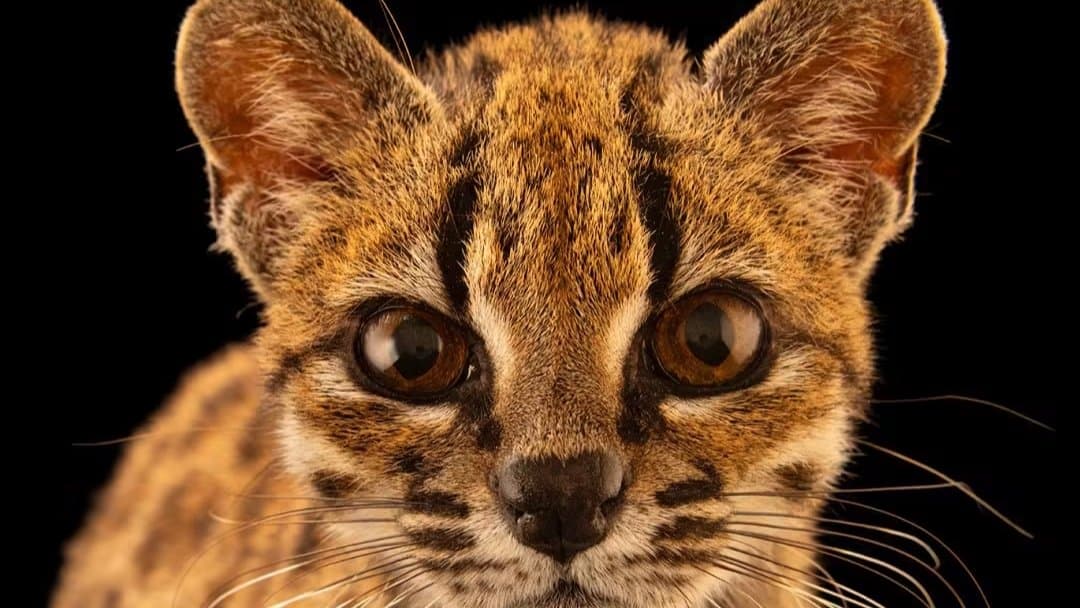
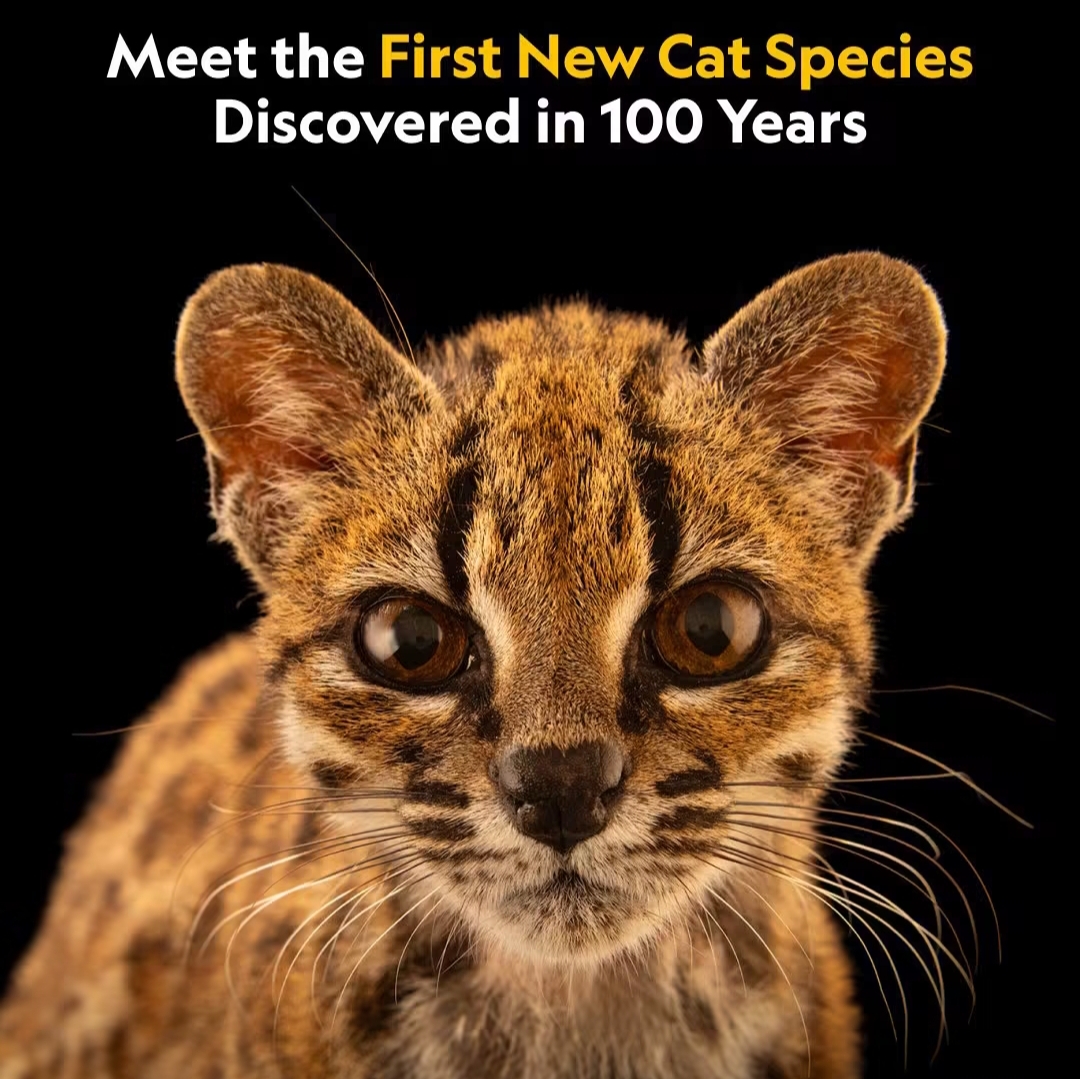
That's where Nogales-Ascarrunz came in. As founder of the Bolivian Felids Research Program, she was intrigued the moment she saw the animal. It had leopard-like spots, a small, scrunched-up face, rounded ears, and long whiskers but it didn't quite match any known species in the region. Most reference descriptions of South America's small spotted cats, known as "tiger cats," were based on Brazilian specimens. This Bolivian cat simply didn't fit the mold.
That mismatch was the beginning of nearly a decade of research.
Nine Years, 38 Cats, and a DNA Puzzle
To figure out exactly what this animal was, Nogales-Ascarrunz and an international team of researchers didn't just study the one cat they analyzed DNA from 38 tiger cats collected across several South American countries, including eight museum specimens. Comparing genetics across that many individuals let them map out, in far more detail than ever before, how these small spotted cats are actually related to one another.
The result was surprising: what scientists had long treated as a single species of tiger cat turned out to actually be five genetically distinct species. One of those five had never been described at all the cat living at Senda Verde. The team gave it the scientific name Leopardus tilcayo, borrowing the word local Bolivian communities have long used for the animal. When researchers asked locals where the name came from, the answer was refreshingly simple: nobody quite knew it was just what their grandparents had always called it.
The findings were published in the journal Current Biology, officially making the tilcayo cat the first new living cat species described by scientists since the pampas cat in 1923.
What Does the Tilcayo Cat Actually Look Like?
Despite its fierce, leopard-print coat, the tilcayo cat is tiny. Fully grown, it measures around 18 inches (45 cm) from head to body and weighs about 3 pounds (1.3–1.4 kg) genuinely smaller than the average housecat. Compared to its closest relative, the oncilla (also called the northern tiger cat), the tilcayo has larger spot markings, a longer and more slender tail, and a more muted, subdued fur color.
It's found in Bolivia's Yungas a humid, cloud-covered forest ecoregion running along the eastern slope of the Andes, right where the mountains meet the Amazon basin. It's a rugged, largely under-studied part of the world, and one that's home to an extraordinary number of species found nowhere else on Earth.
A Species We Barely Know Anything About
Here's the part that makes this discovery even more remarkable: scientists currently have almost no data on how tilcayo cats actually live in the wild. What they eat, how they reproduce, what preys on them, how many exist, how widely they're spread across the Yungas all of it is still unknown. So far, the species has only been confirmed in Bolivia, though the same cloud forest ecoregion stretches into Peru and northern Argentina, so it's possible the tilcayo's range extends further than researchers currently know.
Right now, there's only one known individual living in human care the same male originally rescued as a kitten, now living at Senda Verde. A separate female tilcayo was reportedly rescued after being attacked by local villagers and was released back into the wild, but researchers have no way of tracking her.
To start closing that knowledge gap, Nogales-Ascarrunz is installing camera traps throughout the Yungas forest, hoping to capture footage of tilcayo cats living freely in their natural habitat something that, remarkably, has never been documented.
Why This Discovery Matters Beyond Just One Cat
New mammal species are named more often than people might assume researchers add roughly 65 new mammal species to the books every year. But most of those come from splitting an existing species after genetic testing reveals hidden diversity within a population that already had a name. A genuinely new, previously undocumented species especially one as large and visible as a cat is a different story entirely, and considerably rarer.
Researchers involved in the study say the approach used here combining historical museum specimens with genetic samples from living animals could be applied to other, poorly studied cat populations around the world. In other words, the tilcayo cat might not just be a fascinating one-off discovery. It could be a preview of more hidden cat species waiting to be identified using the same methods.
The Bigger Picture
The tilcayo cat's story is really a reminder of how much is still unknown about the natural world, even among animals as iconic and well-loved as cats. It took a chance phone call, a persistent scientist, nearly ten years of genetic detective work, and one very confused local family who thought they'd adopted an ordinary kitten. From that unlikely chain of events came the first new wild cat species named by science in over 100 years and quite possibly, a roadmap for finding more.