Meet Daphnia: The Tiny Water Flea That Keeps Freshwater Ecosystems Alive
Swera Batool
June 6, 2026
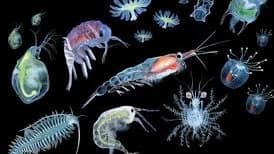
Ask most people what comes to mind when they think about a freshwater ecosystem, and you'll probably hear fish, frogs, turtles, maybe a pond covered in lily pads. Almost nobody mentions the organisms you can't actually see without a microscope. And yet some of the busiest, most important residents of any pond, lake, river or canal are exactly that small. Biologists call this group micro-fauna, and without them, the whole system would struggle to function.
Daphnia is a perfect example. People usually call it the water flea, though it isn't a flea in any real sense. It's a freshwater crustacean, and a fairly common one at that, belonging to the zooplankton group that drifts through lakes and ponds everywhere. It doesn't look like much. But size has very little to do with how much Daphnia actually matters to a freshwater ecosystem. The more researchers study pollution and biodiversity loss, the more Daphnia turns up as one of the most reliable indicators we have for judging how healthy a body of water really is.
The Hidden World of Freshwater Micro-fauna
Every aquatic food web rests on a foundation most people never think about: a layer of organisms so small they're easy to overlook entirely. Protozoa, rotifers, copepods, cladocerans. Together, this group recycles nutrients, moves energy up the food chain, and keeps water quality from tipping out of balance.
Daphnia falls into the cladoceran group, and you'll find it nearly anywhere there's standing freshwater: ponds, lakes, reservoirs, irrigation canals, even puddles that only exist for a few weeks after heavy rain. A single Daphnia rarely grows past a few millimeters. On its own, that's nothing. In the kind of numbers Daphnia usually shows up in, though, it becomes a real ecological force.
What Makes Daphnia Unique?
A Transparent Body Built for Discovery
One of the strangest things about Daphnia is that you can see straight through it. Slide one under a microscope and its insides are basically on display: the gut working through a meal, the heart pumping, even embryos developing inside the brood pouch. It's the kind of detail that makes Daphnia a favorite subject in biology classrooms, not just research labs.
How It Moves and Feeds
Daphnia swims in short, jerky bursts, kicking its antennae the way a flea hops, which is where the nickname comes from. While it's moving, it's also eating: filtering algae, bacteria, and tiny bits of organic debris straight out of the water around it. That feeding habit ends up doing two jobs at once. It keeps Daphnia alive, and it keeps algae from taking over.
Nature's Water Filter
Because Daphnia feeds by filtering, it ends up acting as one of the most efficient natural water-cleaning systems freshwater habitats have. A few things happen as a direct result:
Algae growth stays under control instead of spiraling
Water stays clearer
Nutrients get recycled back into the system
The broader ecosystem stays in balance
A Critical Link in the Food Web
Daphnia eats algae and bacteria, sure. But it's also lunch for almost everything bigger than it. Fish larvae, juvenile fish, aquatic insects, other invertebrates: all of them rely on Daphnia as a go-to food source. That's actually the reason Daphnia fish food shows up so often in the aquarium hobby. Plenty of fish keepers maintain their own small Daphnia culture setups just so they always have live food ready for fry or fish too delicate for flakes and pellets.
In nature, that same relationship puts Daphnia right in the middle of the food chain, between the producers at the bottom and the predators further up. So when Daphnia numbers fall, it isn't an isolated problem. It shows up everywhere else in the chain too.
Why Scientists Study Daphnia
Daphnia has become something of a workhorse species in environmental research, and it's not hard to see why.
Features That Make It Ideal for Lab Studies
Short life cycle
Reproduces quickly
Easy to keep alive in a lab
Reacts strongly to environmental changes
Responds fast to pollutants
Put those traits together and you get an organism researchers can use to test how pollutants or environmental changes affect aquatic life, often within weeks rather than years. That's why Daphnia keeps showing up in water-quality studies, ecotoxicology research, and work on climate change's effects on freshwater systems.
Daphnia as a Bioindicator Species
Researchers also use Daphnia as a bioindicator: a species whose health says something about the health of its surroundings. When pollutants enter a freshwater system, Daphnia tends to react first, through shifts in survival rates, growth, reproduction, or behavior. Because the response comes fast, scientists can catch warning signs of contamination before the damage spreads further. In a lot of ways, Daphnia functions like an early alarm system for pollution nobody's noticed yet.
Environmental Threats Facing Daphnia
Daphnia is ecologically valuable, but that doesn't make it immune to harm. Agricultural runoff, pesticide residue, excess nutrients, and habitat loss all chip away at Daphnia populations over time. Chemical pollutants entering rivers and canals can change how Daphnia behaves, lower its reproductive success, or kill it outright.
Because Daphnia holds such a central spot in the food web, problems with its population rarely stay contained. A drop in Daphnia numbers can eventually work its way into fish populations, biodiversity, and the broader functioning of the ecosystem.
Tiny Organism, Big Ecological Importance
If nothing else, Daphnia proves that ecosystem health isn't only a story about the big, charismatic species. Some of the most important ecological work gets done at a scale most people never bother to look at.
Daphnia filters water, props up food webs, recycles nutrients, and gives scientists a practical way to track environmental quality. That's a lot of responsibility for something you can barely see. Protecting organisms like Daphnia isn't a side issue. It's part of what keeps freshwater ecosystems functioning at all.
Conclusion
Daphnia touches nearly every process that holds a freshwater ecosystem together. It's rarely longer than a few millimeters, yet it carries far more ecological weight than its size suggests. As environmental pressure on freshwater systems keeps growing, paying attention to organisms like Daphnia matters more, not less.
If there's one thing Daphnia teaches, it's that an ecosystem's health usually comes down to the small, unnoticed organisms doing their work quietly, not the largest ones getting all the attention. In the hidden world of freshwater micro-fauna, few species pull as much weight, or deserve as much attention, as Daphnia.