Invisible Victims: How Pesticides Affect Freshwater Microfauna
Swera Batool
June 20, 2026
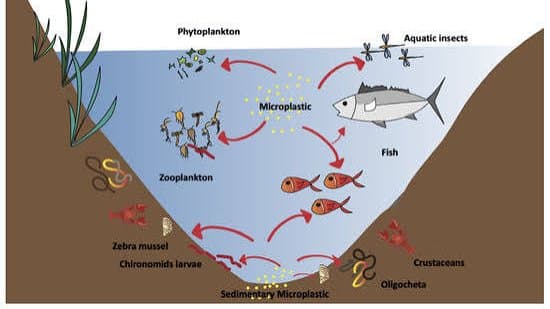
Most people think of pesticide pollution in terms of its effect on crops, soil, fish or birds. But some of the first living things to be affected by these chemicals are often too small to see. Freshwater microfauna are a diverse community of microscopic organisms that live beneath the surface of ponds, lakes, canals and reservoirs. While rarely seen, these tiny creatures are critical for the health of aquatic ecosystems.
The microfauna of fresh water consists of organisms like protozoa, rotifers, copepods and cladocerans. Together they recycle nutrients, transfer energy through food webs and help to maintain water quality. They may be small, but they support many of the ecological processes that keep freshwater ecosystems functioning.
With the increase of agricultural activities, pesticides are increasingly being delivered to aquatic environments. The chemicals are intended to target agricultural pests but can also have unintended effects on the microscopic organisms that make up the base of freshwater biodiversity.
The Journey of Pesticides into Freshwater Systems
Pesticides are widely used to increase farm productivity and protect crops from insects, weeds and other pests. But these chemicals don’t necessarily stay put.
After rainfall or irrigation, pesticide residues may be carried by runoff to nearby canals, ponds, rivers and lakes. When these contaminants enter the aquatic environment, they are incorporated into the environment where numerous organisms are exposed.
Unlike larger animals that can move away from contaminated areas, many freshwater microfauna live their entire life in the water column. This leaves them particularly vulnerable to pollution and often the first organisms to be affected by it.
The Hidden Importance of Freshwater Microfauna
Freshwater microfauna often go unnoticed because they’re so small. But these organisms play many ecological roles that are critical for the stability of the ecosystem.
Many species feed on algae, bacteria and suspended organic matter, helping to keep nutrient levels in check and improve water quality. Others are a major food source for fish larvae, aquatic insects, and other organisms higher up the food chain.
Of these, Daphnia (often called the water flea) has become one of the best known members of the freshwater microfauna. Daphnia are only a few millimetres long, but they are instrumental in controlling algal growth and transferring energy up food webs in aquatic habitats.
When pesticides contaminate these organisms, the effects can reverberate far beyond the microscopic realm.
More Than Just Survival
Most people think that pollution doesn't become a problem until organisms start to die. In fact, environmental stress will manifest much sooner.
Pesticide levels might not be instantly fatal but can influence growth, feeding activity, reproduction and general health. Due to their small size and constant contact with the surrounding water, freshwater microfauna are particularly vulnerable.
For organisms like Daphnia, decreased reproductive success can be very serious. Less offspring means smaller populations and smaller populations can cause imbalance in whole ecosystem.
These small changes could, over time, affect biodiversity, food availability and ecosystem functioning.
When Behavior Reveals a Problem
One of the most exciting discoveries in environmental science is that behaviour often changes before any obvious physical damage is visible.
Scientists have discovered that fresh water organisms can change their normal activity when under environmental stress. Changes in locomotion, feeding habits and swimming behaviour might be early warning signs of contamination.
Swimming is essential for Daphnia to find food, avoid predators and survive in changing environments. Pollutants that interfere with these processes may reduce the ability of the organism to function normally.
These behavioural responses offer researchers valuable information regarding the health of the ecosystem and can aid in identifying environmental problems before larger impacts are observed.
Small Creatures, Big Ecological Consequences
Freshwater microfauna are important for reasons other than only their own survival. These organisms play important roles in aquatic food webs.
Microfauna are a food supply for many invertebrates, aquatic insects, fish larvae, and juvenile fish. Microfauna also aid in the cycling of nutrients and help regulate tiny algae.
The consequences can extend across the environment when pesticide pollution lowers their abundance or modifies their behaviour.
Ecological equilibrium may be upset, algal populations may rise, and higher organisms' access to food may decline. A issue that initially affects microscopic creatures may later harm the freshwater community as a whole.
Why Scientists Pay Attention to Daphnia
Daphnia is now one of the most frequently employed species in environmental study among freshwater microfauna.
Daphnia is valued by scientists due of its short life cycle, fast reproduction, and quick response to environmental changes. It is a perfect organism to study how pollutants affect freshwater ecosystems because of these qualities.
Daphnia is frequently used as a bioindicator species by researchers due to its extreme sensitivity to water quality. Before more significant ecological effects become noticeable, changes in an organism's survival, reproduction, development, or behaviour can indicate environmental stress.
Daphnia serves as an early warning system for freshwater pollution in numerous ways.
Looking Beneath the Surface
Large animals and their obvious habitats are frequently highlighted when talking about environmental conservation. However, some of the most significant ecological processes rely on uncommon creatures.
In addition to improving water quality, recycling nutrients, and supporting food webs, freshwater microfauna also contribute to the stability of ecosystems. Although most individuals may not be able to see their contributions, their significance cannot be emphasised.
Knowing how pesticides affect these small organisms is crucial as long as they are used worldwide. In addition to preserving fish, birds, and wetlands, protecting freshwater environments also means preserving the microscopic organisms that enable aquatic life.
The next time we gaze at a lake, canal, or pond, it is important to keep in mind that there is a whole hidden world beneath the surface. The health of that invisible world may ultimately determine the health of the ecosystem itself.