If the Frogs Go Silent, Nature Is Sending Us a Warning
Swera Batool
July 15, 2026
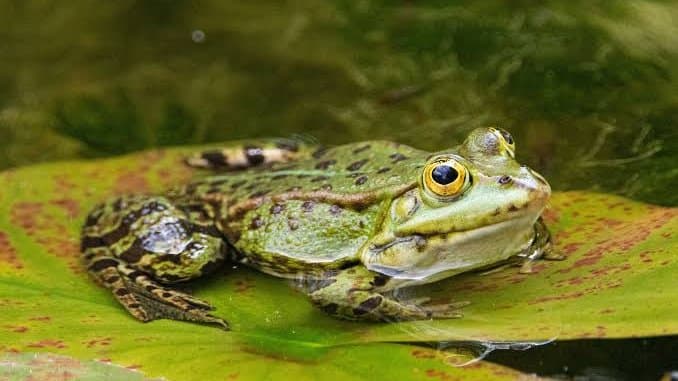
When people think about wildlife conservation they tend to think of elephants, tigers or eagles. Frogs don’t get as much attention. However, these tiny amphibians are some of the best indicators of environmental health. Their presence, or lack of it, can tell us more about the health of an ecosystem than many larger animals can. Frog populations worldwide are declining at an alarming rate. “This is one of the clearest signs that freshwater ecosystems are coming under increasing pressure from pollution, habitat loss, climate change and disease,” scientists say. The decline of frogs is not just a wildlife issue it’s an alert that the natural systems on which we all rely are beginning to shift.
Why Frogs Are So Important
Frogs are amphibians, living both in water and on land, and are a vital link between aquatic and terrestrial ecosystems. As tadpoles they eat algae and organic matter, helping to keep ponds and wetlands healthy. Adults eat plenty of insects, which includes mosquitoes and agricultural pests. Frogs also serve as an important food source for birds, snakes, fish and mammals. Because frogs are so central in the food web, changes in frog populations can ripple out to affect many other species. Healthy ecosystems often have healthy frog populations.
Nature's Early Warning System
Frogs are called bioindicators by scientists because they are quick to show the results of changes in the environment. Frogs have thin skin that is permeable , allowing them to soak up water from their environment ( unlike mammals ) . This makes them very vulnerable to pollution and changes in the quality of the water. Even small amounts of toxic chemicals can affect how they grow, reproduce, or survive.
When frogs start disappearing from an area, scientists will usually examine the state of the surrounding environment. "Frogs often show ecological problems long before they become visible elsewhere.

Pollution and Habitat Loss
Increasing urban sprawl, agricultural runoff, pesticides and industrial waste all represent growing threats to freshwater habitats. Such pollutants enter ponds, rivers, wetlands and canals, where they can affect every stage of a frog's life cycle.
Habitat loss is another big challenge. Wetlands are drained, ponds are lost, forests felled and natural breeding sites fragmented by roads and buildings. Frogs require safe habitat for reproduction and development to complete or the populations slowly decline.
Amphibians need more than clean water they need healthy surrounding habitats to survive.
Climate Change Adds More Pressure
Changing weather patterns are making life even harder for frogs. Changing rain patterns can dry out breeding ponds before tadpoles fully develop. Warmer temperatures alter the breeding season and reduce available habitat. Floods, droughts and extreme weather events increase environmental stress. Many species of frogs just can’t keep up with the rapid changes in their environment.
Why Their Decline Matters
Frogs are small and often cryptic, making them easy to overlook. But losing them can have consequences that ripple through entire ecosystems. Less frogs can lead to bigger insect populations, broken food webs, and less freshwater biodiversity. Their disappearance often signals that conditions are becoming unsuitable for many other species as well.
Saving frogs, then, is about much more than just saving one group of animals. It's about protecting the health of our wetlands, rivers, ponds and the myriad of organisms that depend on them.
Small Actions, Lasting Impact
Big projects aren’t the only solution to conservation. Safer habitats for amphibians can be created by restoring wetlands, reducing unnecessary pesticide use, maintaining natural vegetation and improving water quality. Communities are also important here too. Even simple actions like supporting habitat restoration, reducing pollution, and learning more about the local wildlife all help to create healthier freshwater ecosystems. Another opportunity to flourish for frogs and many other species is found in every healthy pond and wetland.
More Than Just an Evening Chorus
The familiar sound of frogs calling after rain is something many of us have grown up hearing. It's easy to take these voices for granted, but they are far more than a seasonal sound.
They tell us the wetlands are functioning, the water is supporting life, the ecosystems are still connected. When these voices begin to die away, we must listen. Frogs are not merely interesting amphibians they are signals of change in the environment. Protecting them is protecting the freshwater ecosystems that sustain biodiversity and ultimately our own future.