How to Eat a Cactus Pear: A Complete Step-by-Step Guide
aiman
August 11, 2026
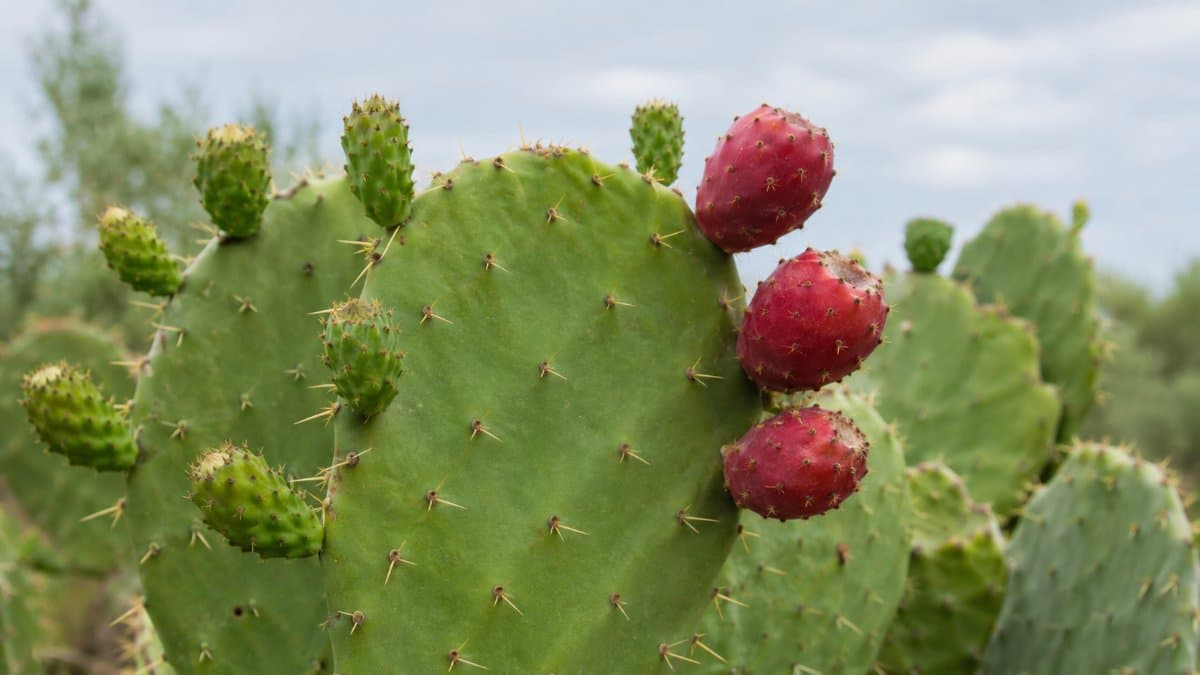
How to Eat a Cactus Pear: A Complete Step-by-Step Guide
To eat a cactus pear (prickly pear), wear thick gloves to handle it, then slice off both ends, make one lengthwise cut through the skin, and peel back the rind to reveal the juicy flesh inside. The flesh can be eaten raw, blended into juice, or used in jams, salads, and cocktails — seeds and skin are typically removed before eating.
Introduction
If you've ever spotted the bright pink or yellow fruit growing on a paddle-shaped cactus and wondered whether it's actually edible, you're not alone. Cactus pears — also called prickly pears or tuna fruit — are one of the most misunderstood fruits in the produce aisle. Their spiny exterior makes them look intimidating, but underneath that prickly skin is a sweet, melon-like flesh that's been eaten across Mexico, the American Southwest, and the Mediterranean for centuries.
This guide walks through exactly how to eat a cactus pear safely, from selecting a ripe fruit to removing the tiny hair-like spines (called glochids) without a trip to the emergency room. You'll also learn how to store, prepare, and use cactus pears in everyday cooking, plus how they compare to other cactus-based foods.
What Is a Cactus Pear?
A cactus pear is the fruit of the Opuntia cactus, commonly known as the prickly pear cactus. It grows directly on the flat, paddle-like pads of the plant and ripens into an oval fruit roughly 2 to 4 inches long. Depending on the variety, the skin can be green, red, purple, or yellow-orange, while the flesh inside ranges from pale yellow to deep magenta.
The flavor is often compared to a cross between watermelon and bubblegum, with a mildly sweet, slightly tart profile. The texture is soft and juicy, similar to a ripe kiwi, and the fruit is packed with small, edible-but-crunchy seeds.
Is It Safe to Eat a Cactus Pear?
Yes, cactus pears are completely safe and nutritious to eat once properly cleaned and peeled. The only real hazard is external: the skin is covered in clusters of nearly invisible barbed spines called glochids, which can easily lodge in skin. Once those are removed and the fruit is peeled, the flesh itself poses no danger and is commonly eaten raw.
Cactus pears are a good source of fiber, vitamin C, and antioxidants called betalains, which give red and purple varieties their vibrant color. They're low in calories and have long been used in traditional diets throughout Mexico and the Mediterranean.
How to Choose a Ripe Cactus Pear
Before preparing a cactus pear, make sure it's actually ready to eat.
Color: Ripe fruit has deep, even coloring — deep red, purple, or golden yellow depending on the variety, with no green patches.
Firmness: It should give slightly when pressed, similar to a ripe peach, not rock-hard.
Skin condition: Look for smooth skin without major bruising, mold, or shriveling.
Smell: A ripe cactus pear has a faint, sweet aroma at the stem end.
If the fruit is still firm and pale, let it sit at room temperature for a day or two until it softens slightly.
How to Eat a Cactus Pear: Step-by-Step
This is the core question most people searching for cactus pear guidance actually want answered — how do you eat prickly pear cactus fruit without getting stuck by spines? Here's the safest, most reliable method.
What You'll Need
Thick kitchen gloves or tongs
A cutting board
A sharp paring knife
A fork (optional, for handling)
Step 1: Handle With Protection
Never touch a raw cactus pear with bare hands. Even fruit labeled "spineless" often has residual glochids. Use thick gloves, a folded kitchen towel, or tongs to hold the fruit steady.
Step 2: Rinse the Fruit
Run the fruit under cold water and gently scrub the surface with a vegetable brush. This helps dislodge loose glochids before cutting.
Step 3: Trim Both Ends
Place the fruit on a cutting board and slice off about a quarter-inch from the top and bottom, exposing the flesh at each end.
Step 4: Score and Peel the Skin
Make one shallow, lengthwise cut through the skin from top to bottom, being careful not to cut too deep into the flesh. Use the tip of the knife to lift an edge of the skin, then peel it away in one motion, rotating the fruit as you go — similar to peeling a banana.
Step 5: Remove and Enjoy the Flesh
Once peeled, the flesh can be eaten straight off the fork, sliced into cubes, or pureed. The small seeds inside are edible, though many people prefer to strain them out when making juice or sauce, since they're quite hard.
How Do You Eat a Cactus Fruit: Serving Ideas
Once you've mastered peeling, there are several ways to enjoy cactus pear:
Raw, fresh-cut: Simply eat chilled cubes as a snack.
Juice or agua fresca: Blend the flesh with water and strain out the seeds for a refreshing drink.
Smoothies: Combine with citrus or tropical fruit for natural sweetness and color.
Jam or syrup: Cook down the pulp with sugar and lemon juice.
Salad topping: Diced cactus pear pairs well with citrus, avocado, and feta.
Cocktails: Prickly pear syrup is popular in margaritas and other cocktails.
Common Mistakes When Eating Cactus Pear
Skipping glove protection. Even a "clean-looking" fruit can carry invisible glochids.
Cutting too deep when scoring the skin. This lets spines transfer onto the flesh.
Eating unripe fruit. Underripe cactus pears are firmer, less sweet, and harder to peel cleanly.
Touching your face while handling. Glochids can transfer easily from gloves or hands to sensitive skin.
Discarding the seeds without straining first. If making juice, blend before straining rather than trying to pick seeds out by hand.
Storing Cactus Pears
Whole, unpeeled cactus pears can be stored at room temperature for a couple of days until ripe, then refrigerated for up to a week. Once peeled, the flesh should be eaten within a day or two, or frozen for longer storage — cubed cactus pear freezes well for future smoothies.
Cactus Pear vs. Other Edible Cactus Parts
Prickly pear cacti offer more than just the fruit. The pads themselves, called nopales, are also edible once the spines are removed, typically grilled or sautéed as a vegetable. It's worth noting that cactus pear (the fruit) and nopales (the pad) require different preparation methods — nopales need their spines scraped off with a knife rather than peeled like the fruit.
This is different from cacti like San Pedro or peyote, which are grown and identified for entirely different, non-culinary purposes and are subject to legal restrictions in many places. If you're researching cactus identification for reasons unrelated to eating fruit, that falls outside general food preparation and involves separate legal and safety considerations.
Frequently Asked Questions
How do I eat a cactus pear if I don't have gloves? Use a thick folded towel, tongs, or even a plastic bag as a barrier between your hands and the spines. Rinsing the fruit first under water also helps loosen surface glochids.
Do you eat the skin of a cactus pear? No. The skin should always be removed before eating — it's tough, often still contains glochids, and isn't pleasant to eat.
Can you eat the seeds in a cactus pear? Yes, the seeds are edible and safe to swallow, though they're hard and slightly crunchy. Many people strain them out when making juice for a smoother texture.
What does a cactus pear taste like? Most people describe it as a mix between watermelon, kiwi, and bubblegum — sweet with a mild tartness, depending on ripeness.
How do you know when a prickly pear cactus fruit is ripe? Ripe fruit has deep, even color, slight softness when pressed, and a faint sweet smell at the stem end.
Can eating cactus pear cause a reaction? For most people, no. However, if any glochids remain on the flesh during preparation, they can cause mouth or throat irritation, so careful peeling is important.
Is cactus pear the same as dragon fruit? No. Dragon fruit comes from a different cactus genus (Selenicereus or Hylocereus) and has a different flavor, texture, and appearance, though both are cactus fruits.
How long does a peeled cactus pear last in the fridge? Peeled cactus pear flesh stays fresh for about 1–2 days refrigerated in an airtight container, or several months if frozen.
Conclusion
Eating a cactus pear looks intimidating at first glance, but the process comes down to three simple steps: protect your hands, trim and peel carefully, and enjoy the sweet flesh inside. Once you've prepared one successfully, cactus pears become an easy, nutritious addition to smoothies, salads, and snacks. The next time you see one at a farmers market or grocery store, you'll know exactly how to turn that spiny fruit into something worth eating.