How to Attract Birds Naturally: 25 Proven Ways to Bring More Birds to Your Yard
admin
July 14, 2026
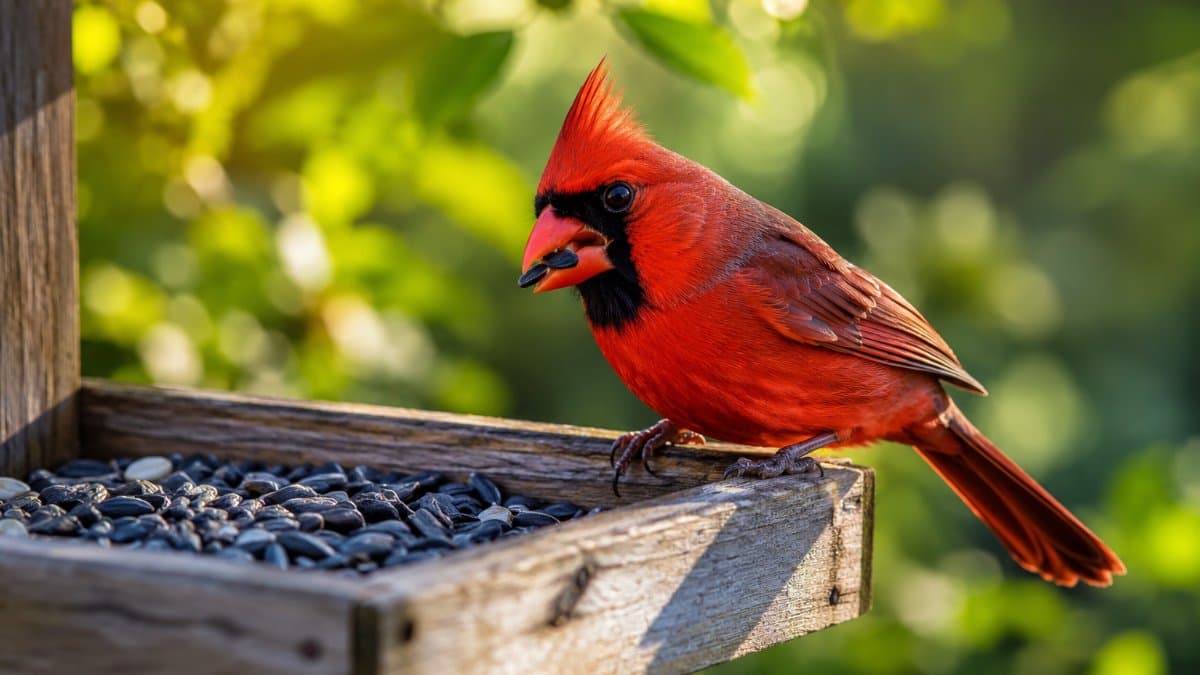
How to Attract Birds Naturally: 25 Proven Ways to Bring More Birds to Your Yard
Local wildlife needs four things to visit and stay in a yard: reliable food, clean water, shelter from predators and weather, and a safe place to nest. Meet all four — with the right feeders, a water source, dense native plants, and a pesticide-free space — and most yards start seeing regular visitors within one to three weeks.
A fresh bag of seed goes into a brand-new feeder, and then... nothing happens for a week. If that sounds familiar, you haven't done anything wrong. You're probably just missing one or two of the conditions your local wildlife actually cares about. A feeder by itself rarely does the job.
This guide covers how to attract birds naturally, using the same small-habitat approach experienced birders rely on: something to eat, something to drink, cover from hawks and neighborhood cats, and a safe spot to raise young.
You don't need acres of land or a big budget to become a magnet for local wildlife. A handful of deliberate changes, often made over a single weekend, are usually enough. Below are 25 field-tested ways to bring more feathered visitors to your yard, garden, or even a narrow balcony, grouped around the handful of things every species is actually searching for
Why Isn't Anything Visiting Your Yard?
Before adding anything new, it helps to understand why the yard you already have might be getting skipped. The most common culprits:
No cover nearby. Most songbirds won't land somewhere they can't reach dense shrubs or trees within a couple of seconds. An open lawn with a feeder in the middle feels exposed and risky.
The wrong food. A single bag of mixed seed dumped into one feeder only appeals to a narrow slice of local species.
No water source. Food gets attention, but water is often what keeps visitors coming back.
Free-roaming cats. Outdoor cats are one of the single biggest reasons a yard gets avoided entirely.
Pesticide use. Lawns and gardens treated with insecticides have far less natural food — insects, larvae, spiders — for anything to find.
What Attracts Birds? The 4 Essentials
Every strategy below fits into one of four categories, and it's worth keeping them in mind before buying anything:
Food — seeds, suet, nectar, fruit, or insects, matched to the species you're hoping to see.
Water — for drinking and bathing, ideally moving or refreshed often.
Shelter — dense plants, brush, or trees for hiding from predators and weather.
Safe nesting sites — cavities, boxes, or thick shrubs for raising young without disturbance.
Choose the Right Bird Feeders
Different feeder styles pull in different visitors, so the fastest way to widen who shows up is to diversify what's hanging in your yard instead of relying on one style.
Tube feeders suit finches, chickadees, and other small songbirds, and their narrow perches naturally discourage larger, pushier visitors.
Platform or tray feeders sit low and open, which works for ground feeders like juncos, doves, and sparrows.
Suet feeders — small wire cages holding a fat-based cake — draw in woodpeckers, nuthatches, and chickadees, especially once the weather turns and extra calories start to matter.
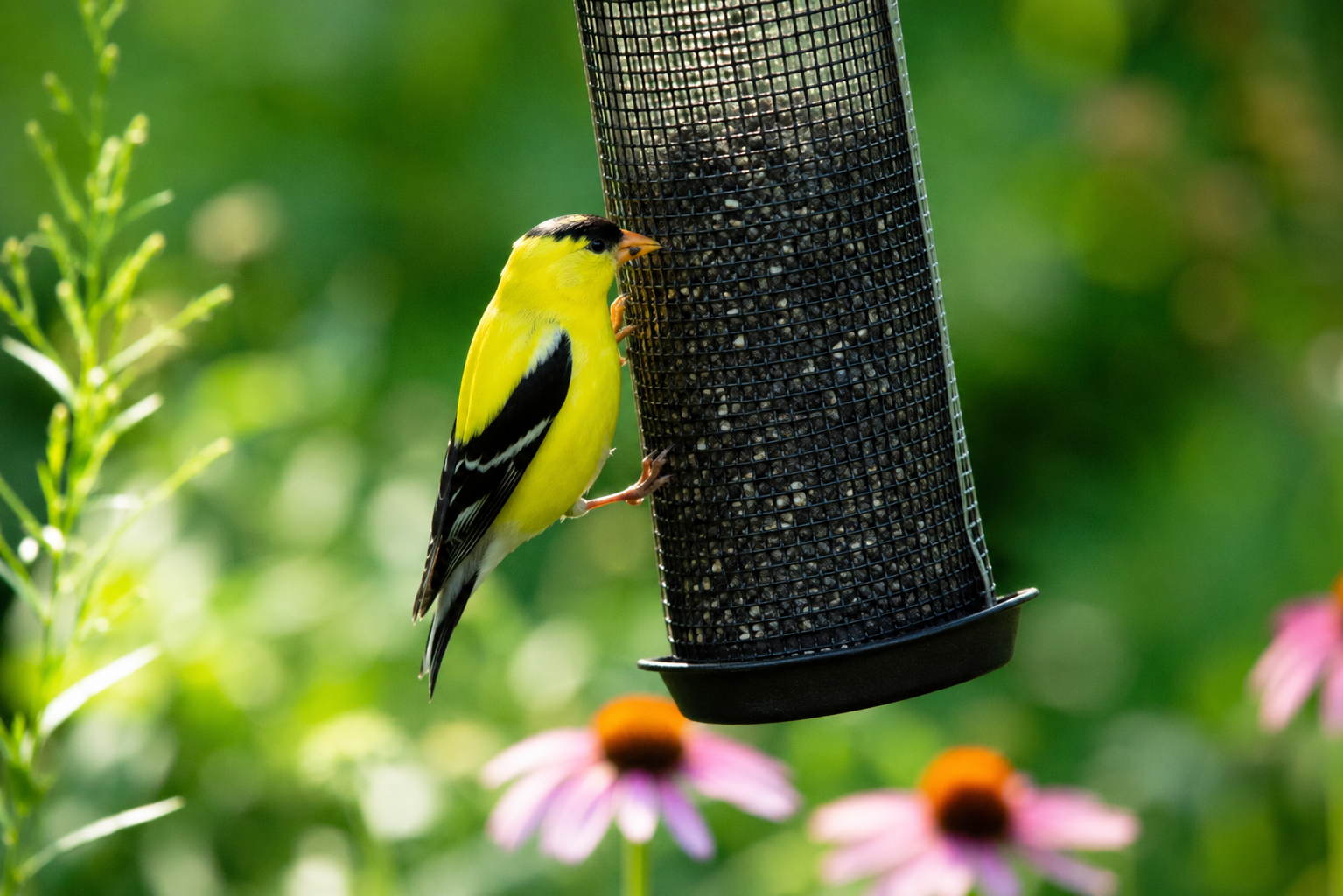
Nyjer (thistle) feeders, with their tiny mesh openings, are the single best way to pull in goldfinches and other finches.
Hummingbird feeders, filled with a simple sugar-water solution, bring in hummingbirds through the warmer months.
Placement matters as much as feeder style. Set feeders roughly 3 feet from cover so visitors have a quick escape route, but 10 to 12 feet from dense shrubs where a cat could ambush from hiding. If you're wondering how to attract birds to a new feeder specifically, patience does most of the work — more on that in the FAQ below.
Offer the Right Food for Different Birds
Once feeders are up, what's inside them decides exactly who shows up. This is often what separates a yard with two or three regulars from one hosting a dozen species.
A few extra notes:
Black oil sunflower seed is about as close to a universal food as it gets — it appeals to more species than any single seed type.
Suet becomes especially valuable in late fall and winter, when insects thin out and extra fat and protein matter most.
Mealworms (fresh or dried) work well for bluebirds, wrens, and robins, none of which typically touch seed.
Nyjer seed needs a feeder built for it — the seeds are too small for standard ports and will just spill and go to waste otherwise.
Fresh fruit and grape jelly are what actually pull in orioles and tanagers; seed alone won't do it.
Add a Water Source
If you only make one change to an already-fed yard, make it this one. Water pulls in species that never visit a feeder at all.
A shallow birdbath, 1 to 3 inches deep with a gently sloped bottom, works for the widest range of visitors. Depth matters more than most people expect — anything deeper tends to discourage smaller species.
Add movement. A small dripper, mister, or solar-powered fountain makes water far more noticeable, since sound and motion carry.
Keep it clean and, come winter, keep it thawed. Stagnant water spreads disease, and a simple heated bath or de-icer keeps water usable once temperatures drop below freezing.
Provide Shelter and Nesting Sites
Food and water bring visitors close, but shelter is what convinces them to stick around — and eventually nest nearby.
Plant dense shrubs, like viburnum or holly, near but not directly beside feeders, so there's quick cover from hawks and other predators.
Leave a brush pile in an out-of-the-way corner. It looks like clutter to us, but to wrens, sparrows, and towhees it's prime real estate.
Install nest boxes matched to the species you're hoping to host — hole size and box height vary a lot between bluebirds, chickadees, and wrens, so it's worth checking specs before buying.
Leave some leaf litter and dead wood in garden beds. It hosts the insects and grubs that many species rely on, especially during nesting season, to feed their young.
Plant Native Plants and Trees
This is the step with the biggest long-term payoff, since native plants attract the insects that young chicks actually need to survive — something a bag of seed can't replace.
Choose native trees and shrubs that produce berries or seed heads, like serviceberry, dogwood, or coneflower, so the plants themselves become a year-round food source.
Stagger bloom times across spring, summer, and fall so there's a steady supply of insects and nectar instead of one short burst.
Resist deadheading everything. Letting coneflowers, sunflowers, and other seed heads stand through fall gives finches and sparrows a natural feeder you never have to refill.
Avoid Common Mistakes That Scare Birds Away
Sometimes the fastest fix isn't adding something new — it's removing what's currently driving visitors off.
Skip pesticides and herbicides. They wipe out the insects local wildlife depends on and can poison animals directly through contaminated prey.
Keep cats indoors or supervised outdoors on a leash or in a catio. Free-roaming cats are consistently cited as one of the top direct threats to backyard wildlife.
Clean feeders and baths every one to two weeks with a diluted vinegar or bleach solution, rinsed thoroughly. Moldy seed and dirty water spread disease fast, especially in warm weather.
Be patient and stay consistent. New feeders and plantings often take one to three weeks to attract steady visitors, since it takes time for a food source to get "discovered" and trusted.
How to Attract Birds to a Balcony or Small YardYou don't need a yard at all to pull this off — plenty of city dwellers do it successfully from a balcony or patio.
Use a window or railing-mounted feeder instead of a hanging one; it brings visitors close enough to watch from indoors.
Add a small, shallow dish of water, refreshed daily — even a saucer works.
Grow container plants that produce seed or nectar, like dwarf sunflowers or salvia, for a natural food source in a small footprint.
Keep noise and movement low near the feeder, especially for the first few weeks, since balcony visitors startle more easily than yard visitors with more escape routes.
FAQ
How long does it take for birds to find a new feeder? Most yards see their first visitors within a few days to two weeks. Most species find new food sources by sight rather than smell, so a feeder in an open, visible spot near cover tends to get discovered faster than one that's tucked away.
What is the single best thing to attract birds? If you can only do one thing, add a water source. It pulls in a wider range of species than any single type of food, since every visitor needs to drink and bathe — not all of them eat seed.
What attracts birds to bird feeders specifically? Fresh, high-quality food matched to local species — usually black oil sunflower seed as a starting point — combined with a feeder placed near cover but away from ambush points like dense shrubs directly beside it.
How do I attract birds to a balcony? Use a small window or railing feeder, add a shallow water dish, and keep a container plant or two nearby for cover. Balcony feeding works best in a relatively quiet spot away from heavy foot traffic.
Do wind chimes or garden decorations scare birds away? Loud, sudden, or reflective decorations can. Motion and sound on their own aren't usually the issue — most visitors tolerate wind chimes just fine — but anything jarring or unpredictable near a feeder can make them wary.
What time of year is best to start attracting birds? Fall and winter are ideal for feeders, since natural food thins out and visitors actively search for reliable sources. Spring is best for adding nest boxes and water, ahead of nesting season.
Why are birds not coming to my feeder even after a few weeks? Check feeder placement (too exposed or too hidden), food freshness (old or wet seed goes uneaten), and whether cats or reflective windows nearby might be discouraging visits.
Conclusion
Attracting birds isn't about buying more gear — it's about meeting the same handful of needs that have mattered to local wildlife all along: food, water, shelter, and a safe place to raise young. Start with one or two changes, like adding a water source or diversifying your feeders, and build from there. Within a few weeks, most yards go from quiet to genuinely busy, and the habitat you've built keeps working long after the novelty wears off for you.