How Long Do Betta Fish Live? Lifespan, Care & Ways to Help Them Live Longer
aiman
August 28, 2026
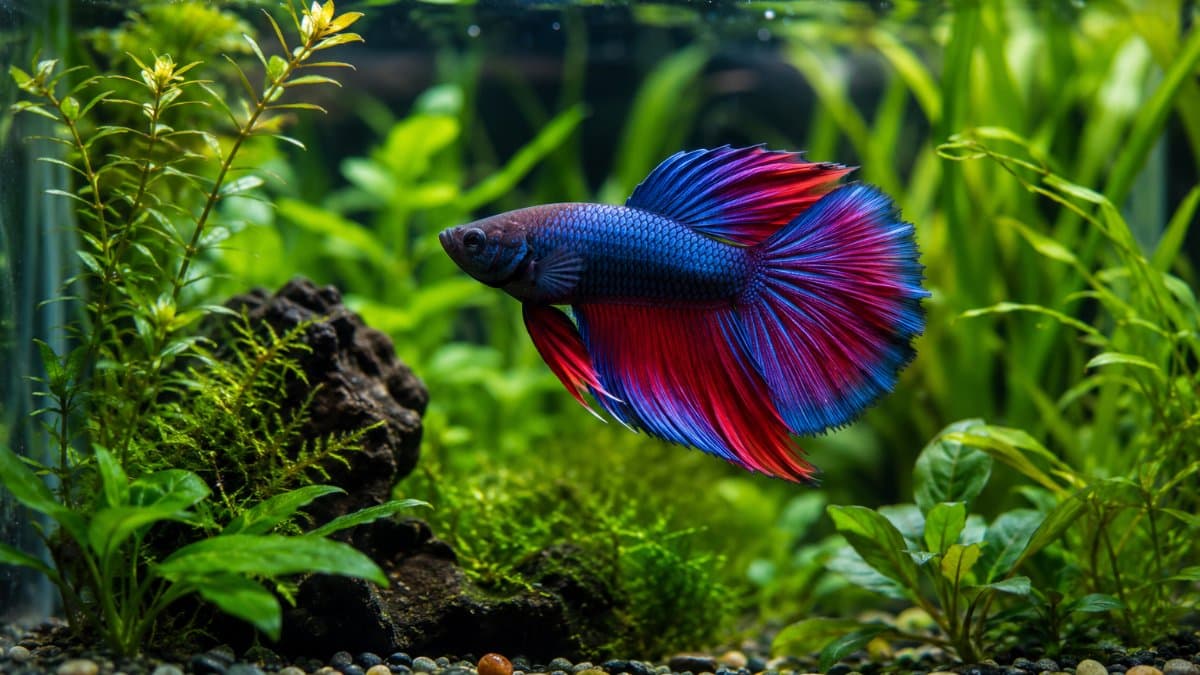
Betta Fish Lifespan Explained: How Long Do Betta Fish Live?
If you've just brought home a betta, you're probably asking the question every owner asks: how long do betta fish live? On average, a healthy pet betta lives 2 to 4 years, though some well-cared-for fish reach 5 years or more. Owners often ask how long do betta fish live for compared with other small aquarium fish, and how long do betta fish live in a tank versus a bowl — the short answer is that environment matters as much as genetics. How long do betta fish live really depends on water quality, diet, tank size, and stress, sometimes more than on the fish's genes.
How Long Do Betta Fish Live?
Most pet bettas live between two and four years, with three years being fairly typical for a fish kept in decent conditions. So how long do betta fish live at the upper end? Bettas in excellent setups can live five years or longer, while fish in cramped bowls with poor filtration often die well before their second birthday.
A few things determine where your betta lands on that range. Genetics set the upper limit; a fish from strong, healthy stock has more potential lifespan to work with. From there, water quality, temperature stability, diet, and stress levels decide how much of that potential is realized — which is really the deeper answer to how long do betta fish live in most home setups.
How Long Do Betta Fish Live in a Tank?
Tank-kept bettas generally live 2 to 4 years, and the setup you provide has more influence than almost anything else. If you're wondering how long do betta fish live in a tank versus an unheated bowl, the honest answer is that tank quality can add a full year or more to a betta's life — a fish in a filtered, heated 5-gallon-or-larger tank can easily outlive one kept in a small, unfiltered bowl.
Tank size matters more than many new owners expect. A tank of at least 5 gallons holds a stable temperature and dilutes waste far better than a 1-gallon bowl, which reduces strain on the fish's organs over time. Filtration keeps ammonia and nitrite from building up between water changes — untreated waste buildup is one of the most common reasons bettas die early, often quietly, without dramatic symptoms until it's advanced. Temperature is another major factor: bettas are tropical fish and need water between 76–80°F, since cold water slows their metabolism and weakens their immune system considerably. Overfeeding is a quieter risk, leading to bloating and swim bladder issues, and chronic stress from small tanks, aggressive tank mates, or constant light exposure wears a betta down just as it would any animal living in an unsuitable environment for years at a time.
How Long Do Male Betta Fish Live?
Male bettas typically live 2 to 4 years, and there's no strong biological reason for males to live shorter or longer lives than females when care is equal. Owners who ask how long do male betta fish live are often really asking why their male betta seems to fade faster than expected.
Male bettas are commonly sold in small, unheated cups since retailers house them individually to prevent fighting. That housing style — not sex — is what usually shortens their lifespan. When moved into a properly heated tank of 5 gallons or more, a male betta's expected lifespan matches a female's kept the same way, which is the real answer to how long do male betta fish live once care is equalized.
How Long Do Female Betta Fish Live?
Female bettas also generally live 2 to 4 years, closely tracking male lifespans under similar care. If you're comparing how long do female betta fish live against males before choosing which to bring home, sex alone won't decide it.
Females can be housed in small groups called sororities, which introduces social stress males don't face — squabbles over territory can add wear over time. Breeding is another factor: laying eggs repeatedly without recovery time and nutrition can shorten a female's lifespan. Still, the honest answer to how long do female betta fish live almost always comes back to care quality rather than biology.
FactorMale BettasFemale BettasTypical lifespan2–4 years2–4 yearsCommon housingSolo tanksSolo tanks or sororitiesMain stress sourceSmall/cold housing at retailSorority hierarchy, breeding
How Long Do Betta Fish Live in the Wild?
In the wild, bettas typically live closer to 2 years. Anyone researching how long do betta fish live in the wild is usually surprised by how much shorter that is than a tank-kept fish's lifespan. Wild bettas originate from the shallow rice paddies and slow-moving streams of Southeast Asia, particularly Thailand.
That natural habitat is unstable in ways a home aquarium isn't. Water levels rise and fall with the seasons, oxygen levels fluctuate, and food availability isn't guaranteed the way a daily feeding schedule is. Wild bettas also face real predation pressure from birds, larger fish, and other animals — something a tank-kept betta never has to survive. Dry seasons can leave wild bettas in shrinking puddles with poor oxygen and rising temperatures, conditions that would stress even a hardy fish. The gap in how long do betta fish live in the wild versus in a home aquarium comes down almost entirely to environmental stability — a betta's labyrinth organ, which lets it breathe surface air, evolved specifically to survive these unstable conditions.
What Affects a Betta Fish's Lifespan?
Water Quality
Ammonia and nitrite from waste are toxic even in small amounts, damaging gills and suppressing the immune system well before an owner notices anything visibly wrong. Weekly partial water changes (25–50%) paired with occasional ammonia and nitrite testing are one of the single biggest levers you have over lifespan, and they cost nothing but a bit of routine.
Tank Environment
Tank size, filtration, and décor all affect stress levels in ways that compound over months and years. A cycled tank of 5 gallons or more with gentle filtration — bettas dislike strong current, so a sponge or adjustable filter works best — gives a fish room to establish territory and rest without constant water quality swings between changes.
Diet and Nutrition
Bettas are carnivores and need a protein-rich diet: quality betta pellets as a base, supplemented occasionally with freeze-dried or frozen bloodworms or brine shrimp for variety. Overfeeding is more common than underfeeding among home aquarists and contributes to bloating, organ strain, and swim bladder problems that shorten a fish's comfortable years.
Temperature
Stable water between 76–80°F supports normal metabolism and a functioning immune system. Temperature swings, common in unheated tanks or rooms with fluctuating room temperature, are an underestimated cause of shortened lifespan — a reliable heater and thermometer solve this almost entirely.
Stress
Aggressive tank mates, constant light exposure, frequent handling, or a tank that's simply too small keep a betta in a low-grade stress state. Over time, this suppresses immune response the same way chronic stress affects most animals, leaving the fish more vulnerable to opportunistic illness.
Genetics and Disease
Bettas bred for extreme fin length or intense coloration sometimes inherit weaker constitutions as a trade-off for those traits. Left unmanaged, common illnesses like fin rot, ich, or velvet can also shorten lifespan significantly, which is why early detection and prompt treatment matter more than most owners expect.
How to Help Your Betta Fish Live Longer
Maintain water quality with weekly partial water changes and periodic testing
Keep the tank appropriately sized — 5 gallons or more, cycled, with gentle filtration
Hold a stable temperature of 76–80°F with a reliable heater and thermometer
Feed a balanced diet of quality pellets with occasional protein-rich treats
Minimize stress by avoiding aggressive tank mates and keeping a consistent light schedule
Watch for early signs of illness and treat promptly
Avoid sudden changes in water parameters, which shock a betta's system
None of these require expensive equipment — a heater, a filter, a basic test kit, and a consistent weekly routine cover most of it. Fish that receive this level of care routinely live at the higher end of the typical range, and some go well beyond it, often surprising owners who expected the shorter end of the average.
Signs Your Betta Fish Is Aging
Aging bettas usually slow down gradually rather than all at once: reduced activity and more time resting near the surface or bottom, fading or dulling color, a smaller appetite, and less energetic or slightly erratic swimming. Age-related changes tend to be slow and general, while disease usually brings more specific symptoms — clamped fins, visible spots or lesions, rapid breathing, or sudden appetite loss. If symptoms appear suddenly rather than gradually, it's more likely illness than age, and worth investigating rather than assuming it's just old age catching up.
Frequently Asked Questions
How long do betta fish live for? Most pet bettas live 2 to 4 years, with some reaching 5 years or more under excellent care.
For how long do betta fish live in ideal conditions? With a heated, filtered tank and consistent care, 4 to 5 years is realistic.
How long can a betta fish live in a tank? Typically 2 to 4 years, with tank size, filtration, and water quality being the biggest factors.
Do male or female betta fish live longer? Neither sex has a clear advantage. How long do male betta fish live versus how long do female betta fish live usually comes down to housing, not biology.
How can I make my betta fish live longer? Keep water clean and stable, maintain proper temperature, feed a balanced diet, and minimize stress.
Every betta's lifespan comes back to the same core factors: clean water, stable temperature, good nutrition, and low stress. Get those right, and how long do betta fish live stops being a worry — a betta bought young can realistically be part of your home for three, four, or more years, whether it's a male, a female, tank-raised, or descended from wild stock.