Bird Deterrent Methods That Actually Work: Habitat Modification for European Farms
Admin
February 23, 2026
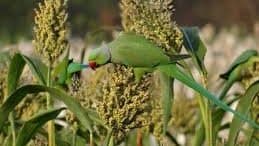
Birds like European starlings, pigeons, crows, house sparrows, blackbirds, and woodpigeons challenge farmers across vineyards, orchards, berry fields, cereals, sunflowers, and maize. These species target fruits, seeds, grains, and shoots, causing feeding damage, trampling, and fouling without killing plants outright.
Starlings form massive flocks that ravage soft fruits like cherries and grapes, leading to rot and downgraded quality. Pigeons devour seeds and seedlings in peas and cereals, while crows pull up emerging shoots in maize fields — making a reliable bird deterrent approach essential across crop types.

European starlings flocking in a French vineyard, pecking at ripe grapes to show typical non-lethal damage.
Non-Lethal Impacts on Yields
These pests reduce harvests through partial consumption and blemishes that slash market value — pecked fruits fetch lower prices for wine or fresh sales. Droppings spread pathogens, inviting fungi and insects, while stressed crops face heightened drought vulnerability.
Annual crop damage losses run into millions for European farmers, amplifying secondary pest risks and quality downgrades in high-value sectors like berries and grains.
Pecked cherries on a branch, illustrating quality loss from bird feeding without plant death
Sustainable Exclusion Strategies
Bird netting stands out as the gold standard: fine-mesh (20–25 mm) covers fully block access in orchards and vineyards, proving reusable, eco-friendly, and compliant with EU Birds Directive rules.
Pair it with habitat tweaks — clear spilled grain, trim roosting hedges, or set up sacrificial feeding zones away from crops. Shift planting schedules to dodge peak bird seasons and install raptor perches or nest boxes to draw natural predators.
Bird netting draped over a sunny Italian vineyard, fully enclosing grape rows for total exclusion.
Visual and Auditory Deterrents
Reflective tapes, flashing balloons, and hawk kites exploit birds' fear of motion and shine, but rotate them weekly to combat habituation. Bio-acoustic devices broadcast species-specific distress calls at random intervals for broader coverage.
These low-cost options integrate seamlessly into Integrated Pest Management (IPM), prioritizing prevention per EU Sustainable Use of Pesticides Directive.
Cutting-Edge Green Technologies
Automated laser deterrent systems like AVIX Autonomic shine silent, solar-powered green beams that birds interpret as predators, achieving up to 96% efficacy in field trials across Europe. Drone patrols mimic hawks, hazing flocks humanely over vast areas.
Both technologies cut energy use, require minimal upkeep, and align with Farm to Fork goals for 50% pesticide cuts by 2030, fostering biodiversity.
Solar-powered laser scanning a Spanish sunflower field, birds scattering mid-flight.
Climate Pressures and IPM Benefits
Warmer climates extend bird seasons and push ranges northward, demanding adaptive IPM farming: layer exclusion, scares, and tech for resilient results. These methods save costs long-term, shield pollinators, and maintain ecosystem balance and natural pest control by sparing native birds.
IPM Pyramid for Success
Build protection from the base up:
Prevention: Netting and habitat mods.
Monitoring: Track flocks via apps or scouts.
Deterrents: Lasers, sounds, visuals.
IPM layers for avian pests, widest at prevention narrowing to tech.
Habitat modification deters avian pests by eliminating attractions and altering sites to make them less appealing, fitting seamlessly into EU-compliant IPM for sustainable farming. These steps reduce crop damage humanely while boosting biodiversity.
Remove Food Attractants
Clear spilled grains, seeds, or fruits immediately from fields, storage areas, and field edges to starve out flocks like starlings and pigeons. Secure trash in lidded bins and enforce no-feeding policies near farms to cut supplemental food sources. Prompt cleanup after harvest prevents loafing sites that draw crows and sparrows.
Eliminate Roosting and Nesting Sites
Trim dense hedges, trees, or shrubs near crops to deny safe perches for woodpigeons and rooks — aim for open, sparse vegetation. Remove or modify nests (where legal under Birds Directive) using hooked poles, repeating every two weeks during breeding season.
Install smaller nest box entrances or oil eggs non-lethally to discourage house sparrows without harm.
Farmer trimming hedgerows near a cereal field to eliminate bird roosting spots.
Modify Water Sources
Repair leaky faucets, clear clogged drains, and grade land to eliminate standing water pools that attract thirsty birds. Channel irrigation away from open fields, favoring drip systems over sprinklers.
This simple tweak curbs pigeon and dove congregations in dry European summers.
Adjust Crop Practices
Plant bird-resistant varieties or delay planting/harvest to mismatch peak bird activity — avoid early-maturing fruits near roosts. Position vulnerable crops (e.g., berries) away from flight paths, loafing areas, or woods; consolidate into larger fields to minimize edge damage.
Use diversionary crops like sacrificial grain plots at field peripheries to lure pests away from mains.
Enhance Biodiversity Buffers
Create 12-meter buffer strips in large fields with seed mixes (e.g., classic or pollinator blends) under CAP eco-schemes — these boost beneficial birds and insects while deterring pests. Sow non-preferred grasses like tall fescue in turf areas to repel grazers.
These EU-supported strips in Slovakia increased bird diversity, indirectly reducing pest pressure.
Start small: Survey your farm for attractants, then layer 2–3 mods for 70–90% deterrence gains. Monitor with trail cams and adjust seasonally.
What green bird deterrent has transformed your farm? Share in the comments below — we're building a community for sustainable growers!
This approach honors EU laws, boosts yields humanely, and protects wildlife for thriving agriculture.