How Does Biodiversity Affect Ecosystem Function?
Aleeza Ashraf
May 10, 2026

How Does Biodiversity Affect Ecosystem Function? Key Experiments and Mechanisms
Biodiversity is more than a measure of how many species exist it actively shapes how ecosystems work. Decades of rigorous scientific research show that higher biodiversity generally leads to greater productivity, stability, and resilience in ecosystems. Understanding these relationships is essential for conservation, restoration, and predicting how ecosystems will respond to climate change and human pressures.
What Is the Biodiversity–Ecosystem Functioning (BEF) Relationship?
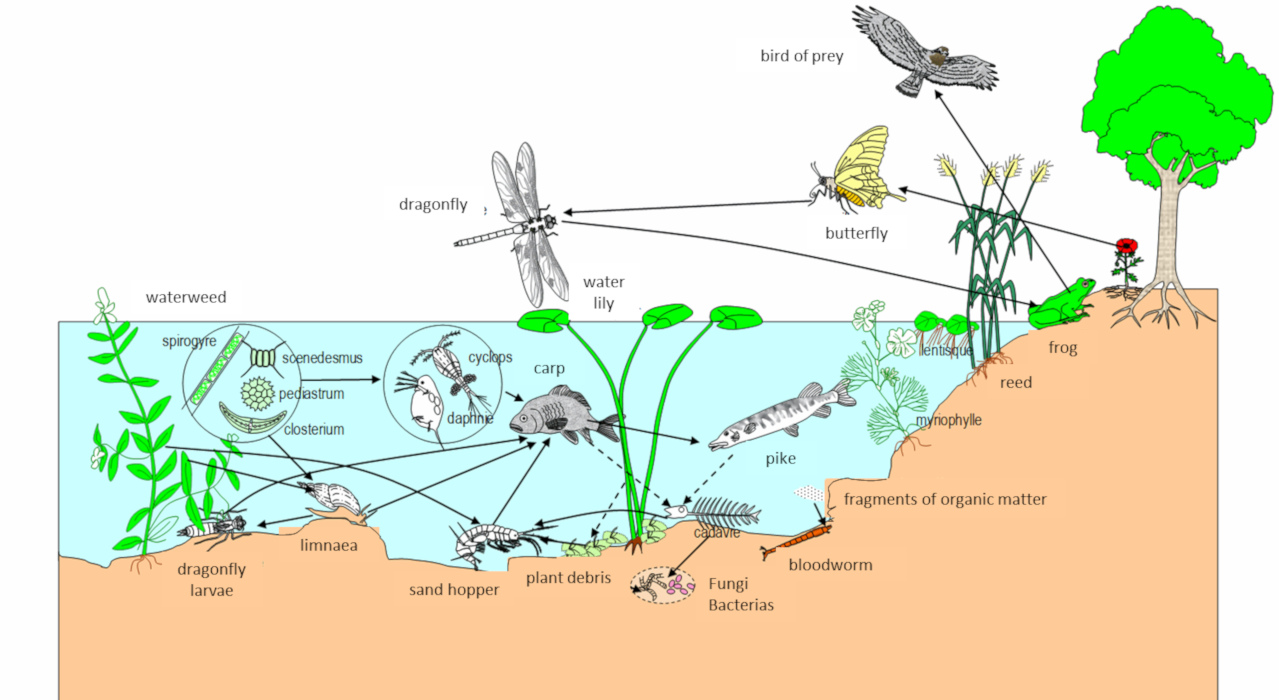
Ecosystems perform many essential functions that support life on Earth. These include biomass production, nutrient cycling, decomposition, carbon sequestration, pollination, and many other ecological processes.
The Biodiversity–Ecosystem Functioning (BEF) relationship examines how biodiversity influences these functions. Biodiversity includes not only the number of species present but also their genetic variation and functional characteristics. A consistent finding from BEF research is that ecosystems with greater biodiversity generally function more effectively and remain more stable over time than ecosystems with fewer species. However, this relationship is not always linear. The greatest improvements often occur when diversity increases from very low to moderate levels, highlighting the importance of maintaining even modest levels of biodiversity.
How Does Biodiversity Improve Ecosystem Functioning?
Scientists have identified several mechanisms that explain why diverse ecosystems tend to perform better.
1. Complementarity Effect
Different species use resources in different ways. As a result, they can coexist while making more complete use of available resources. For example, some plant species have shallow roots that absorb nutrients near the soil surface, while others have deeper roots that access water and nutrients from lower soil layers. Similarly, nitrogen-fixing plants can enrich the soil, benefiting neighboring species. Because resources are used more efficiently, communities with a greater variety of species often produce more biomass and achieve higher overall productivity.
2. Facilitation
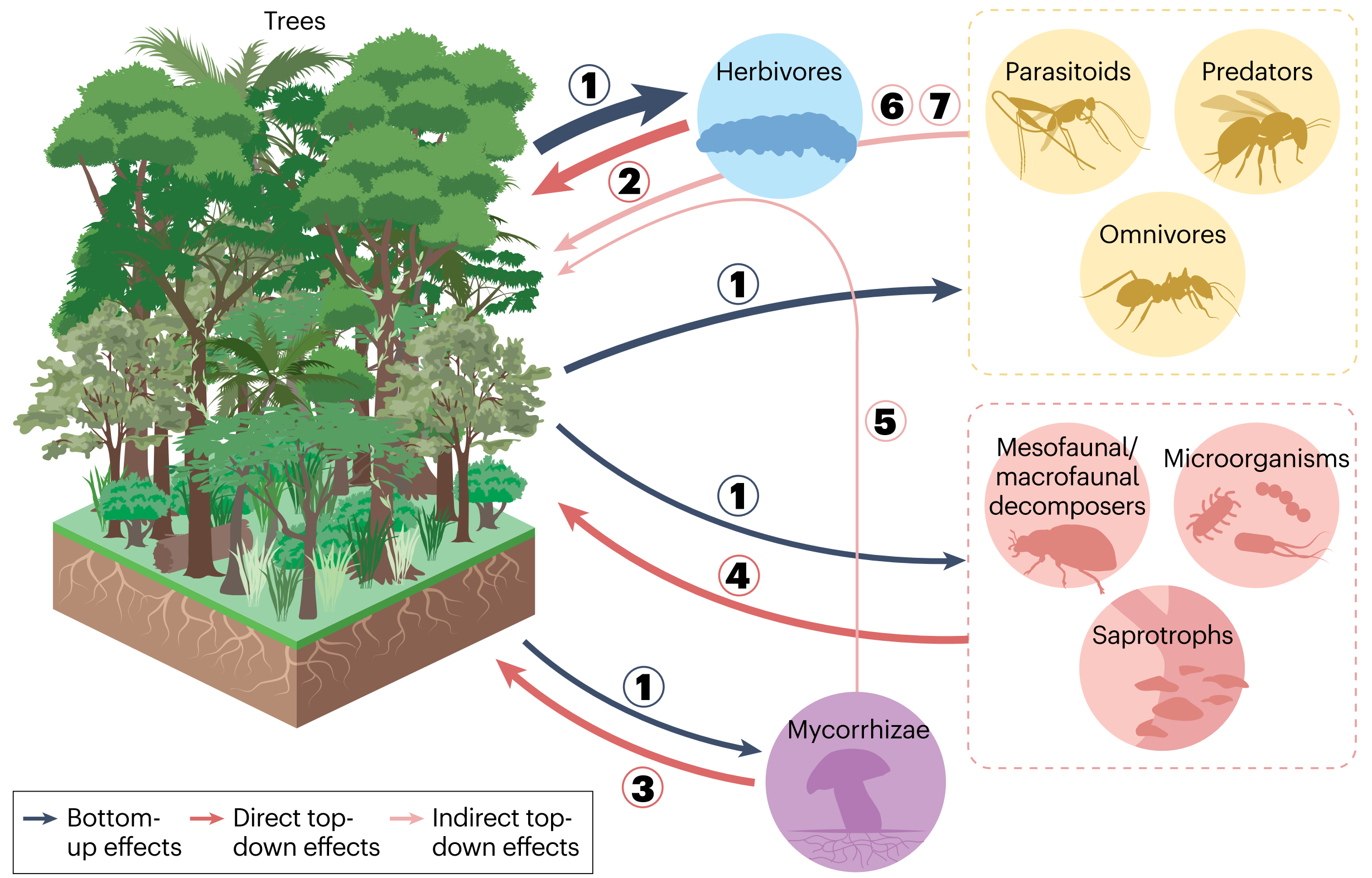
In some cases, one species directly improves the growth or survival of another species. For example, larger plants may provide shade and protection for young seedlings in harsh environments. Likewise, mycorrhizal fungi form beneficial relationships with plant roots, helping plants absorb water and nutrients more effectively.
These positive interactions can enhance the performance of the entire ecosystem.
3. Redundancy and the Insurance Hypothesis
Many ecosystems contain multiple species that perform similar ecological functions. This functional overlap provides a form of biological insurance. If one species declines because of drought, disease, habitat disturbance, or other environmental pressures, another species can often fill a similar role. As a result, important ecosystem processes continue even when individual species are lost. This redundancy increases ecosystem resilience and helps maintain stability under changing environmental conditions.
4. Selection Effect
Some species have exceptionally large impacts on ecosystem functioning. These may be highly productive species, ecosystem engineers, or keystone species that strongly influence community structure. In more diverse communities, there is a greater likelihood that such influential species will be present. Their contribution can significantly increase ecosystem performance.
5. Portfolio Effect
The portfolio effect is similar to the principle of diversification used in financial investments. Different species respond differently to environmental conditions. While some species may perform poorly during a drought, others may thrive. During wet years, the situation may be reversed. Because species do not all respond in the same way, their combined effects help stabilize ecosystem processes over time. This makes diverse ecosystems more reliable and less vulnerable to environmental fluctuations.
Why These Mechanisms Matter
Together, these mechanisms explain why biodiversity is often linked to greater productivity, stability, and resilience. Diverse ecosystems can use resources more efficiently, recover more effectively from disturbances, and continue providing essential ecosystem services even under environmental stress. As global biodiversity continues to decline, understanding these relationships has become increasingly important. Protecting biodiversity is not only about conserving species—it is also about maintaining the ecological processes that support human societies and the natural world.Landmark Experiments That Shaped Our Understanding
Cedar Creek Ecosystem Science Reserve (Minnesota, USA)
One of the longest-running BEF experiments.
Researchers planted grasslands with 1 to 32 plant species.
Key Results: More diverse plots produced more biomass, used nitrogen more efficiently, and were more resistant to drought and invasion. The positive effect strengthened over time.
Jena Experiment (Germany)
Started in 2002, still ongoing.
Over 80 plant species in varying combinations.
Findings: Higher diversity increased productivity, carbon storage, nutrient retention, and resistance to pests. Soil organisms also became more diverse and active.
BIODEPTH Project
Coordinated experiment across 8 European countries.
Confirmed that biodiversity loss reduces ecosystem functioning consistently across different habitats.
Other Important Studies
Microcosm and Mesocosm Experiments: Controlled lab and outdoor setups using bacteria, algae, or invertebrates — consistently show diversity-stability relationships.
Marine and Forest Studies: Coral reefs and diverse forests show higher fish production and carbon storage respectively.
Real-World Evidence Beyond Experiments
Tropical Forests: Higher tree diversity correlates with greater carbon sequestration and resilience to storms.
Grasslands & Prairies: Diverse restorations recover faster after extreme weather.
Agricultural Systems: Polycultures and agroforestry systems often show better pest control and yield stability than monocultures.
Yellowstone National Park: Wolf reintroduction (keystone species) triggered a trophic cascade that improved vegetation, river morphology, and biodiversity.
Biodiversity Loss and Declining Ecosystem Function
The loss of biodiversity affects much more than individual species. It can weaken the ability of entire ecosystems to function effectively and provide essential benefits to people.
When biodiversity declines, ecosystems often become less productive and less efficient. Important processes such as nutrient cycling may slow down, reducing the availability of nutrients needed for plant growth and other ecological functions.
Ecosystems with fewer species are also more vulnerable to disturbances. Events such as droughts, floods, wildfires, and disease outbreaks can have much greater impacts when biodiversity is low. In addition, recovery after these disturbances is often slower because there are fewer species available to support ecosystem regeneration.
A clear example can be seen in the United States, where many native prairies and wetlands have been converted into intensive agricultural land. While these landscapes remain productive for farming, they have lost much of their natural diversity. As a result, they are often less capable of absorbing floodwaters, retaining soil moisture during droughts, and providing other natural forms of environmental protection.
Implications for Conservation and Ecosystem Management
Understanding the link between biodiversity and ecosystem functioning has important implications for conservation and land management.
Restoration Ecology
Successful restoration is not simply about increasing the number of plants or animals in an area. It involves rebuilding diverse ecological communities. Introducing a variety of native species generally produces healthier and more resilient ecosystems than relying on a single species or a small number of species.
Climate Change Adaptation
As climate change increases the frequency of extreme weather events, biodiversity becomes even more important. Diverse ecosystems are often better able to withstand environmental stress and recover from disturbances, making them valuable natural buffers against climate-related impacts.
Sustainable Agriculture
Agricultural systems can also benefit from biodiversity. Practices such as cover cropping, crop rotation, intercropping, and agroforestry increase functional diversity within farms. These approaches can improve soil health, support pollinators, reduce pest problems, and enhance long-term productivity.
Environmental Policy
Conservation policies that protect biodiversity-rich areas and maintain connections between habitats can help sustain ecosystem functioning across larger landscapes. Connected habitats allow species to move, adapt, and maintain ecological processes even as environmental conditions change.
Conclusion
Decades of ecological research have demonstrated a clear and consistent relationship between biodiversity and ecosystem functioning. Diverse ecosystems tend to be more productive, more stable, and more resilient than those with fewer species.
Research from long-term experiments, including the Cedar Creek and Jena studies, has shown that biodiversity enhances ecosystem performance through several mechanisms. Different species use resources in complementary ways, provide ecological backup when conditions change, and contribute unique functions that support ecosystem health.
The evidence is clear: biodiversity is not simply a measure of how many species exist in an ecosystem. It is a fundamental driver of the processes that sustain life. Protecting biodiversity therefore means protecting the productivity, stability, and resilience of the ecosystems upon which both nature and human societies depend.