How Can Daphnia Behavior Reveal Hidden Water Pollution?
Swera Batool
July 5, 2026
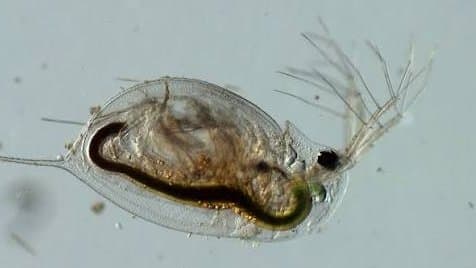
Freshwater pollution is often invisible. A pond, canal or lake may look clean on the surface but still have harmful substances within it which affects the organisms that live under the water. Such unseen impacts can be difficult for scientists to spot. Water chemistry can tell you a lot, but living organisms often show signs of environmental stress long before any visible damage occurs.
Among the multitude of organisms used to monitor freshwater ecosystems, few are as valuable as Daphnia, also known as the water flea. They are tiny crustaceans but are very sensitive to changes in their environment and therefore good indicators of the health of the ecosystem.
More Than Survival
When people think about pollution, mortality is usually what comes to mind. Was the organism living or non-living? But researchers have discovered that environmental stress can impact organisms long before they die.
Pollutants may affect movement, feeding behaviour, reproduction and growth. These subtle responses are known as sublethal effects in that they occur even when the organism remains alive.
For small aquatic organisms like Daphnia, behaviour can be some of the earliest signs that things are going wrong.
Why Movement Matters
Daphnia spend a lot of their life swimming through the water column, looking for food, avoiding predators and interacting with their environment. Healthy ones are constantly on the move, with their specialised antennae giving them the characteristic hopping motion that earned them the name “water flea.”
Changes in swimming activity can be indicative of stress by environmental conditions. Reduced activity, slower swimming speeds or an organism's ability to respond to changes in its environment can be caused by pollutants.
Such changes in behaviour may seem minor but can have serious ecological consequences.
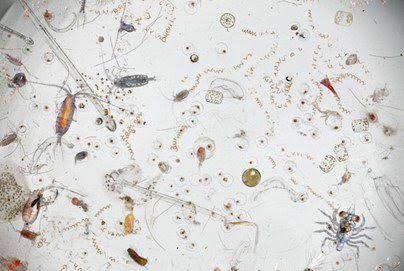
Small Changes, Big Consequences
A Daphnia that can’t swim as quickly may have difficulty finding food efficiently. Reduced activity can also make you more vulnerable to predators. These effects can have an impact on growth, reproduction, and population stability over time.
Impacts on Daphnia behaviour can have far-reaching effects because of their important role in freshwater food webs. Fish larvae, aquatic insects and other organisms that rely on Daphnia may also be impacted.
This shows how pollution can impact the functioning of ecosystems before large-scale mortality.
The Rise of Behavioral Ecotoxicology
Behavioural observation is gaining more importance in the current environmental science. Scientists now study how living things move, eat and interact with their environment to find early signs of stress.
Behavioural responses are often more rapid than traditional indicators such as population decline. Movement change monitoring could enable scientists to identify ecological problems before they become severe.
The approach is a useful tool in ecotoxicology, the study of the effects of chemicals on living organisms and ecosystems.
Nature’s Early Warning System
Freshwater ecosystems are intricate webs that depend on even the smallest organisms to carry out important functions. Small changes in behavior can be a sign of larger environmental problems that otherwise would go undetected.
By observing organisms like Daphnia, scientists can learn a lot about water quality and health of the ecosystem. Sometimes the first indication of environmental stress isn’t from sophisticated instruments, but from tiny creatures responding quietly to the world around them.
With growing pressures on freshwater ecosystems, such knowledge of biological warning signals will be increasingly important. When tiny creatures change how they move, feed, or act, nature may be sounding an early warning that something in the environment is starting to change.