From Backyard to Biosphere: How Local Communities Drive Wildlife Conservation and Ecosystem Resilience
Dr. M. Awais Rasool
April 17, 2026
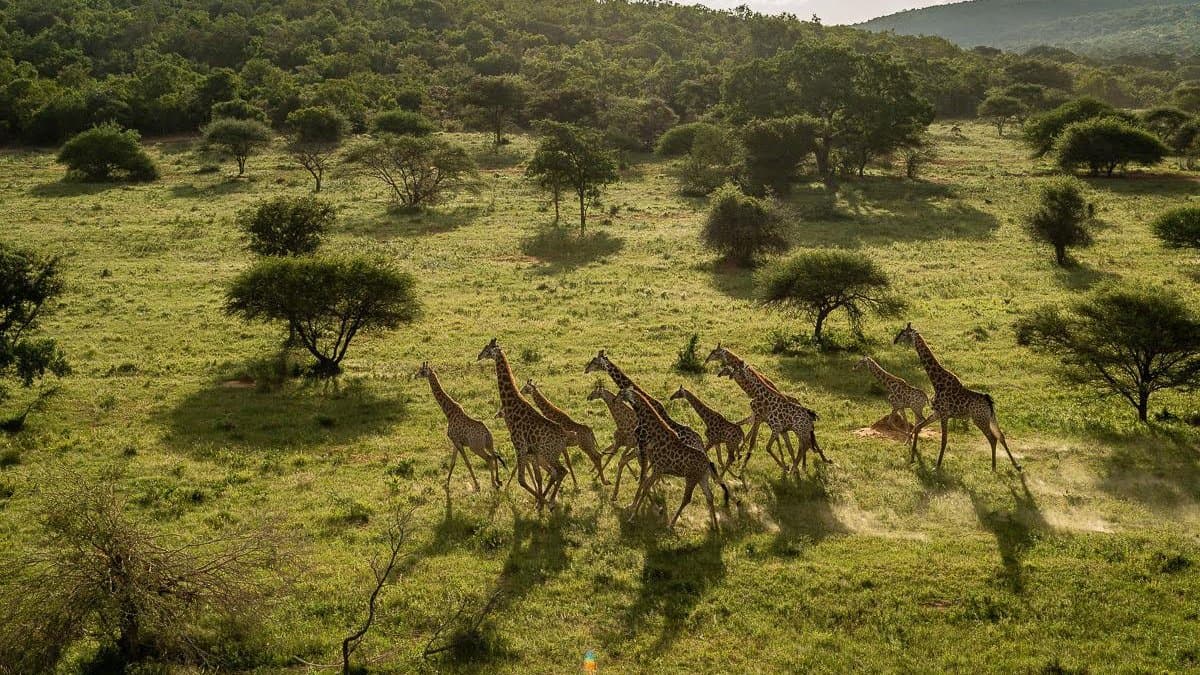
In the face of rapid environmental change, effective conservation is no longer just the responsibility of scientists, governments, or international organizations. True, lasting success in protecting biodiversity and maintaining healthy ecosystems begins at the local level — in backyards, villages, neighborhoods, and community forests. At the Society of Ecosystem Function Education, we believe that when local communities are empowered with knowledge and tools, they become the most powerful force for safeguarding wildlife, restoring habitats, and building resilience against climate change.
While global climate summits and large-scale conservation funding often capture public attention, it is the quiet, determined efforts of local people that frequently deliver the most meaningful and sustainable results. Traditional ecological knowledge, passed down through generations, combined with modern scientific understanding, creates powerful synergies that can address complex environmental challenges more effectively than top-down approaches alone.
Why Local Communities Are Essential to Global Conservation Success
Communities living closest to natural ecosystems experience the direct impacts of environmental degradation every day. They witness changes in wildlife populations, shifts in seasonal patterns, declining water quality, and the gradual loss of familiar landscapes. This intimate connection gives them unique insights that distant policymakers and researchers may miss.
When it comes to biodiversity protection, sustainable land use, wetland preservation, forest management, and combating the effects of climate change on ecosystems, local involvement is not optional — it is fundamental. People who depend on these ecosystems for food, water, medicine, livelihoods, and cultural identity have the strongest motivation to protect them. Their daily observations and practical experience provide critical context for designing conservation strategies that actually work on the ground.
Unfortunately, many global conservation initiatives still follow a primarily top-down model. International agreements, national policies, and large scientific programs often set targets and frameworks with limited meaningful participation from the very communities most affected. This approach can create a disconnect between ambitious goals and local realities, leading to policies that are difficult to implement or that fail to address the specific needs, values, and challenges of the people living in these landscapes.
Bridging the Gap: Addressing Blind Spots in Conservation Planning
One of the persistent challenges in global conservation efforts is the risk of overlooking local consequences. Issues such as deforestation, pollution, habitat fragmentation, and climate-driven ecosystem shifts often hit hardest in under-resourced or marginalized communities. These groups frequently bear the brunt of environmental problems while having the least influence over the decisions that affect their environment.
When conservation strategies ignore local voices, they risk creating solutions that feel imposed rather than owned. This can lead to resistance, poor compliance, or unintended negative impacts on community livelihoods. For example, strictly protected areas established without community consultation may displace traditional resource users or restrict access to culturally significant sites, creating resentment instead of partnership.
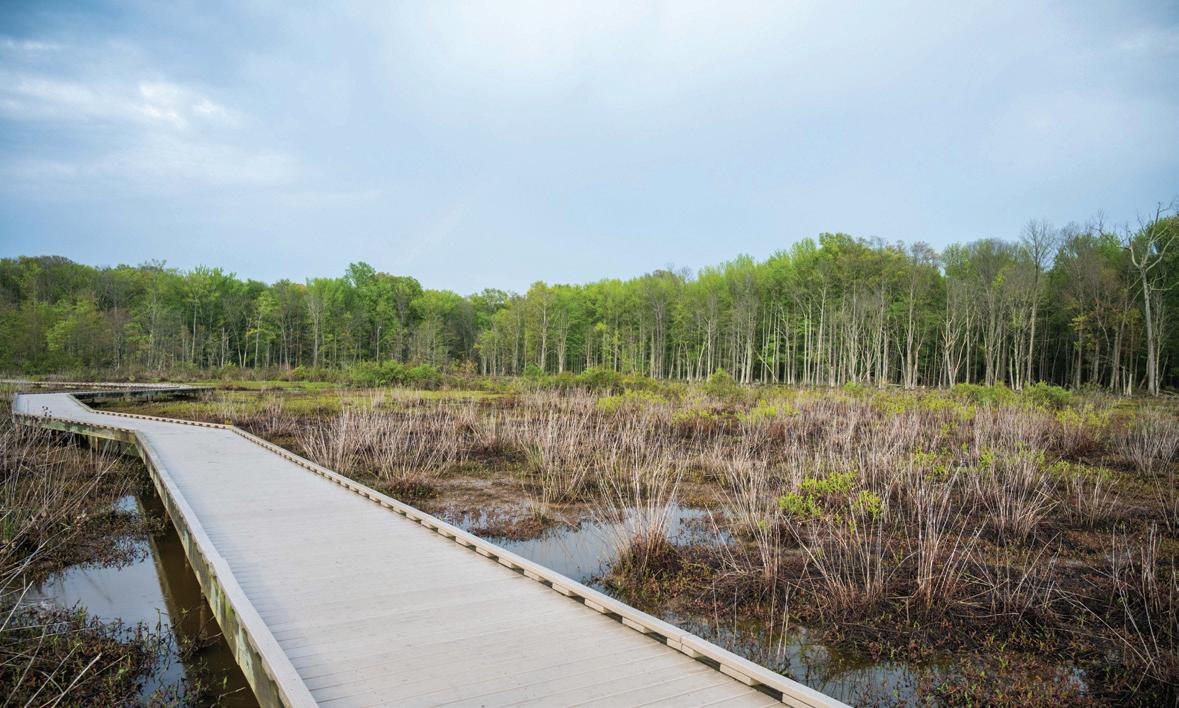
To build more effective and equitable conservation, we must shift toward inclusive frameworks that actively integrate local knowledge and priorities. This means moving beyond token consultation to genuine co-creation of solutions. Communities need access to scientific education, technical resources, legal recognition of their rights, and support for self-determined stewardship of their lands and ecosystems.
Education plays a transformative role here. When individuals and communities understand the fundamental principles of ecosystem function — such as nutrient cycling, pollination services, predator-prey relationships, and carbon sequestration — they can make more informed decisions about resource management. Knowledge of how ecosystems work as interconnected systems empowers people to recognize early warning signs of degradation and take proactive steps to restore balance.
Successful Models of Community-Led Conservation
Around the world, inspiring examples demonstrate the power of community-driven conservation when supported by education and appropriate resources. These models often combine traditional wisdom with contemporary scientific methods, creating adaptive and culturally appropriate approaches.
Co-managed protected areas represent one promising model. In these arrangements, local communities share decision-making authority with government agencies or conservation organizations. This shared governance ensures that management plans respect cultural practices while incorporating scientific monitoring of wildlife populations and ecosystem health.
Village-based forest and watershed management programs have shown remarkable success in many regions. When communities are given secure rights over local forests or water resources, they often develop highly effective rules for sustainable harvesting, fire management, and habitat protection. These initiatives frequently result in improved forest cover, increased wildlife sightings, and more stable livelihoods.
Citizen science programs offer another powerful pathway. By training local residents in simple yet reliable data collection methods — such as wildlife monitoring, bird counts, water quality testing, or vegetation surveys — communities become active contributors to scientific knowledge. This not only generates valuable long-term data but also builds a deeper sense of ownership and connection to conservation goals.
Youth education and capacity building are particularly important for long-term success. When young people in local communities learn about ecosystem function, climate science, biodiversity, and sustainable resource management, they develop the skills and motivation to become the next generation of conservation leaders. Educational programs that respect and integrate cultural values tend to be far more effective at changing behaviors and inspiring sustained action than generic awareness campaigns.
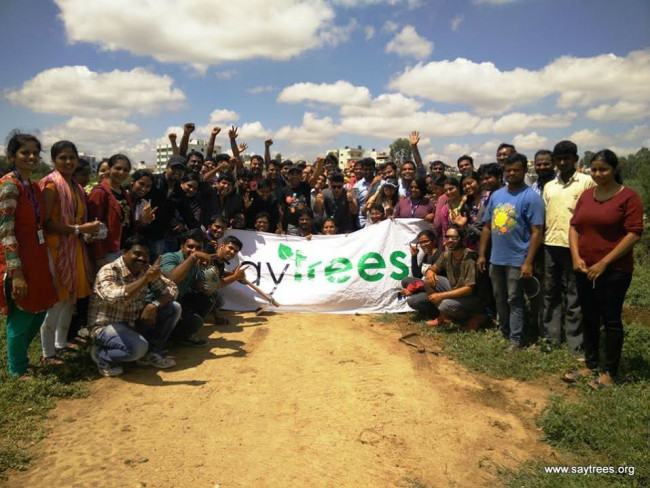
The Role of Ecosystem Function Education in Empowering Communities
At the "Society of Ecosystem Function Education", our mission centers on making complex ecological concepts accessible and actionable for everyone. Understanding how ecosystems function — from the microscopic interactions in soil to the large-scale processes that regulate climate and support biodiversity — is essential for effective local conservation.
When people grasp these principles, they can better appreciate why protecting a single species matters for the entire web of life. They understand the importance of maintaining habitat connectivity, preserving wetlands for flood control and water purification, and protecting pollinators for food security. This deeper ecological literacy transforms passive observers into active stewards.
Our educational approach emphasizes practical knowledge that communities can apply directly in their own contexts. Whether it’s learning how to restore degraded land using native species, implementing agroforestry systems that support both wildlife and agriculture, or developing community-based monitoring programs, education bridges the gap between awareness and meaningful action.
The Path Forward: Building a Future Rooted in Local Action and Global Vision
As the international community strives toward ambitious targets — such as protecting 30% of the planet’s land and seas by 2030 — we must ensure that these goals translate into real benefits for both ecosystems and the people who live within them. Achieving global conservation targets will ultimately depend on strong, well-supported local action.
Communities that are informed, empowered, and actively involved tend to develop more resilient and adaptive conservation strategies. They are better positioned to respond to emerging threats such as extreme weather events, invasive species, or shifting wildlife distributions caused by climate change. Moreover, when conservation aligns with local values and improves livelihoods, it creates lasting motivation and reduces the risk of conflict or policy reversal.
Ignoring local communities not only weakens conservation outcomes but can also perpetuate historical injustices, where marginalized groups have been excluded from decisions affecting their ancestral lands and resources. A more inclusive approach recognizes that environmental justice and ecological sustainability are deeply interconnected.
From bustling urban neighborhoods to remote rural villages, every community has a vital role to play. Urban residents can support conservation through sustainable consumption choices, community gardening, and advocacy for green spaces. Rural communities often serve as frontline guardians of critical habitats and biodiversity hotspots.
Join the Movement: Education for Ecosystem Stewardship
Local action, guided by sound ecological understanding, is one of the most powerful tools we have for addressing the intertwined challenges of biodiversity loss and climate change. By investing in education and community capacity, we can create a worldwide network of informed and motivated stewards who understand both the backyard and the biosphere.
At the "Society of Ecosystem Function Education", we are committed to equipping individuals and communities with the knowledge they need to protect and restore ecosystems in their own regions while contributing to global conservation goals. Our online courses, workshops, and educational resources are designed to make ecosystem science practical, engaging, and relevant to real-world challenges.
Whether you are a student, educator, community leader, farmer, or concerned citizen, you can start making a difference today. Explore our courses and learning programs to deepen your understanding of ecosystem function and discover practical ways to support wildlife conservation and environmental sustainability in your own community.
Together, by strengthening local voices and building ecological literacy from the ground up, we can create a more resilient, just, and biodiverse planet for current and future generations.