Biodiversity supports Ecosystem Services: Provisioning, Regulating, Supporting, and Cultural Benefits
Amna Razzaq
May 9, 2026
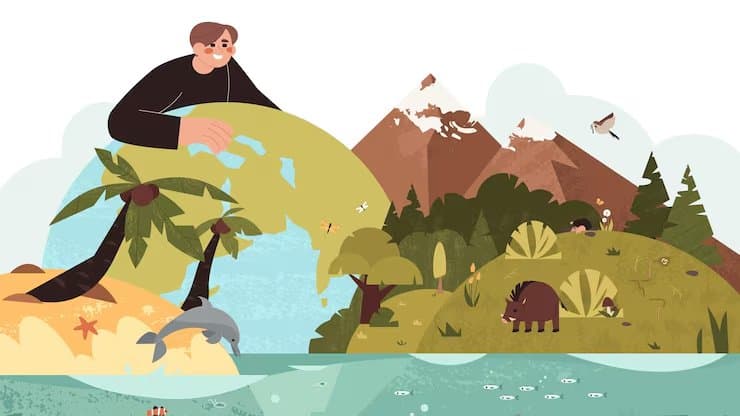
Biodiversity and Ecosystem Services: Provisioning, Regulating, Supporting, and Cultural Benefits
Ecosystems are far more than scenic landscapes they are dynamic, living systems that quietly support human well being every day. The benefits they provide, known as ecosystem services, are made possible by biodiversity, the rich variety of life that drives ecological processes. From the food we eat and the clean water we drink to the air we breathe and the sense of peace we experience in natural environments, biodiversity underpins many aspects of our daily lives.
Ecosystem services are commonly grouped into four categories: provisioning, regulating, supporting, and cultural services. Each of these services depends on healthy, diverse biological communities that work together to maintain ecosystem function and resilience. Understanding how biodiversity contributes to these services is essential for effective conservation, informed policymaking, and sustainable decision-making. By recognizing these connections, we can better appreciate the vital role biodiversity plays in securing both environmental health and human prosperity.
What Are Ecosystem Services?
Ecosystem services are the many benefits that humans receive from healthy, functioning ecosystems. The Millennium Ecosystem Assessment popularized a framework that divides them into four categories. Biodiversity the variety of genes, species, and ecosystems underpins all of them. Higher biodiversity generally leads to more stable, productive, and resilient services.
1. Provisioning Services: The Products We Harvest
Provisioning services are the tangible goods we extract from nature.
Key Examples:
Food: Crops, livestock, wild fish, fruits, nuts, and honey. Diverse pollinators and soil organisms support higher and more stable yields.
Fresh Water: Rivers, lakes, and aquifers filtered by wetlands and forests.
Raw Materials: Timber, fiber, fuelwood, biofuels, and medicinal compounds (many pharmaceuticals originate from plants and microbes).
Genetic Resources: Wild relatives of crops provide genes for disease resistance and climate adaptation.
Role of Biodiversity: Diverse plant communities produce more biomass and recover faster from shocks. Genetic diversity in crops and livestock reduces risk from pests and climate extremes. Monocultures are more vulnerable to failure.
US Example: California’s diverse rangelands support both livestock grazing and native biodiversity, providing forage while preventing habitat loss to development.
2. Regulating Services: Nature’s Balancing Act
These services help keep environmental conditions stable and reduce natural risks that can affect both ecosystems and human communities.
Climate Regulation
Forests, grasslands, and healthy soils act as natural carbon stores. By absorbing and storing carbon dioxide, they help slow climate change. Ecosystems with greater biodiversity often capture more carbon and are better able to withstand droughts and other environmental stresses.
Water Purification and Regulation
Wetlands, riverside vegetation, and other natural habitats help filter pollutants from water. They also regulate water flow, reducing the risk of floods and improving water quality for people and wildlife.
Pollination
Many plants depend on animals for pollination. Bees, butterflies, birds, and bats play a crucial role in this process. Together, they help pollinate around 75% of flowering plants and support the production of many important crops.
Pest and Disease Control
A diverse community of predators, such as birds, insects, and spiders, naturally controls pest populations. This reduces crop damage and helps maintain healthier ecosystems without relying heavily on chemical pesticides.
Erosion Control and Soil Protection
Plant roots hold soil in place and protect it from being washed or blown away. Ecosystems with a variety of plant species provide stronger soil stabilization, helping to prevent erosion and maintain soil fertility.

The Role of Biodiversity in Regulating Services
Biodiversity strengthens regulating services in several ways. Different species often perform similar ecological functions under different conditions, a concept known as complementarity. For example, some pollinators are active during the day, while others work at dawn or dusk. This ensures that important ecological processes continue across different times and environments.
Biodiversity also provides redundancy, meaning that if one species declines, other species can help maintain the same function. This natural backup system makes ecosystems more stable and resilient to environmental change.
The importance of biodiversity is particularly evident in agriculture. Declines in pollinator populations have resulted in significant economic losses for farmers in the United States. In contrast, landscapes with diverse habitats tend to support healthier pollinator communities, leading to more reliable pollination and stable crop production.
3. Supporting Services: The Foundation of Ecosystem Function
Supporting services are the basic ecological processes that make all other ecosystem services possible. Although they are often less visible than food production or climate regulation, they form the foundation upon which ecosystems depend. These processes usually occur over long periods and sustain the health and productivity of natural systems.
Nutrient Cycling
Nutrients such as nitrogen, phosphorus, and carbon constantly move through ecosystems. Microorganisms, fungi, earthworms, and other invertebrates break down dead organic matter and recycle these nutrients back into the environment. This process ensures that essential nutrients remain available for plant growth and ecosystem productivity.
Soil Formation
Healthy soils are created and maintained through the activities of countless organisms living beneath the surface. Soil microbes, fungi, insects, and earthworms contribute to the breakdown of organic material and the development of fertile soil. Without this biodiversity, soil quality and agricultural productivity would decline.
Primary Production
Plants, algae, and other photosynthetic organisms convert sunlight into energy through photosynthesis. This process produces the organic matter that supports nearly all life on Earth. As the primary producers in ecosystems, they form the base of food webs and provide energy for higher trophic levels.
Habitat Provision
Ecosystems provide shelter, breeding sites, and living spaces for countless species. Forests, wetlands, grasslands, rivers, and other habitats support biodiversity by meeting the ecological needs of different organisms. In this way, ecosystems help maintain the very biodiversity that allows them to function effectively.Role of Biodiversity: These services rely heavily on microscopic and below-ground diversity. Healthy soil food webs with diverse microbes and invertebrates cycle nutrients more efficiently.
Without strong supporting services, the other categories weaken over time.
4. Cultural Services: Non-Material Benefits
Cultural services enrich human life beyond material needs.
Key Examples:
Recreation and Tourism: Hiking, fishing, wildlife viewing, and ecotourism.
Aesthetic and Inspirational Value: Beauty of landscapes that inspires art, music, and literature.
Spiritual and Religious Significance: Sacred sites and connections to nature in many cultures.
Educational and Scientific Value: Opportunities for learning and discovery.
Sense of Place and Mental Health: Nature’s role in reducing stress and improving well-being.
Role of Biodiversity: More diverse ecosystems often provide richer experiences — birdwatching in species-rich areas, for example, or the cultural heritage tied to unique native species.
US Example: National parks like Yellowstone and the Great Smoky Mountains generate billions in tourism revenue while offering profound cultural and psychological benefits.
The Economic Value of Ecosystem Services
The benefits we receive from nature are often taken for granted, but they have enormous economic value. Ecosystem services support agriculture, industry, public health, and countless other aspects of daily life.
Scientists estimate that ecosystem services are worth approximately $125–150 trillion globally each year. This value often exceeds the world's annual GDP. In the United States alone, services such as pollination, water purification, and carbon storage contribute trillions of dollars to the economy.
Biodiversity is the foundation of this natural wealth. When species are lost, the ability of ecosystems to provide these services declines. In other words, biodiversity loss reduces the value of our natural capital.
As a result, businesses and governments are increasingly recognizing the importance of healthy ecosystems. Industries such as agriculture, forestry, fisheries, and tourism depend directly on biodiversity and ecosystem functioning.
How Biodiversity Loss Affects Ecosystem Services
When biodiversity declines, ecosystem services become less efficient and less reliable. The consequences can be felt across both natural and human systems.
Reduced Pollination
Many crops depend on insects, birds, and other animals for pollination. Declining pollinator populations can lead to lower crop yields and reduced food production.
More Pests and Diseases
Healthy ecosystems contain a wide variety of species that help regulate pest populations. When biodiversity is lost, food webs become simplified, increasing the risk of pest outbreaks and disease spread.
Poorer Water Quality
Wetlands and other natural habitats filter pollutants and regulate water flow. Their degradation can result in contaminated water supplies and greater flood damage.
Accelerated Climate Change
Forests, grasslands, and soils store large amounts of carbon. Biodiversity loss can reduce this storage capacity, allowing more carbon dioxide to remain in the atmosphere and contribute to climate change.
What Can We Do?
Protecting biodiversity does not always require large-scale actions. Small changes can also make a meaningful difference.
Plant native species and create pollinator-friendly gardens.
Support protected areas and conservation initiatives.
Encourage sustainable agricultural practices.
Choose environmentally certified products, such as FSC-certified timber or shade-grown coffee.
Reduce consumption patterns that contribute to habitat destruction.
Promote awareness about the importance of biodiversity in everyday life.
Conclusion
Biodiversity is much more than a collection of species. It is the living foundation that supports all ecosystem services. The food we eat, the water we drink, the climate we depend on, and many cultural and recreational benefits all rely on healthy, diverse ecosystems. Protecting biodiversity is therefore not only an environmental responsibility. It is also an investment in food security, climate resilience, public health, and human well-being. By understanding the links between biodiversity and ecosystem services, we can make more informed decisions that benefit both people and the planet.