Biodiversity Loss in the United States: Statistics, Causes, and Impacts
Awais Rasool
May 12, 2026
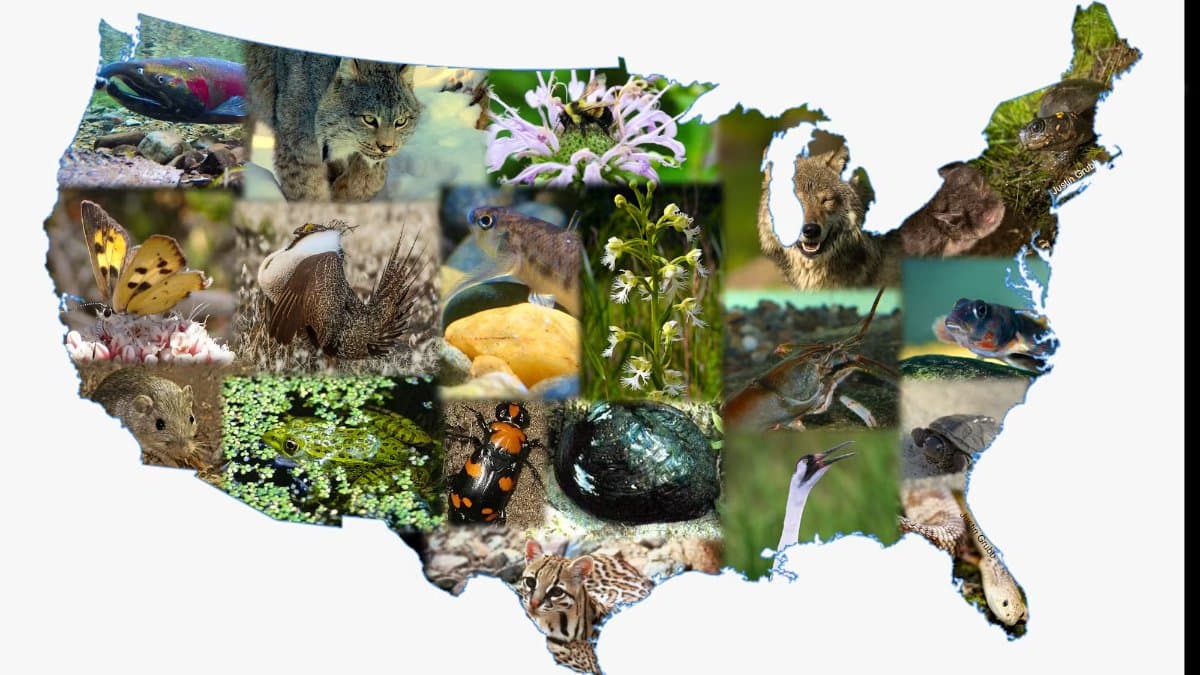
Biodiversity Loss in the United States: Statistics, Causes, and Impacts
Biodiversity in the United States is facing increasing pressure. From the wetlands of Florida and the forests of the Pacific Northwest to the grasslands of the Midwest, many of the country's most valuable ecosystems are experiencing significant declines in species diversity. Scientists warn that without effective conservation measures, many plants and animals could disappear from these landscapes in the coming decades.
This loss is not only a concern for wildlife. Biodiversity supports ecosystem services such as pollination, water purification, climate regulation, and food production. As species disappear, the ecosystems that support human well-being become less resilient and less capable of providing these essential benefits.
Current State of Biodiversity in the United States
The United States is recognized as one of the world's most biologically diverse nations. Its wide range of climates and habitats supports thousands of plant and animal species, from Arctic ecosystems in Alaska to coral reefs in the Pacific and Caribbean.
Despite this rich natural heritage, biodiversity is declining at an alarming rate across many regions and ecosystems.
Key Statistics (2025–2026)
The scale of biodiversity loss in the United States is becoming increasingly clear.
The Endangered Species Act (ESA) currently lists approximately 1,682 species as threatened or endangered.
Scientific assessments indicate that about one-third of U.S. plant species and nearly 40% of animal species face an elevated risk of extinction.
More than 2,800 species have been identified as imperiled, with habitat destruction and climate change recognized as the leading threats.
North America has lost nearly 3 billion birds since 1970, representing roughly one-quarter of its bird population.
Wildlife populations across North America have declined substantially over the past five decades, reflecting broader global biodiversity trends.
Freshwater species, pollinators, amphibians, and other sensitive groups are among those experiencing the most severe declines.
Many ecosystems are already showing signs of ecological stress. Rivers and wetlands are becoming less productive, pollinator populations are shrinking, and some habitats are losing the species that once played key ecological roles. These changes highlight the growing challenge of conserving biodiversity in a rapidly changing world.
The evidence suggests that biodiversity loss is no longer a future concern—it is a present-day reality affecting ecosystems across the United States. Understanding the extent of this decline is the first step toward developing effective conservation strategies and ensuring that future generations continue to benefit from healthy, functioning ecosystems.Hawaii stands out as a biodiversity crisis hotspot within the U.S., with numerous endemic birds, snails, and plants already lost or on the brink. Many species have been delisted from the ESA due to extinction in recent years.
Major Causes of Biodiversity Loss in the U.S.
Five primary drivers, as identified by IPBES and U.S.-specific studies, explain most biodiversity declines. These often interact and amplify one another.
1. Land and Sea Use Change (Habitat Loss, Fragmentation, and Degradation)
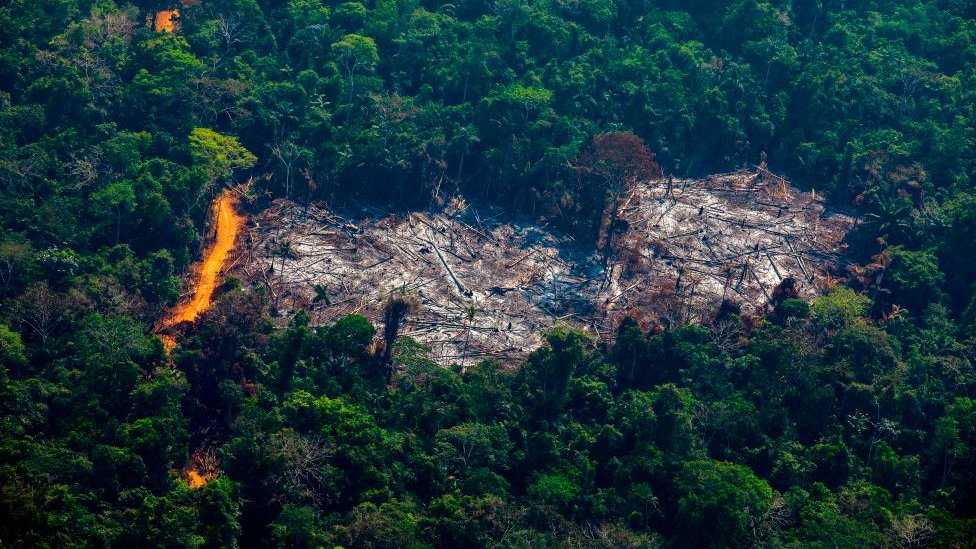
This remains the top historical driver, affecting ~82% of imperiled U.S. species.
Agriculture and Development: Conversion of native prairies, wetlands, and forests to farmland and urban areas. The U.S. has lost over 90% of its tallgrass prairie and significant portions of wetlands.
Infrastructure: Roads, dams, pipelines, and sprawl fragment habitats, isolating populations and reducing genetic diversity.
Logging and Resource Extraction: Especially impactful in old-growth forests and coastal zones.
Degradation: Pollution, altered fire regimes, and soil compaction further reduce habitat quality.
Consequence: Even when some habitat remains, fragmentation prevents species from migrating, breeding, or accessing resources.
2. Climate Change
Climate change has emerged as one of the most serious threats to biodiversity in the United States. Recent studies suggest that it affects the majority of species protected under the Endangered Species Act (ESA), making it one of the leading drivers of species decline.
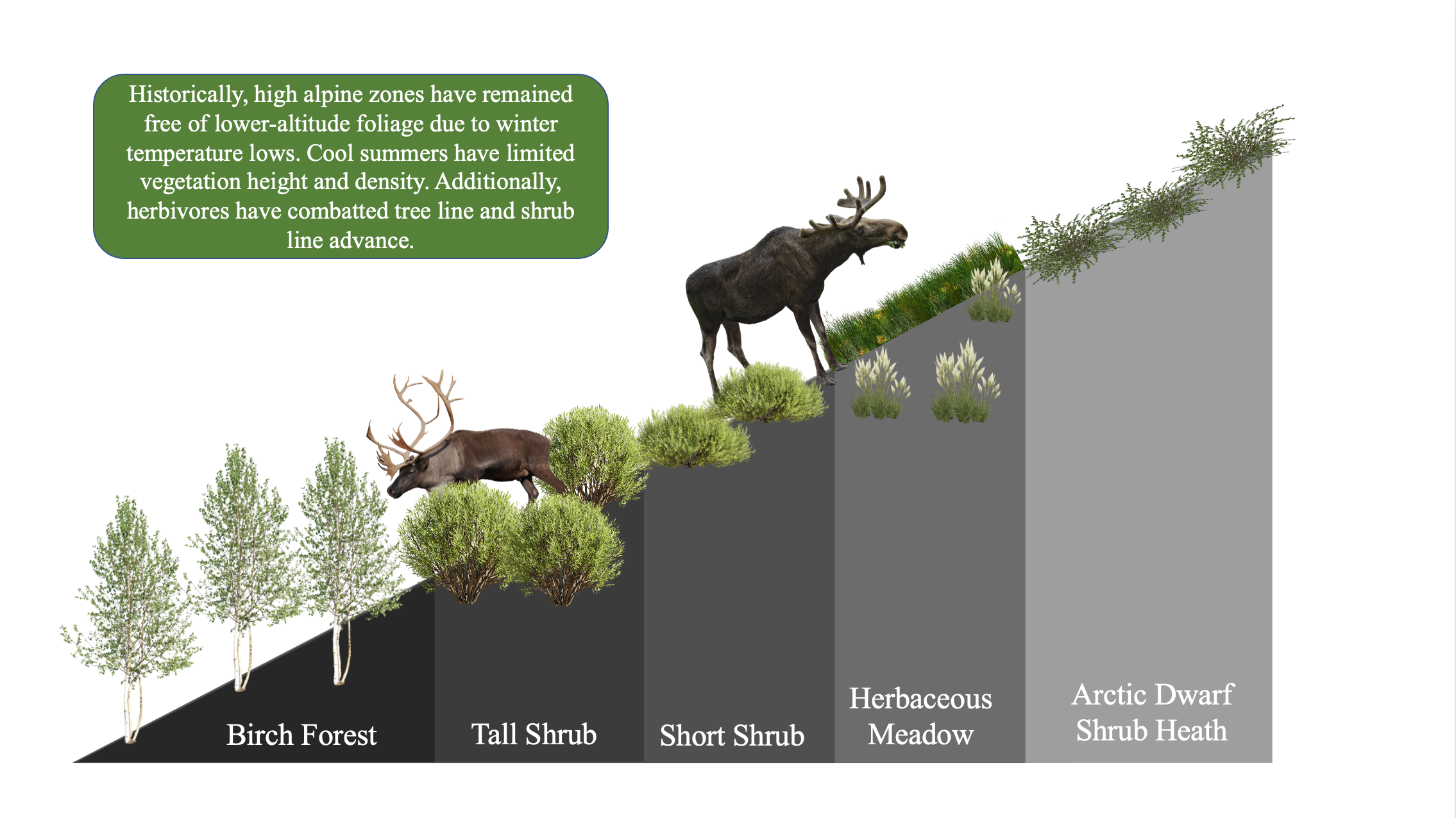
As global temperatures continue to rise, many species are being forced to move to cooler regions. Some shift toward higher latitudes, while others move to higher elevations. However, many plants and animals cannot adapt or migrate quickly enough to keep pace with these environmental changes.
Climate change is also increasing the frequency and intensity of extreme weather events. Prolonged droughts, severe wildfires, floods, and stronger hurricanes can destroy habitats, reduce food availability, and directly cause wildlife mortality.
Marine ecosystems face additional challenges. Rising ocean temperatures and increasing ocean acidification are placing tremendous stress on coral reefs and other marine habitats. Coral bleaching events have become more common, threatening the rich biodiversity that depends on these ecosystems.
Another important consequence is the disruption of natural seasonal cycles, known as phenological mismatches. Many plants are flowering earlier due to warmer temperatures, while pollinators and migratory birds may not adjust their timing at the same rate. This can disrupt critical ecological interactions such as pollination and food availability.
Examples from the United States
The impacts of climate change can already be observed across the country.
Alpine species in the Rocky Mountains and the Sierra Nevada are losing suitable habitat as warming temperatures push vegetation zones and treelines to higher elevations.
Coral reefs in regions such as the Florida Keys are experiencing repeated bleaching events due to rising sea temperatures.
Changes in rainfall patterns and stream flows are affecting freshwater ecosystems, creating challenges for fish and other aquatic species that depend on stable water conditions.
These examples illustrate how climate change is reshaping ecosystems across the United States. As environmental conditions continue to change, the ability of many species to survive will depend on their capacity to adapt, migrate, or find refuge in suitable habitats.
3. Invasive Species
Invasive species are another major threat to biodiversity in the United States. Scientists estimate that they affect more than half of the country's imperiled species.
Unlike native species, invasive organisms often arrive from other regions and spread rapidly because they have few natural predators or competitors. Once established, they can outcompete native species for food and habitat, prey directly on wildlife, or introduce diseases that native populations are not equipped to resist.
Several invasive species have become well-known examples of this problem. Burmese pythons have dramatically altered wildlife populations in the Florida Everglades. Zebra mussels have disrupted freshwater ecosystems throughout the Great Lakes. The emerald ash borer has killed millions of ash trees across North America, while cheatgrass has increased wildfire risks in many western states. Feral pigs continue to damage habitats, crops, and native wildlife populations in numerous regions.
The impacts of invasive species extend beyond ecology. They also create significant economic costs, requiring billions of dollars each year for monitoring, management, and control efforts.
Invasive species often thrive in disturbed environments, and their spread is further accelerated by global trade, transportation networks, and changing climatic conditions.
4. Pollution
Pollution remains a widespread threat to biodiversity and is estimated to affect roughly one-third of imperiled species in the United States.
One of the most significant forms of pollution is nutrient contamination from agriculture. Excess fertilizers containing nitrogen and phosphorus enter rivers, lakes, and coastal waters, triggering harmful algal blooms. These blooms can deplete oxygen levels and create "dead zones" where aquatic life struggles to survive. The Gulf of Mexico provides one of the most prominent examples of this phenomenon.
Chemical pollutants also pose serious risks. Pesticides and industrial contaminants can harm pollinators, amphibians, fish, and many other organisms. Long-term exposure may reduce reproduction, weaken immune systems, and increase mortality.
Plastic pollution has become an additional challenge for both marine and freshwater ecosystems. Animals may ingest plastic debris or become entangled in waste, often with fatal consequences.
Less visible forms of pollution also affect wildlife. Artificial lighting can interfere with migration, feeding, and reproduction, while excessive noise from transportation and urban development can disrupt communication and behavior in many species.
5. Overexploitation
Overexploitation occurs when species are harvested or used faster than they can naturally recover. Throughout history, this has been a major driver of biodiversity loss.
Some of the most famous examples include the near-extinction of the American bison, the extinction of the passenger pigeon, and severe declines in numerous whale and fish populations due to excessive hunting and harvesting.
Although regulations have helped many species recover, overexploitation remains a concern. Unsustainable fishing practices continue to affect marine ecosystems, while illegal wildlife trade threatens vulnerable species worldwide. The collection of rare plants and animals for commercial purposes can also place additional pressure on already declining populations.
Effective management and sustainable resource use are essential for ensuring that wildlife populations remain healthy and resilient over the long term.
U.S. Ecosystems and Regions Most at Risk
Biodiversity loss is not evenly distributed across the United States. Certain regions contain exceptionally high levels of biodiversity and face particularly intense environmental pressures.
California Floristic Province
California is recognized as one of the world's major biodiversity hotspots. However, urban expansion, prolonged droughts, wildfires, and habitat fragmentation continue to threaten many native species.
Florida Everglades and Wetlands
The Everglades support a remarkable diversity of wildlife but face challenges from invasive species, altered water flow patterns, habitat degradation, and rising sea levels.
Appalachian Mountains
This region contains some of the highest salamander and plant diversity in North America. Climate change, mining activities, and habitat fragmentation are placing increasing pressure on these unique ecosystems.
Great Plains Prairies
Once covering vast portions of central North America, native prairies have been extensively converted to agricultural land. This transformation has resulted in major losses of grassland species and ecological functions.
Pacific Northwest Old-Growth Forests
Ancient forests in the Pacific Northwest provide habitat for numerous specialized species. Logging, habitat fragmentation, and climate-related stresses continue to threaten these ecosystems.
Hawaiian Islands
Hawaii is home to an extraordinary number of endemic species found nowhere else on Earth. However, invasive species, habitat loss, and climate change make these ecosystems among the most vulnerable in the United States.
Gulf of Mexico and Coral Reef Systems
Marine habitats in this region are increasingly affected by warming waters, ocean acidification, pollution, and coastal development.
Great Lakes and Freshwater Ecosystems
The Great Lakes and surrounding freshwater habitats face ongoing pressures from invasive species, pollution, and changing environmental conditions.
Many of these regions overlap with internationally recognized biodiversity hotspots, areas that contain exceptional biological diversity but have already lost much of their original natural vegetation.
Ecological and Functional Impacts of Biodiversity Loss
The consequences of biodiversity loss extend far beyond the disappearance of individual species. They affect the way ecosystems function and the benefits they provide to society.
As biodiversity declines, ecosystems often become less productive and less efficient at cycling nutrients. This can reduce soil fertility, limit plant growth, and weaken overall ecosystem performance.
Species-rich ecosystems are generally more resilient to disturbances such as droughts, wildfires, storms, and pest outbreaks. When biodiversity is lost, this resilience declines, making ecosystems more vulnerable to environmental change.
Biodiversity also plays a critical role in carbon storage. Forests, grasslands, wetlands, and other natural habitats absorb and store large amounts of carbon. The degradation of these ecosystems reduces their ability to help regulate the climate.
Food webs can also become destabilized. The loss of pollinators affects plant reproduction and food production, while the disappearance of predators can lead to unchecked increases in herbivore populations. These imbalances can spread throughout the ecosystem.
A classic example comes from Yellowstone National Park, where the reintroduction of wolves helped restore ecological balance by influencing prey populations and vegetation patterns. The opposite can occur when key species are lost, triggering widespread ecological disruptions known as trophic cascades.
Over time, ecosystems that lose too much biodiversity may become simplified and less stable. In extreme cases, they can undergo major ecological shifts that are difficult or impossible to reverse, reducing their capacity to support both wildlife and human communities.Economic Impacts
Ecosystem services in the U.S. are valued in the trillions annually. Losses translate to real costs:
Agriculture: Pollinator declines cost billions in reduced yields.
Fisheries: Collapsed stocks and invasive species impacts.
Tourism and Recreation: Degraded parks and wildlife viewing reduce revenue.
Insurance and Disaster Costs: Increased flooding and wildfires due to lost wetlands and forests.
Health Costs: Emerging diseases and lost medicinal resources.
Globally, biodiversity loss poses systemic risks to economies; the U.S. is not immune.
Impacts on Human Health and Well-Being
Zoonotic Diseases: Habitat loss brings humans and wildlife closer, raising pandemic risks.
Food Security: Reduced crop diversity and pollination threaten nutrition.
Water Quality: Loss of wetlands and riparian zones increases purification costs and health risks.
Mental Health: Reduced access to diverse nature lowers well-being.
Medicines: Many drugs originate from biodiversity; future discoveries are at risk.
Success Stories and Reasons for Hope
The ESA has prevented extinction of ~99% of listed species. Bald eagles, American alligators, and certain whales have recovered. Restoration projects (prairie reconstructions, wetland mitigation) show positive results. Targeted efforts against invasives and protected areas continue to work when adequately funded and enforced.
What Can Be Done? Solutions and Actions
Policy Level:
Strengthen and adequately fund the ESA.
Expand protected areas toward 30x30 goals.
Integrate biodiversity into climate policy and land-use planning.
Support sustainable agriculture and infrastructure.
Land Management:
Large-scale habitat restoration and connectivity (wildlife corridors).
Invasive species control programs.
Regenerative agriculture and agroforestry.
Individual and Community Actions:
Plant native species and create pollinator gardens.
Support conservation organizations and citizen science (e.g., eBird, iNaturalist).
Reduce consumption of products driving habitat loss.
Advocate for stronger environmental policies.
Educate others and visit/ support protected areas responsibly.
Conclusion
Biodiversity loss in the United States is not a distant environmental issue — it is a present-day crisis affecting our economy, health, security, and natural heritage. With one-third to nearly half of species and ecosystems at risk, driven primarily by habitat change and climate impacts, the window for effective action is narrowing but still open.
The good news is that conservation works when supported by science, policy, and public will. By investing in protection, restoration, and sustainable practices today, we can secure functioning ecosystems for future generations.
America’s biodiversity is a national treasure and a global responsibility. The choices we make in the coming years will determine whether we pass on a richer or poorer natural legacy.