A Garden Is More Than Green: How Small Spaces Can Become Bird Habitat
Swera Batool
August 10, 2026
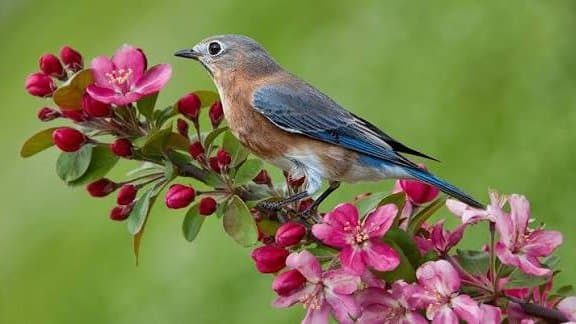
When walking thru a city in the early morning it is often easier to hear birds than to see them. A sparrow calls from a rooftop, a myna moves thru a garden, a pigeon looks under a tree. Birds still find a way to live alongside people, even in heavily built-up areas.
But surviving in a city is not the same thing as having a suitable habitat. A green space is only useful for a bird if it offers the resources that help to complete its life cycle. Food may bring a bird into an area but water, shelter, nesting opportunities and protection from disturbance determine whether it can actually stay and reproduce. That’s why even a tiny garden, balcony or patch of vegetation can be more important than it seems.
A Bird-Friendly Space Is an Ecosystem in Miniature
It’s widely assumed that simply hanging a feeder will attract birds. Food matters, of course, but birds need much more than just something to eat. They need areas to rest, protection from predators, suitable nesting sites and access to water. Natural vegetation can offer several of these resources at one and the same time.
A shrub can provide food in the form of insects, dense branches for cover and a possible nesting site. A mature tree can offer a cavity, fruit and seeds and shelter. Dead leaves are good for insects, which in turn are food for birds. A garden can be imagined, not as decoration, but as a miniature ecosystem. The more natural needs a space can fulfilll for a bird, the more valuable that space is.
The Food Birds Find for Themselves

Bird feeders are great, but they’re just part of the whole picture. Many birds, especially in the breeding season, depend very heavily on insects and other small invertebrates. Adult birds feed on seeds or fruits, while developing chicks need food rich in protein, like caterpillars, larvae and other insects. Vegetation is therefore very important. Plants have more to offer than berries and seeds. They support whole insect communities, and those support birds. Therefore, a garden with a variety of plants can provide a much more diverse food supply than a garden dominated by a perfectly maintained lawn.
That’s one reason why reducing unnecessary pesticide use can make a difference. While removing insects in a garden might seem to make it a cleaner space for people, it can also remove a vital food source for wildlife. Sometimes making a garden more wildlife-friendly means letting a bit more nature remain.
Water Can Change Everything
Food may attract attention, but water can make a space much more useful to wildlife. Birds need water for drinking and bathing, and a shallow, clean water source can serve species that may never visit a feeder. The important part is not creating a large artificial feature. Even a small, shallow container can provide valuable access to water when it is maintained properly.
Fresh water is especially important in environments where natural sources are limited by concrete, roads and buildings. A small birdbath may look insignificant from our perspective. For a bird moving through a dry urban landscape, however, it can become an important stop.

Where Can a Bird Hide?
We like open spaces but they can also leave small birds exposed. Predators, human activity and severe weather are risks. Dense shrubs, trees and layers of vegetation provide birds with a place of retreat when they feel threatened. This is especially important around feeding sites. Birds are more likely to use vegetation as a food source if it is close by and can provide an escape route. However, if the vegetation is placed in such a way that predators can hide right next to a feeder, this can provide another danger.
So good habitat is more than simply having more plants. It's about creating a safe framework. Different heights and layers of vegetation (ground cover, shrubs and trees) can offer different resources to different species.
The Nest Is Where Habitat Becomes Home
A bird might come to a garden for food and water but it is nesting that makes a temporary stop a breeding habitat. Different species have very different needs for their nests. Some use tree cavities, some build nests in dense shrubs, some take advantage of structures around buildings.
So, for example, if you remove all the old branches, cut back all the dense shrubbery or replace natural vegetation with hard surfaces, you can gradually reduce the number of places available for birds to breed.
A habitat doesn’t have to be perfectly neat and tidy to be valuable. Dead wood, fallen leaves, natural vegetation and even an undisturbed corner can offer resources that are easily overlooked.
The Problem With Making Everything Perfect
Modern garden design tends to be very tidy. The grass is cut, the leaves cleared away, the insects kept down, and the vegetation kept well within bounds. But wildlife doesn't always need a perfect garden. “Birds benefit from the places where natural processes are allowed to continue.” Plants are eaten by insects . The seeds have to be available. Fallen leaves create habitat for small organisms. Dense vegetation offers cover.
Thus an unkempt corner may be of more ecological value than an immaculate lawn. The idea is not to abandon gardens. It is to leave room for nature within them.
From Decoration to Habitat
Urban biodiversity is more than simply big parks and protected areas. Small spaces can connect to a much larger network of habitat. A garden with thick shrubs and a tree along the roadside or a small water source or a balcony with native plants can all be resources for wildlife. And when there are many of these spaces around a city, they can add up to a more connected environment for birds. This is especially important with the continued growth of urban areas.
We often ask where the wildlife has gone, when perhaps the more useful question is: What have we left for it?
Give Birds a Reason to Stay
You don’t need fancy equipment or a big garden to create bird-friendly spaces. The first step is to understand what wildlife really needs. Leave a few plants. “Provide safe water. Apply less pesticides than needed. Retain mature trees. Leave safe spaces to roost. Let parts of a garden go wild. These actions do not seem dramatic in themselves.
But combined, they can help turn a mundane city space into a place where wildlife can eat, rest, shelter and raise the next generation. A bird-friendly garden is more than just a place for birds to visit. Somewhere they have a place to stay at.”